Azure Cloud Fundamentals
Introduction to Cloud Computing
What Is the Cloud?
Cloud computing is the delivery of computing services over the internet. These services include servers, storage, databases, networking, software, and more. Instead of owning and maintaining your own computing infrastructure, you can access these services from a cloud provider like Microsoft Azure, Amazon Web Services (AWS), or Google Cloud.
Think of it like electricity. You don't build your own power plant to get electricity at home. You just plug into the grid and pay for what you use. The cloud is a similar idea, but for computing power.
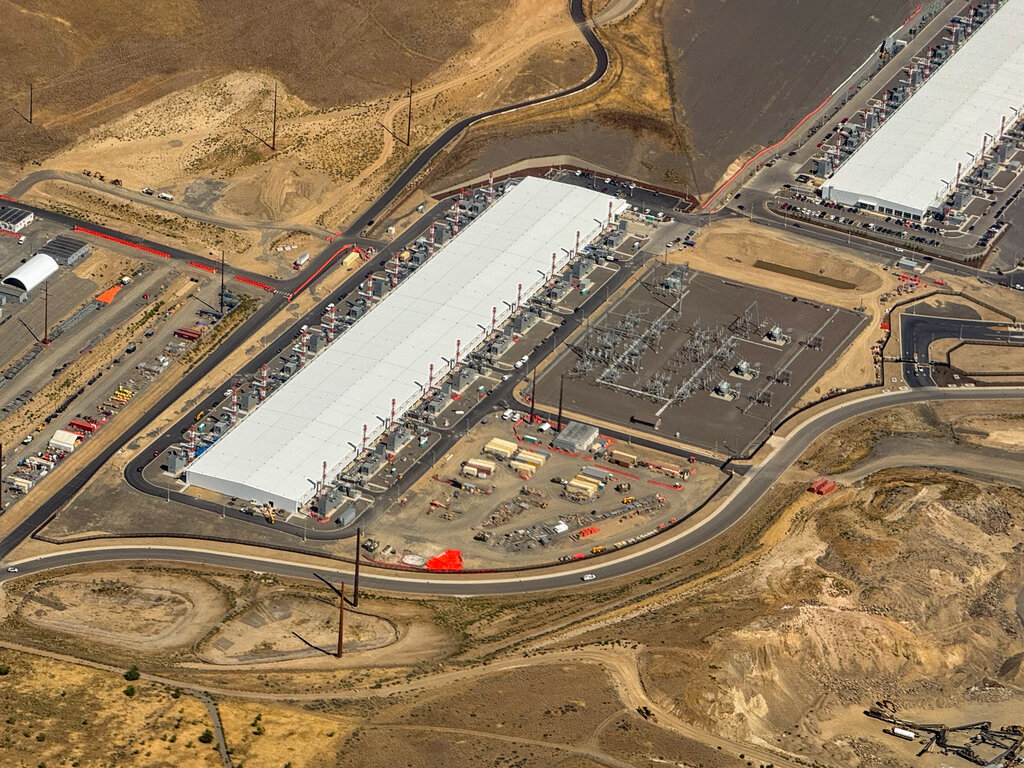
This model has a few key characteristics that set it apart from traditional computing.
On-demand self-service: You can provision computing resources like servers and storage as needed, without requiring human intervention from the provider.
Resource pooling: The provider's resources are pooled to serve multiple customers, with different physical and virtual resources dynamically assigned according to demand. You generally don't know or care where the resources are physically located.
Rapid elasticity: You can scale your resources up or down quickly, and in some cases automatically, to match demand. It's like having a system that can grow or shrink instantly.
Measured service: Cloud systems automatically control and optimize resource use by leveraging a metering capability. Resource usage can be monitored, controlled, and reported, providing transparency for both the provider and the consumer.
The Cloud Service Models
Cloud computing services are often broken down into three main categories. A helpful analogy is ordering pizza. You have different levels of service depending on how much you want to do yourself.
| Category | You Manage | Provider Manages | Pizza Analogy |
|---|---|---|---|
| IaaS (Infrastructure) | Applications, Data, Runtime, Middleware, OS | Virtualization, Servers, Storage, Networking | Take and Bake: The pizza place provides the dough, sauce, and cheese. You take it home to add toppings and bake it in your own oven. |
| PaaS (Platform) | Applications, Data | Runtime, Middleware, OS, Virtualization, Servers, Storage, Networking | Pizza Delivery: You order a finished pizza. You don't worry about the ingredients or the oven, just providing the plates and drinks. |
| SaaS (Software) | Nothing | Applications, Data, Runtime, Middleware, OS, Virtualization, Servers, Storage, Networking | Dine-In: You go to the restaurant. They handle everything from making the pizza to serving it and cleaning up. You just eat. |
Let's break these down a bit more.
Infrastructure as a Service (IaaS): This is the most basic category. You rent IT infrastructure, like servers, virtual machines, storage, and networks, from a cloud provider on a pay-as-you-go basis. It gives you the most control over your hardware.
Platform as a Service (PaaS): This model provides an on-demand environment for developing, testing, delivering, and managing software applications. It's designed to make it easier for developers to quickly create web or mobile apps, without worrying about setting up or managing the underlying infrastructure.
Software as a Service (SaaS): This is a method for delivering software applications over the Internet, on demand and typically on a subscription basis. With SaaS, cloud providers host and manage the software application and underlying infrastructure and handle any maintenance, like software upgrades and security patching. You just use the software. A good example is a web-based email service like Outlook or Gmail.
Why Adopt the Cloud?
Moving to the cloud offers several significant advantages over traditional, on-premises infrastructure.
Cloud computing allows organizations to focus on their core business and leave unwanted work like IT infrastructure capacity planning, procurement, and maintenance to cloud providers.
First is cost-efficiency. You eliminate the capital expense of buying hardware and software and setting up and running on-site datacenters. This includes the racks of servers, the round-the-clock electricity for power and cooling, and the IT experts for managing the infrastructure. It adds up fast.
Next is scalability. With the cloud, you can scale elastically. This means delivering the right amount of IT resources, for example, more or less computing power, storage, and bandwidth, right when they are needed, and from the right geographic location.
Finally, there's global reach. The ability to deploy applications in multiple regions around the world with just a few clicks allows you to provide lower latency and a better experience for your customers at a global scale.
Which of the following best describes the core concept of cloud computing?
A company experiences a sudden, massive surge in website traffic during a holiday sale. The ability of their cloud-based system to automatically provision more resources to handle the load is an example of which cloud characteristic?
Understanding these core concepts is the first step. They provide the foundation for exploring specific platforms and services.