AXI Protocol Essentials
Introduction to AXI Protocol
The SoC's Superhighway
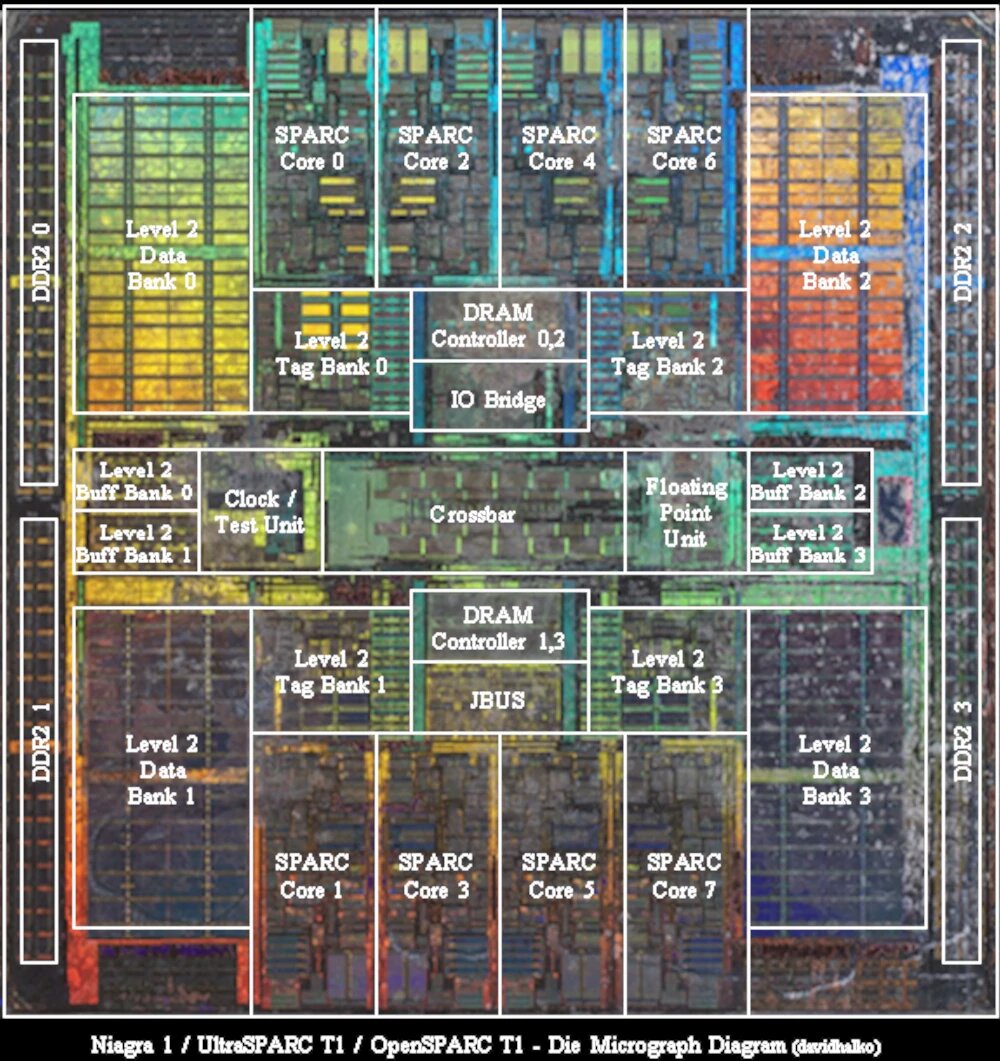
Modern electronic devices, from smartphones to smart TVs, are powered by a System-on-Chip, or SoC. Think of an SoC as a miniature computer packed onto a single piece of silicon. It contains multiple specialized components: a central processing unit (CPU), a graphics processing unit (GPU), memory controllers, and various peripherals for things like Wi-Fi and Bluetooth. For the SoC to work, all these different parts need to talk to each other, quickly and efficiently.
This is where a bus architecture comes in. It's like the highway system of the chip, defining the rules and pathways for data to travel between components. One of the most common standards for this is the Advanced Microcontroller Bus Architecture (AMBA), developed by ARM. AMBA provides a set of rules, or protocols, that ensure different parts of an SoC can communicate seamlessly.
As chips became more powerful, they needed a faster, more capable highway system. This led to the development of the Advanced eXtensible Interface (AXI) protocol, a key part of the AMBA family.
How AXI Works
AXI is a high-performance protocol designed to connect components that need to exchange large amounts of data very quickly. It operates on a simple but powerful master-slave model. A master is a component that starts a communication, like a CPU requesting a piece of data. A slave is a component that responds to that request, like a memory controller providing the data.
The key advantage of AXI is its use of separate, dedicated channels for reading and writing. This means a master component can be writing new data to memory while simultaneously reading different data from it, dramatically improving efficiency.
AXI communication is broken down into five independent channels:
This channel-based design allows for high throughput because multiple transactions can be in different stages of completion at the same time. The master doesn't have to wait for one transaction to fully complete before starting the next.
The AXI Family
AXI isn't a one-size-fits-all solution. The protocol comes in three main flavors, each tailored for different needs within an SoC.
| Interface | Primary Use Case | Key Feature |
|---|---|---|
| AXI4 | High-performance memory access | Designed for high throughput with large bursts of data. Ideal for CPUs and GPUs. |
| AXI4-Lite | Simple control registers | A lightweight version with a simpler interface. Used for accessing configuration settings. |
| AXI4-Stream | Streaming data | A point-to-point connection for continuous data flow, like video or audio. No addresses needed. |
AXI4 is the full-featured version, built for maximum performance. It's used when components need to move large chunks of data efficiently, such as a CPU fetching instructions from main memory.
AXI4-Lite is a stripped-down version. It’s perfect for simple, single data transfers, like setting a configuration register in a peripheral. It uses fewer resources on the chip, making the design simpler and more power-efficient for tasks that don't need high bandwidth.
AXI4-Stream is different from the other two. It removes the concept of addresses entirely. It’s designed for sending a continuous, unidirectional flow of data from a master to a slave, like streaming video from a camera sensor to a processing unit. It's like a direct data hose between two components.
What is the primary role of the Advanced Microcontroller Bus Architecture (AMBA) in a System-on-Chip (SoC)?
In the AXI protocol, which component initiates a communication request, such as asking for data from memory?
By providing these different interfaces, the AXI protocol gives chip designers a flexible and powerful toolkit for building complex and efficient Systems-on-Chip.