AWS Redshift Regression Testing
Introduction to Regression Testing
Don't Break What's Working
Software is a lot like a complex machine with many interconnected parts. When you add a new feature or fix a bug, you're essentially tinkering with that machine. The change might work perfectly on its own, but it could unintentionally break something else that was already working just fine. This is where regression testing comes in.
The goal of regression testing is simple: make sure new code changes don't negatively impact existing features.
Think of it like being a doctor. When a patient starts a new medication, you monitor them to ensure it doesn't cause harmful side effects or interfere with their other treatments. Regression testing does the same for software. It's a safety check that re-runs old tests to verify that the core functionality of an application remains stable after an update.
regression
noun
A return to a former or less developed state. In software, it means a feature that used to work has stopped working correctly.
Without this step, developers would be flying blind, hoping their changes didn't cause any collateral damage. It's a crucial part of maintaining a high-quality product that users can rely on.
Why Bother with It?
Running extra tests might seem like it slows down development, but it actually saves a huge amount of time and resources in the long run. By catching regressions early, teams can fix them before they ever reach the user. A bug found in development is far cheaper and easier to fix than one discovered by a customer.
Key benefits include:
- Ensuring Quality: It acts as a safety net, preserving the stability and functionality of the application.
- Building Confidence: Developers can release new features with more confidence, knowing that the existing product is still solid.
- Preventing Rework: It reduces the chances of having to do emergency fixes after a release, which can be stressful and disruptive.
- Improving User Experience: It helps ensure that users have a consistent and reliable experience, without familiar features suddenly breaking.
Regression testing ensures that new code changes do not adversely affect the existing software.
A Typical Workflow
While the specifics can vary, the general process for regression testing follows a logical sequence. It isn't about testing every single thing in the application every single time. Instead, it's about strategically re-testing parts that are most likely to be affected by recent changes.
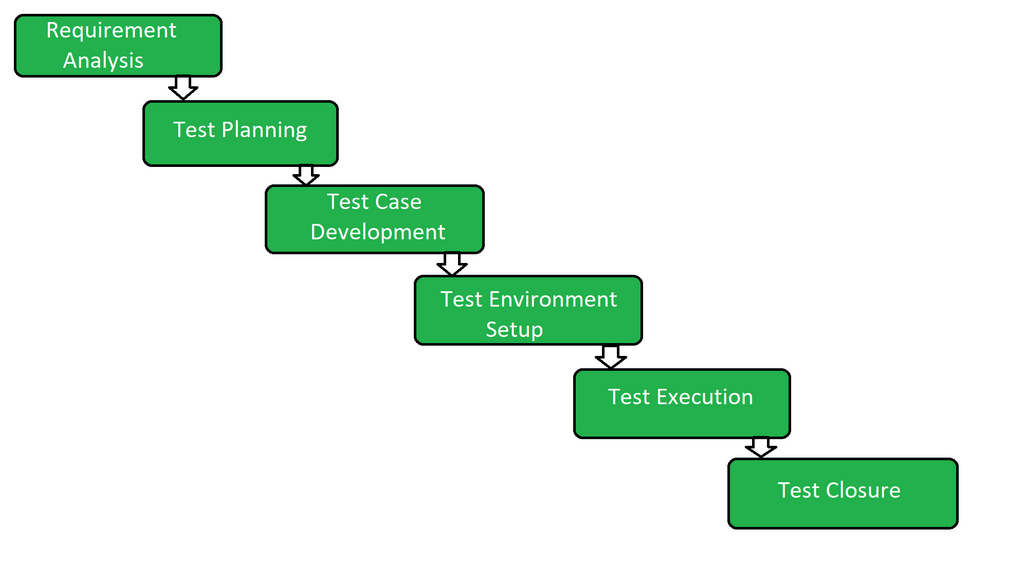
The cycle usually looks like this:
- A change is made: A developer modifies the codebase to add a feature, fix a bug, or improve performance.
- Identify impact: The team identifies which existing functionalities could potentially be affected by this new change.
- Select tests: A specific suite of existing tests is chosen to cover the identified risk areas. This set of tests is often called a regression suite.
- Execute tests: The selected tests are run automatically.
- Analyze results: The team reviews the test outcomes. If all tests pass, the change is considered safe. If any tests fail, it signals a regression that needs to be fixed before the code can be released.
Now, let's check your understanding of these core concepts.
What is the primary purpose of regression testing?
According to the text, why is regression testing considered a cost-effective practice in the long run?
This structured approach allows teams to move quickly while maintaining a high bar for quality, ensuring the software only gets better with each update.