AWS Generative AI Developer Pro Exam Mastery
Generative AI Fundamentals
What Is AI Anyway?
Artificial intelligence is about making machines that can think or act like humans. It's a broad field that's been around for decades, starting with simple rule-based systems and evolving into the complex learning models we see today.
Artificial Intelligence
noun
The theory and development of computer systems able to perform tasks that normally require human intelligence, such as visual perception, speech recognition, decision-making, and translation between languages.
The journey of AI has been marked by periods of rapid advancement and quiet lulls. Early pioneers dreamed of creating machines with human-like general intelligence. While that goal remains distant, the pursuit has led to powerful specialized AIs that excel at specific tasks. The most recent and exciting development in this journey is the rise of generative AI.

Two Flavors of AI
Not all AI is created equal. For a long time, the dominant form of AI has been what we might call traditional, or discriminative, AI. Its primary job is to analyze data and make predictions or classifications. Think of an AI that looks at a picture of an animal and decides if it's a cat or a dog. It's discriminating between existing categories.
Generative AI is different. Instead of just analyzing or classifying, it creates something entirely new. It learns patterns and structures from a vast dataset and then uses that knowledge to generate novel content, whether that's text, images, music, or code. It doesn't just identify the dog; it can create a picture of a dog that has never existed.
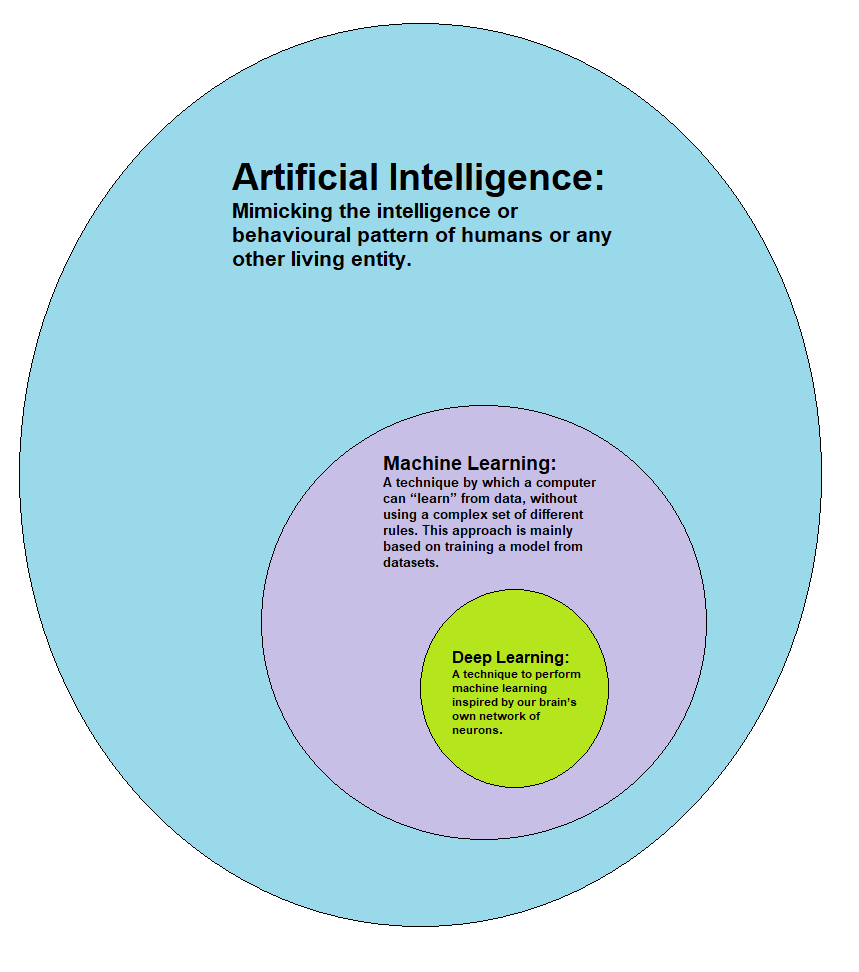
This fundamental difference in purpose leads to very different applications and capabilities. Here’s a simple breakdown:
| Feature | Traditional AI (Discriminative) | Generative AI |
|---|---|---|
| Goal | Predict an outcome or classify data. | Create new, original content. |
| Input | Data to be classified or analyzed. | A prompt or initial concept. |
| Output | A label, category, or number (e.g., 'spam', 'cat', 75%). | New data (e.g., an image, a paragraph, a song). |
| Question It Answers | Is this A or B? | What would A look like? |
| Example | A facial recognition system. | An AI that generates a portrait. |
The Engines of Creation
Generative AI's ability to create comes from sophisticated underlying structures called model architectures. While there are many, two have become particularly important: Transformers and Diffusion Models.
A model architecture is like a blueprint for an AI, defining how it processes information and learns.
Transformers are the power behind most modern text-based AI, like ChatGPT. Their key innovation is something called an "attention mechanism." This allows the model to weigh the importance of different words in a sentence, no matter how far apart they are. It helps the model understand context, nuance, and the intricate relationships within language. This is why a transformer-based model can write a coherent paragraph, translate languages, and answer complex questions.
Diffusion Models excel at creating images. They work by taking a picture of pure random noise and gradually refining it, step by step, until it becomes a clear and detailed image that matches a text prompt. Imagine a sculptor starting with a block of marble (the noise) and slowly chipping away until a statue emerges. Diffusion models do something similar, but with pixels, guided by the user's description.
Using AI Responsibly
The power to generate content automatically brings significant ethical questions. As we build and use these tools, it's crucial to consider the potential for misuse and to establish practices for responsible AI.
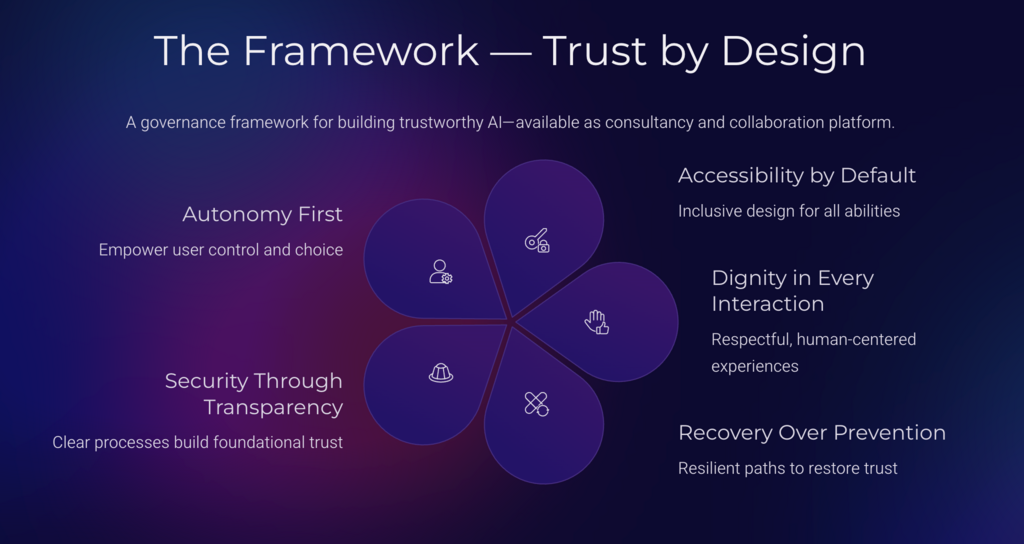
Key ethical considerations include:
-
Bias: AI models learn from the data they're trained on. If that data contains historical biases related to race, gender, or other factors, the model will learn and perpetuate them. This can lead to unfair or harmful outputs.
-
Misinformation: Generative AI can create realistic but false text, images, and videos, which could be used to spread disinformation at an unprecedented scale.
-
Accountability: If an AI model causes harm, who is responsible? The developers? The users? The company that deployed it? Establishing clear lines of accountability is a complex but necessary challenge.
-
Transparency: Many advanced AI models are "black boxes," meaning even their creators don't fully understand their internal decision-making processes. Responsible AI practices push for greater transparency and explainability, so we can trust and verify the outputs.
Developing AI responsibly means actively working to mitigate these risks. It involves careful data curation, rigorous testing, building systems that are transparent by design, and creating clear guidelines for how these powerful technologies should be used.
What is the primary difference between generative AI and traditional (discriminative) AI?
An email service automatically sorts incoming messages into 'Spam' and 'Not Spam' folders. What type of AI is most likely performing this task?
These foundational concepts set the stage for understanding how to build with generative AI. Knowing the difference between AI types, the core model architectures, and the ethical landscape is the first step toward creating powerful and responsible applications.