AWS Fundamentals
Introduction to AWS
A Global Footprint
Amazon Web Services (AWS) isn't a single, magical computer in the sky. It's a massive, physical network of data centers strategically placed all over the world. This global infrastructure is designed for reliability and speed, ensuring that applications and data are available and close to the people who need them.
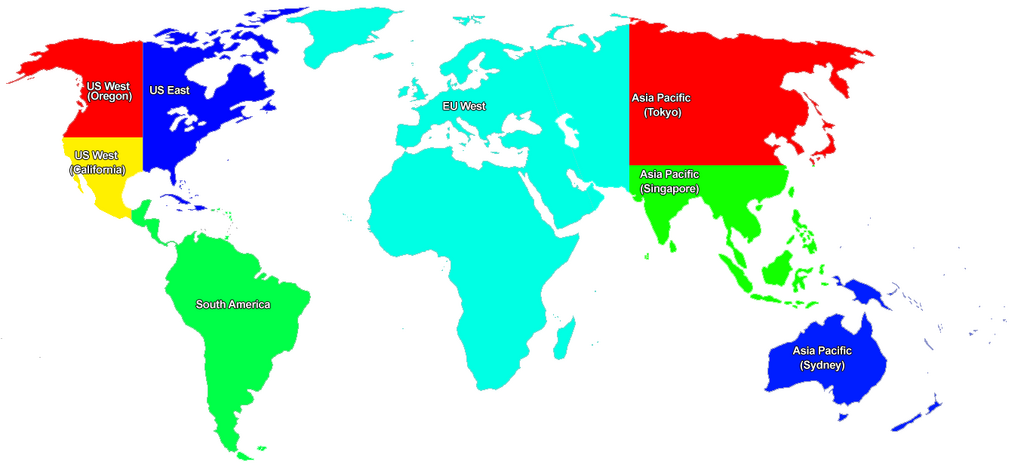
To understand how this works, we need to know two key terms: Regions and Availability Zones (AZs).
A Region is a physical location in the world, like Northern Virginia or Ireland, where AWS clusters its data centers. Each Region is completely isolated from the others.
An Availability Zone is one or more discrete data centers within a Region. Each AZ has its own independent power, cooling, and physical security, and is connected to others through low-latency networks. Think of them as separate, self-sufficient islands.
Why the separation? It’s all about high availability. If a rare event like a fire or flood were to take out one Availability Zone, the other AZs in that region would keep running. By deploying applications across multiple AZs, you can build systems that are resilient to failure.
The AWS Advantage
Using a global cloud platform like AWS offers several major advantages over managing your own physical hardware.
First is scalability and elasticity. In the past, if you expected a surge in website traffic, you had to buy and set up powerful servers in advance. If the traffic never came, you wasted money. With AWS, you can scale your resources up or down automatically based on demand. It's like having an accordion for your computing power, expanding and contracting exactly when you need it.
Second is flexibility. AWS is like a giant workshop filled with every tool you could imagine. It supports a vast number of operating systems, programming languages, databases, and application frameworks. This gives you the freedom to choose the right tools for your specific job without being locked into a particular technology.
Finally, there's cost-effectiveness. Instead of making huge upfront investments in servers and data centers, you adopt a pay-as-you-go model. You only pay for the computing power, storage, and other resources you actually use. This shifts your spending from a large capital expense (CapEx) to a more manageable operating expense (OpEx).
With AWS, you trade large upfront costs for smaller, variable costs and only pay for what you consume.
A Partnership in Security
When you move to the cloud, who is responsible for keeping things secure? AWS uses a Shared Responsibility Model to answer this question. It's a partnership where both AWS and you, the customer, have distinct roles.
AWS is responsible for the security of the cloud. This includes the physical security of its data centers, the hardware and software that run the cloud services, and the global network. They make sure the buildings are secure, the servers are patched, and the network is protected from physical intrusion.
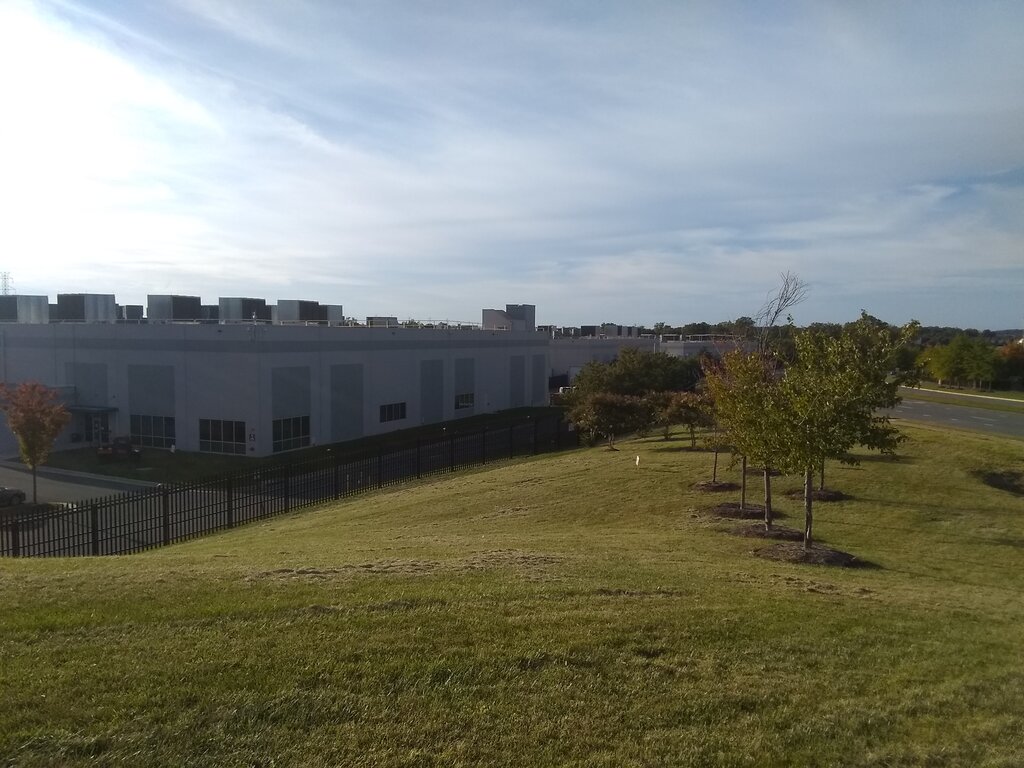
You, the customer, are responsible for security in the cloud. This means you are in charge of how you use the services AWS provides. Your responsibilities include:
- Data: You control your data, including whether you encrypt it and who has access to it.
- Access Management: You decide who gets to use your AWS account and what they are allowed to do. This involves managing users, groups, and permissions.
- Network Configuration: You are responsible for configuring your virtual network, including setting up firewalls and access rules to protect your applications from unauthorized traffic.
- Operating System: If you use a virtual server service like Amazon EC2, you are responsible for patching and maintaining the operating system.
Think of it like renting an apartment. The landlord (AWS) is responsible for securing the building, the locks on the main doors, and the utilities. But you (the customer) are responsible for locking your own apartment door and deciding who you invite inside. Both parties play a crucial role in maintaining a secure environment.
What is the relationship between an AWS Region and an Availability Zone (AZ)?
Why would an organization deploy its application across multiple Availability Zones?
This overview covers the fundamental concepts of AWS's structure, benefits, and security model. Understanding these pillars is the first step in learning how to build powerful and reliable applications in the cloud.