AWS Cloud Foundations
Introduction to Cloud Computing
What is the Cloud?
At its core, cloud computing is about renting someone else's computers over the internet. Instead of buying, owning, and maintaining your own physical data centers and servers, you can access technology services, like computing power and storage, from a cloud provider on an as-needed basis.
Think about the electricity in your home. You don't own a power plant. You just plug into the wall and pay for what you use. The cloud works in a similar way for computing. Companies like Netflix, Airbnb, and millions of smaller businesses don't run massive server farms in their basements. They tap into the vast resources of cloud providers.
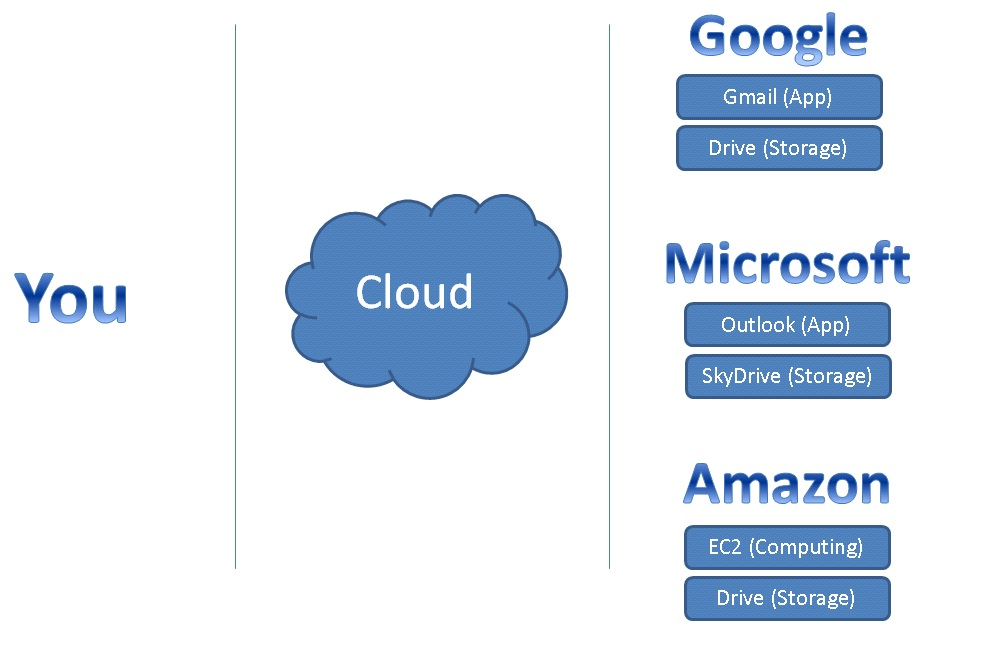
This model has a few key characteristics that make it so powerful:
- On-demand self-service: You can get computing resources whenever you need them, without having to talk to a human.
- Pay-as-you-go: You only pay for what you use, just like a utility bill. This turns a large upfront capital expense into a smaller, variable operational expense.
- Elasticity and Scalability: Need more power for a big product launch? You can get it in minutes. When traffic dies down, you can scale back down just as quickly. This means you don't have to over-prepare for peak demand and waste money on idle servers.
- Global Reach: Cloud providers have data centers all over the world. This allows you to deploy your applications close to your users, reducing lag and improving their experience.
Models of the Cloud
Not all cloud services are the same. They are typically broken down into two main categories: service models and deployment models.
Service Models describe the level of service you're getting and how much you have to manage yourself. The popular "Pizza as a Service" analogy explains this well.
-
Infrastructure as a Service (IaaS): This is the most basic level. The cloud provider gives you access to fundamental computing resources like virtual servers, storage, and networking. You're responsible for managing the operating system, applications, and data. It’s like being handed a kitchen with an oven—you still have to buy the ingredients and bake the pizza yourself.
-
Platform as a Service (PaaS): This model provides a platform for you to develop, run, and manage applications without worrying about the underlying infrastructure. The provider manages the servers, operating systems, and storage. You just focus on writing code and managing your application. This is like ordering a pizza for delivery—the shop handles the ingredients and the baking, you just have to set the table.
-
Software as a Service (SaaS): This is the most common model. You use a complete, ready-to-go software application that is hosted and managed by the provider. Think of services like Gmail, Salesforce, or Dropbox. You just log in and use it. This is like going out to a restaurant for pizza—everything is taken care of for you.
Deployment Models describe where the cloud infrastructure lives.
-
Public Cloud: The infrastructure is owned and operated by a third-party cloud provider (like Amazon Web Services, Google Cloud, or Microsoft Azure) and delivered over the internet. Multiple organizations share the same infrastructure, a concept known as multi-tenancy. This is the most common and cost-effective model.
-
Private Cloud: The infrastructure is used exclusively by a single organization. It can be physically located in the company's on-site data center or hosted by a third-party provider. A private cloud offers more security and control, but comes at a higher cost and requires more management.
-
Hybrid Cloud: This model combines a private cloud with one or more public cloud services. It allows data and applications to be shared between them. A company might use its private cloud for sensitive data while using the public cloud for less critical tasks, giving them the best of both worlds.
How We Got Here
The idea of utility computing has been around since the 1960s, but it wasn't until the early 2000s that it became a reality. The story began with large companies that had built massive, efficient data centers for their own needs. Amazon, for example, built an incredible internal infrastructure to run its e-commerce website. They became so good at it that they realized they could sell access to this infrastructure as a service.
This led to the launch of Amazon Web Services (AWS) in 2006, which is widely considered the start of the modern cloud computing era. It kicked off a major shift in how businesses think about technology. Instead of treating computing as a capital-intensive product to be purchased, it became a flexible service to be consumed.
What is the core principle of cloud computing?
In the 'Pizza as a Service' analogy, which cloud service model is most like going out to a restaurant for pizza, where everything is handled for you?