AWS Cloud DevOps Essentials
Introduction to AWS DevOps
What is DevOps?
Think of building software like a relay race. In a traditional setup, the development team writes the code and then hands the baton to the operations team, who are responsible for deploying and maintaining it. If something goes wrong, it's easy to point fingers. This handoff can be slow and create friction.
DevOps
noun
A set of practices that combines software development (Dev) and IT operations (Ops) to shorten the development life cycle and provide continuous delivery with high software quality.
DevOps changes this by merging the two teams into a single, collaborative unit. It's a cultural shift where everyone shares responsibility for the software, from the first line of code to its performance on a live server. The core idea is to automate and streamline the process of building, testing, and releasing software.
Key principles of DevOps include strong collaboration, automating repetitive tasks, integrating code changes frequently, and delivering updates continuously.
DevOps on AWS
Amazon Web Services (AWS) provides a powerful platform for implementing DevOps. Instead of having to piece together different tools from various vendors, AWS offers a suite of services designed to work together seamlessly. This makes it easier for teams to adopt DevOps practices without getting bogged down by complex tool configurations.
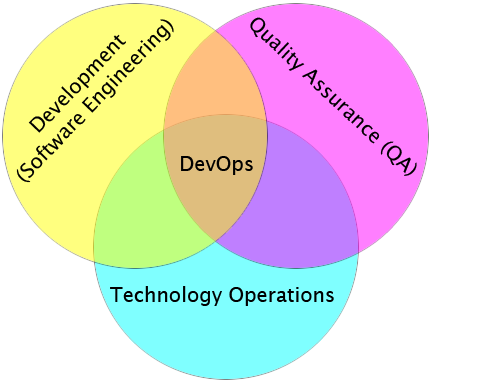
AWS has specific services that map directly to the different stages of the software delivery lifecycle. For example:
- AWS CodeCommit is a secure place to store and manage your code, much like GitHub.
- AWS CodeBuild automatically compiles your code and runs tests.
- AWS CodeDeploy automates the process of deploying your application to servers.
These are just a few examples. The key takeaway is that AWS provides the building blocks to create a fully automated software release process.
DevOps practices combine software development and IT operations.
The Benefits
Adopting DevOps on AWS isn't just about using new tools; it's about achieving better business outcomes. The most significant advantage is speed. By automating the build, test, and deployment processes, teams can release new features and bug fixes much faster. This allows businesses to respond quickly to customer feedback and changing market demands.
Reliability is another major benefit. Automation reduces the risk of human error, which is a common cause of issues in production. With automated testing, problems are caught earlier in the development cycle, long before they can affect users. This results in a more stable and dependable application.
| Benefit | How AWS DevOps Helps |
|---|---|
| Increased Speed | Automates software release processes, enabling faster delivery. |
| Improved Reliability | Reduces manual errors and introduces consistent testing. |
| Enhanced Security | Integrates security checks into the automated pipeline. |
| Better Collaboration | Provides a shared set of tools and a unified process for all teams. |
Finally, security gets a boost. Instead of being an afterthought, security practices can be integrated directly into the automated pipeline. This approach, often called DevSecOps, ensures that security checks are performed automatically at every stage of the development process.
Ready to test your understanding of these core concepts?
What is the primary cultural shift introduced by DevOps?
Which AWS service is most similar in function to GitHub, providing a secure place to store and manage code?
By bringing teams together and leveraging the power of automation on AWS, organizations can deliver better software, faster and more reliably.