AWS Cloud Computing Fundamentals
Introduction to AWS
What Is AWS?
Think about the electricity in your home. You flip a switch, and the lights turn on. You don't own the power plant, maintain the power lines, or worry about generating the electricity yourself. You just pay for what you use. Cloud computing works in a similar way, but for computer power, storage, and other digital services.
Amazon Web Services (AWS) is one of the world's biggest providers of these cloud services. Instead of buying and managing their own physical servers, companies can rent computing resources from AWS. This gives them access to incredibly powerful infrastructure on demand, from anywhere in the world.
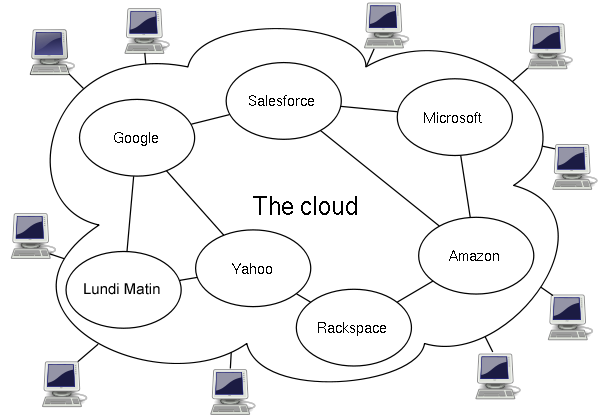
This simple idea has changed how websites are built, how companies store data, and how developers create new applications. It levels the playing field, allowing a small startup to use the same high-quality tools as a massive corporation.
A Global Network
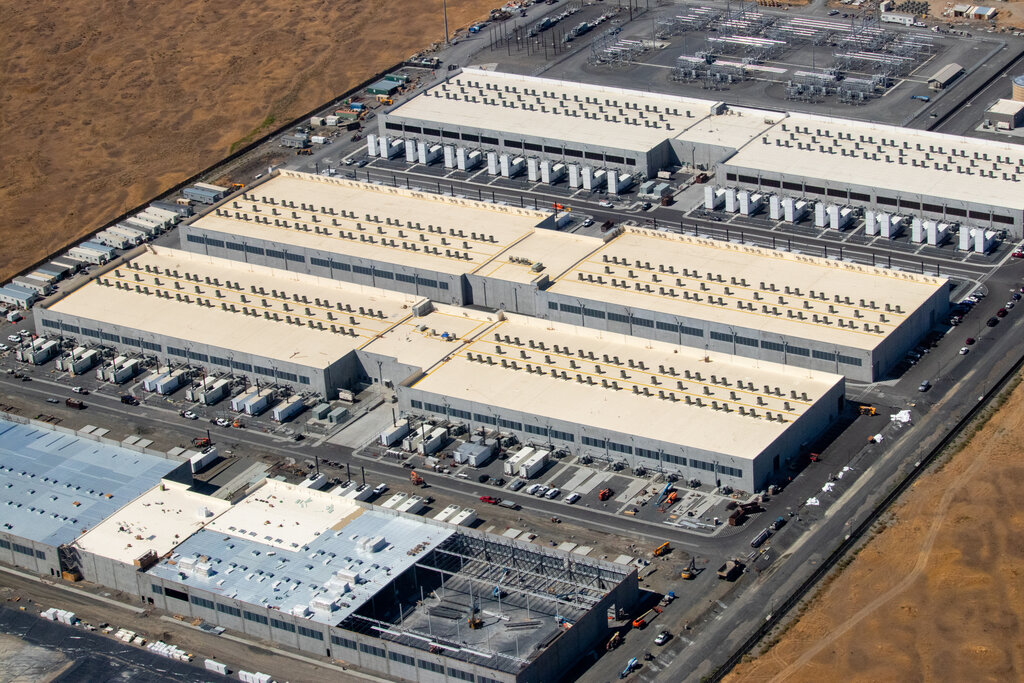
The power of AWS comes from its massive physical footprint. It’s not an abstract “cloud” but a network of powerful data centers located all around the globe. This physical infrastructure is organized in a clever way to ensure services are fast, reliable, and always available.
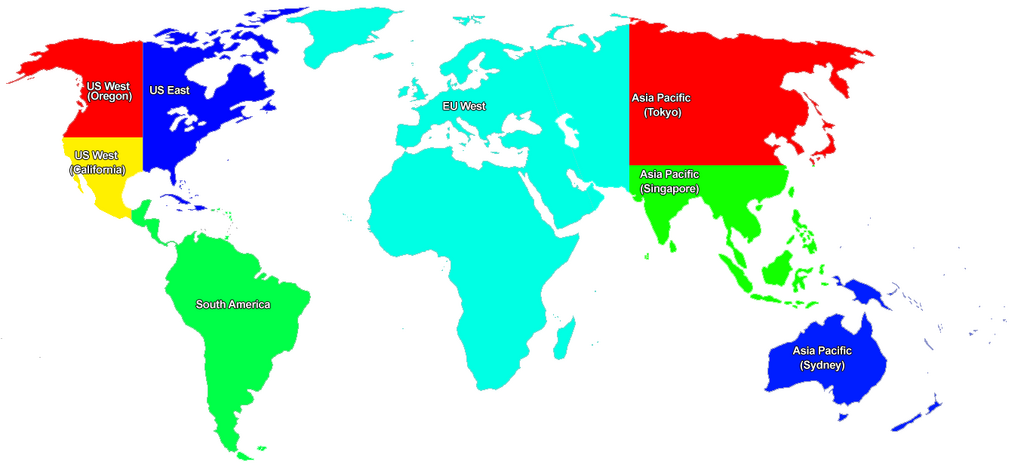
To understand how this works, you need to know two key terms: Regions and Availability Zones.
An AWS Region is a physical location in the world where AWS has multiple data centers. For example, there are Regions in North Virginia, London, and Tokyo.
An Availability Zone (AZ) is one or more discrete data centers with redundant power, networking, and connectivity within an AWS Region. Each AZ is isolated from the others, so a failure in one won't affect the others.
Think of a Region as a major city. Within that city, there are several independent power stations (Availability Zones). If one power station has a problem, the others can keep the city running without interruption. This structure makes applications built on AWS highly resilient.
By placing resources in different Regions, you can serve customers around the world with very low latency. If your customers are mainly in Europe, you can use the London or Frankfurt Region to make sure their experience is as fast as possible.
The Benefits of the Cloud
Why do so many companies choose to use cloud services like AWS instead of managing their own hardware? It comes down to a few key advantages.
Scalability and Elasticity Imagine a retail website that's normally quiet but gets a huge surge of traffic during a holiday sale. In the past, they would have needed to buy enough servers to handle that peak traffic, even though those servers would sit idle for most of the year. With AWS, they can automatically scale up their resources to handle the rush and then scale back down when it's over. They only pay for the extra power when they need it.
Flexibility and Speed Developers can spin up new servers or try out new databases in minutes. This allows them to experiment, innovate, and get their products to market much faster. They don't have to wait weeks for new hardware to be ordered and installed. They can just click a button.
Cost-Effectiveness Instead of making a huge upfront investment in physical servers and data centers, companies can switch to a pay-as-you-go model. This changes capital expenditure (buying hardware) into an operational expenditure (paying a monthly bill), which is often much more manageable, especially for new businesses.
These core ideas—a global reach, built-in resilience, and a flexible, pay-for-what-you-use model—are the foundation of AWS. By understanding them, you can start to see why cloud computing has become so essential for modern technology.
The provided text likens using a cloud computing service to which common household utility?
In the AWS infrastructure analogy, an Availability Zone is compared to a ______, and a Region is compared to a ______.