AWS AI Practitioner Exam Mastery
Data Engineering
Getting the Data In
Before you can do anything with data, you need to collect it. This first step is called data ingestion, and it's all about moving data from where it's created to a central place where you can work with it. Think of it like getting groceries. Your data might come from different stores: website clicks, mobile app usage, sales records, or sensor readings.
There are two main ways to bring this data home:
- Batch Ingestion: This is like a big weekly grocery trip. You collect data over a period of time (an hour, a day) and then move it all at once in a large batch. This is efficient for large volumes of data that don't need to be analyzed instantly.
- Streaming Ingestion: This is like having groceries delivered the moment you order them. Data is captured and sent for processing in real-time, or close to it. This is essential for time-sensitive applications, like fraud detection or live dashboards.
In AWS, a service like AWS Kinesis is perfect for streaming data, acting like a conveyor belt that continuously feeds data into your system. For massive batch jobs, you might use AWS Snowball, a physical device you fill with data and ship to AWS—literally a data truck.
A Place for Everything
Once data arrives, it needs a place to live. The two most common storage strategies are data lakes and data warehouses. They sound similar, but they serve very different purposes.
A data lake is a vast storage repository that holds raw data in its native format. Imagine a real lake: you can pour in water from rivers, streams, and rain without filtering it first. Similarly, a data lake can store structured data (like spreadsheets), semi-structured data (like JSON files), and unstructured data (like images or text) all in one place. The main tool for building a data lake in AWS is Amazon S3 (Simple Storage Service), which is incredibly scalable and cost-effective.
A data warehouse, on the other hand, is like a highly organized library. Before data is stored, it's cleaned, structured, and cataloged. This makes it optimized for fast queries and business analysis. You'd use a data warehouse for things like creating sales reports or tracking key performance indicators. The go-to service for this in AWS is Amazon Redshift.
| Feature | Data Lake (Amazon S3) | Data Warehouse (Amazon Redshift) |
|---|---|---|
| Data Structure | Raw, unstructured, semi-structured | Structured, processed |
| Primary Use | Storing all data, ML model training | Business intelligence, analytics |
| Flexibility | Very high (schema-on-read) | Lower (schema-on-write) |
| Users | Data scientists, data engineers | Business analysts, executives |
Building Data Pipelines
A data pipeline is the automated process that connects your data sources to your storage systems. It handles the extraction, transformation, and loading of data. The architecture of these pipelines typically follows one of two patterns: ETL or ELT.
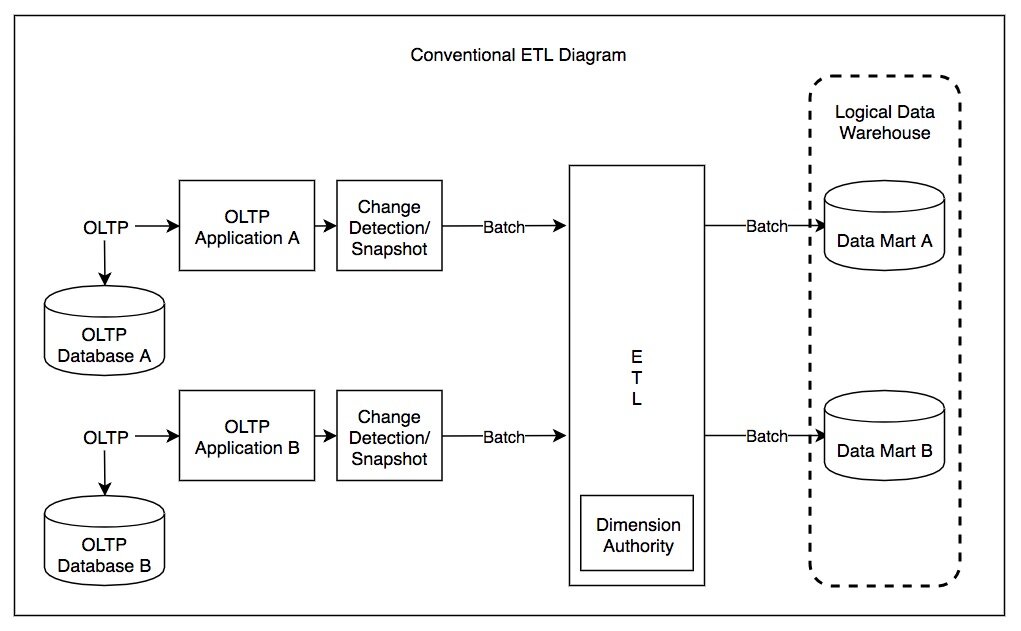
ETL stands for Extract, Transform, Load. In this classic approach, data is pulled from its source (Extract), cleaned and reshaped on a separate processing server (Transform), and then sent to its final destination, usually a data warehouse (Load). It's like preparing all your ingredients on a kitchen counter before putting the finished meal on the table.
ELT stands for Extract, Load, Transform. This is a more modern approach that takes advantage of the power of cloud data warehouses. Here, you pull the raw data from its source (Extract) and immediately dump it into your storage system, like a data lake or a powerful data warehouse (Load). The cleaning and reshaping (Transform) happens inside the warehouse itself, using its own processing power.
This includes understanding big data technologies, designing scalable data pipelines, implementing ETL (Extract, Transform, Load) or ELT (Extract, Load, Transform) processes, and managing data warehouses and data lakes.
AWS provides services to build and manage these pipelines. AWS Glue is a serverless service that helps you discover, prepare, and combine data for analytics and machine learning. It can act as the 'T' in ETL, running transformation jobs. For orchestrating complex workflows, AWS Step Functions lets you coordinate multiple AWS services into a single, automated data pipeline.
With well-engineered pipelines feeding clean, reliable data into organized storage, the data is finally ready for the next stage: analysis and machine learning.