Awake Your Audience Slide Design
Understanding Audience Needs
Start With Your Audience
Before you write a single word or choose a single image for your presentation, you need to know who you're talking to. This isn't just a courtesy; it's the foundation of an effective presentation. A message perfectly crafted for a room of experts will fall flat with beginners. A casual, joke-filled talk might not land well in a formal boardroom.
Every decision you make—what to include, what to leave out, the language you use, and the examples you share—should be filtered through the lens of your audience.
Understanding your audience is the cornerstone of any effective presentation.
Thinking about your audience first prevents you from creating a presentation that only makes sense to you. It forces you to step outside your own perspective and build a bridge to theirs.
Who Are They?
To understand your audience, you need to conduct a little research, a process known as audience analysis. This involves gathering information on two key fronts: demographics and psychographics.
Demographics are the basic, quantifiable characteristics of your audience. This includes things like their job titles, industry, age range, and experience level. Are you speaking to seasoned executives, new hires, or a mix of both?
Psychographics dig deeper into their mindset. What are their goals and motivations? What challenges or "pain points" do they face in their work? What are their attitudes and beliefs about your topic? This information is often more valuable than demographics because it tells you why they should care about what you have to say.
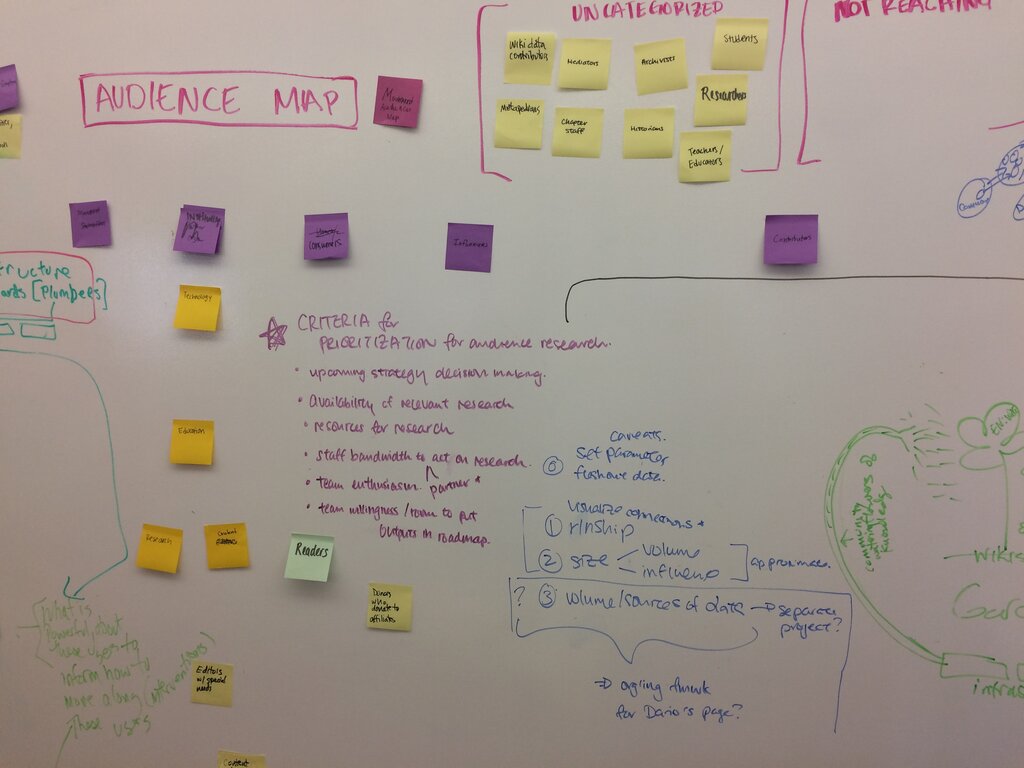
You can gather this information in several ways. If possible, talk to the event organizer or a few people who will be attending. Look up attendees on professional networking sites to understand their roles and backgrounds. If it's an internal meeting, you likely already have a good sense of who your colleagues are and what they care about.
| Question to Ask | Why It Matters |
|---|---|
| What is their role? | A CEO cares about strategy and budget, while an engineer cares about technical details. |
| What do they know about this topic? | This determines if you should start with the basics or jump into advanced concepts. |
| What are their pain points? | Framing your solution around their problems makes your message instantly relevant. |
| What do they hope to gain? | This helps you focus on the benefits and takeaways that are most valuable to them. |
Tailoring Your Message
Once you have a clear picture of your audience, you can adapt your content and delivery to match their needs. This is where your analysis pays off.
First, adjust your content. If you discover your audience is new to the topic, you'll need to define key terms and avoid jargon. For an expert audience, you can skip the fundamentals and dive straight into complex analysis and new findings. The goal is to meet them exactly where they are, challenging them without overwhelming them.
For example, if you're presenting a new software tool to a sales team, focus on how it can help them close deals faster. If you're presenting the same tool to engineers, focus on the system architecture and integration capabilities.
The key is to frame your content in terms of what's most relevant and beneficial to them. Answer their unspoken question: "Why should I care?"
Second, adapt your delivery style. An audience of creatives might appreciate a highly visual, story-driven presentation. An audience of financial analysts will likely prefer a data-heavy, straightforward approach. Your tone, pacing, and level of formality should all be calibrated to what the audience expects and what will make them most comfortable.
What is the foundational first step you should take before creating any presentation content?
An event organizer tells you that the audience for your talk consists of senior executives in the finance industry with over 20 years of experience. What type of information have you just received?
By investing time in understanding your audience, you transform your presentation from a simple broadcast of information into a meaningful and engaging conversation.