Awake and Engaged Slide Decks
Understanding Audience Needs
Start with Who, Not What
Before you write a single word or design one slide, the first step is always the same: figure out who you’re talking to. A presentation isn’t a monologue; it’s a conversation. And for any conversation to be successful, you have to know the person on the other side.
Understanding your audience is the cornerstone of any effective presentation.
Thinking about your audience isn't just about being polite. It’s about being effective. Your goal is to deliver a message that sticks, inspires action, or teaches something new. If your content doesn’t connect with the audience’s needs, knowledge level, and interests, it won’t matter how brilliant your ideas are. They simply won’t land.
Create an Audience Map
To truly understand your audience, you need to dig a little deeper than just a job title. You're trying to build a basic profile of the people in the room. This process, often called audience analysis, involves gathering information to help you tailor your message.
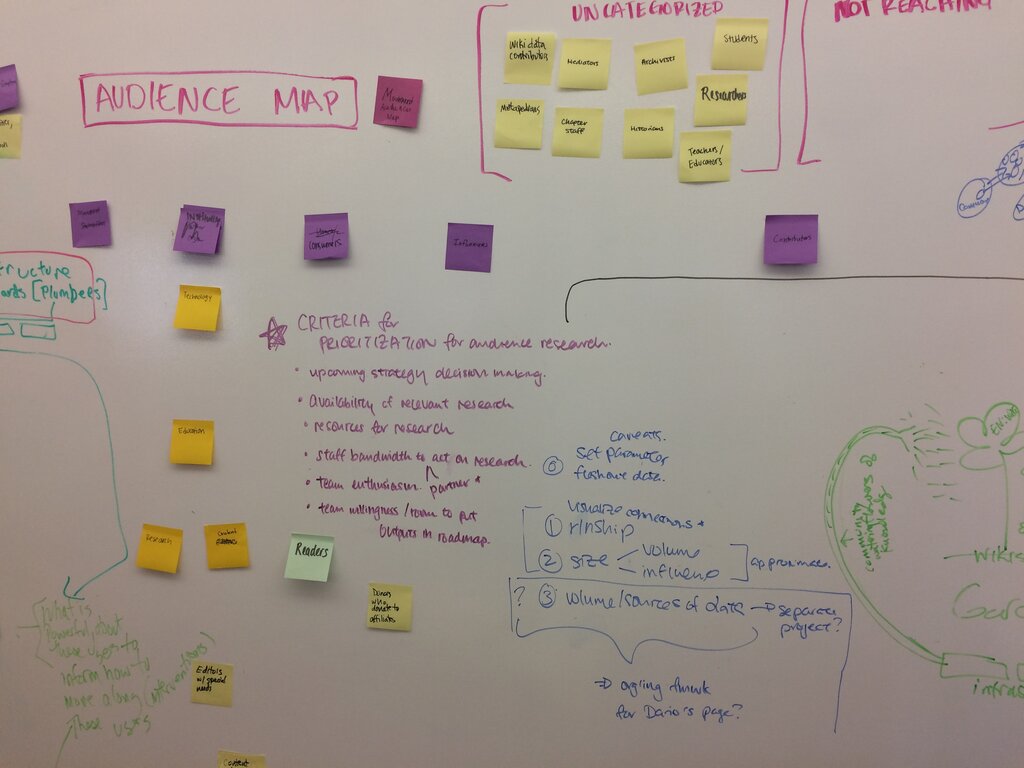
Start by asking a few key questions:
- Demographics: What are their roles, industries, or general age range? Speaking to a room of university students is very different from presenting to a board of directors.
- Knowledge Level: Are they beginners, experts, or somewhere in between regarding your topic? You don't want to bore them with basics they already know or overwhelm them with jargon they don’t.
- Expectations: Why are they here? Did they choose to come, or is this a mandatory meeting? What do they hope to walk away with? Knowing their motivation helps you frame your content around what they value.
- Pain Points: What challenges or problems do they face that your topic can help solve? People pay attention when you’re solving a problem they actually have.
How to Gather Intel
Getting this information isn't as hard as it sounds. You don’t need to conduct a massive research project. A little effort goes a long way.
If you were invited to speak, ask the organizer for details about the attendees. They can often provide a good overview of the group's background and expectations.
For a professional event, use LinkedIn. Look up the titles and companies of a few people who will be there. This gives you a snapshot of their professional world.
If you have direct contact with attendees beforehand, a simple one-question survey can work wonders. Ask something like, "What is the #1 thing you hope to learn from this presentation?" The answers are a goldmine for tailoring your content.
Even just arriving a little early and chatting with a few people as they come in can give you valuable insight into their perspective and mood.
Tailoring Your Message
Once you have a clearer picture of your audience, you can start adapting your content. This is where the analysis pays off. Tailoring your message means connecting your ideas to their world.
Let’s say you’re giving a presentation on a new project management software. Here’s how you might tailor it for different groups:
| Audience | Knowledge Level | Their Goal | Your Focus |
|---|---|---|---|
| Engineers | Expert users of old system | Efficiency | Focus on specific technical features that save time and reduce bugs. Use their jargon. |
| Executives | High-level, not users | ROI, Strategic Fit | Focus on the big picture: cost savings, productivity gains, and market advantage. Avoid technical details. |
| New Hires | Beginners | Learning the basics | Focus on the core functions and how the tool fits into their daily workflow. Provide a simple, step-by-step overview. |
Notice how the core topic—a new software—doesn't change. But the story you tell, the details you include, and the benefits you highlight are completely different for each group. By aligning your content with what your audience cares about, you make it relevant and memorable.
What is the most critical first step to take before designing a presentation?
You are presenting a new marketing analytics software. How should you tailor your message for an audience of experienced marketing managers?
Ultimately, analyzing your audience is an act of empathy. It’s about shifting your perspective from "What do I want to say?" to "What do they need to hear?" When you make that shift, your presentations become far more powerful.