Avionics Engineering Career Path B2 License Sri Lanka Europe
Introduction to Avionics Engineering
The Brains of the Aircraft
Avionics is a term that blends "aviation" and "electronics." It covers every electronic system on an aircraft, from the glowing displays in the cockpit to the complex communication and navigation equipment hidden within the fuselage. These systems are the aircraft's brain and nervous system, processing information and enabling pilots to fly safely and efficiently.
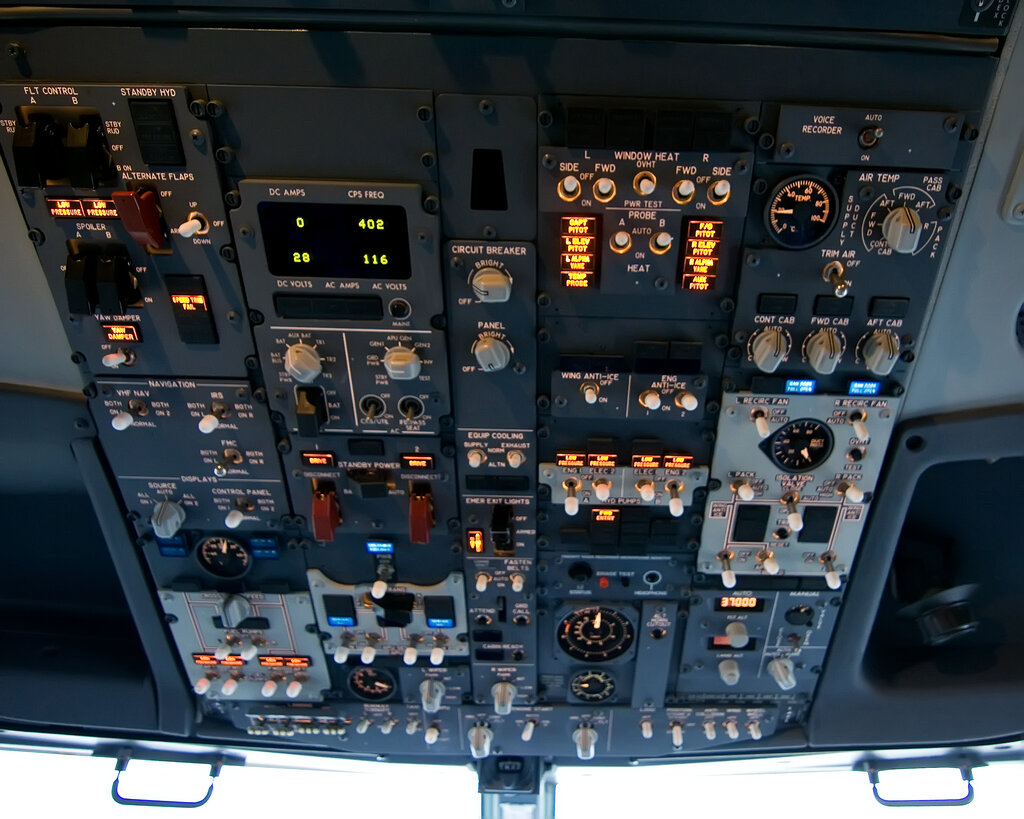
Without avionics, a modern plane is just a metal tube. It's the technology that allows an aircraft to navigate across oceans, communicate with air traffic control, and monitor its own health in real time.
The Engineer's Role
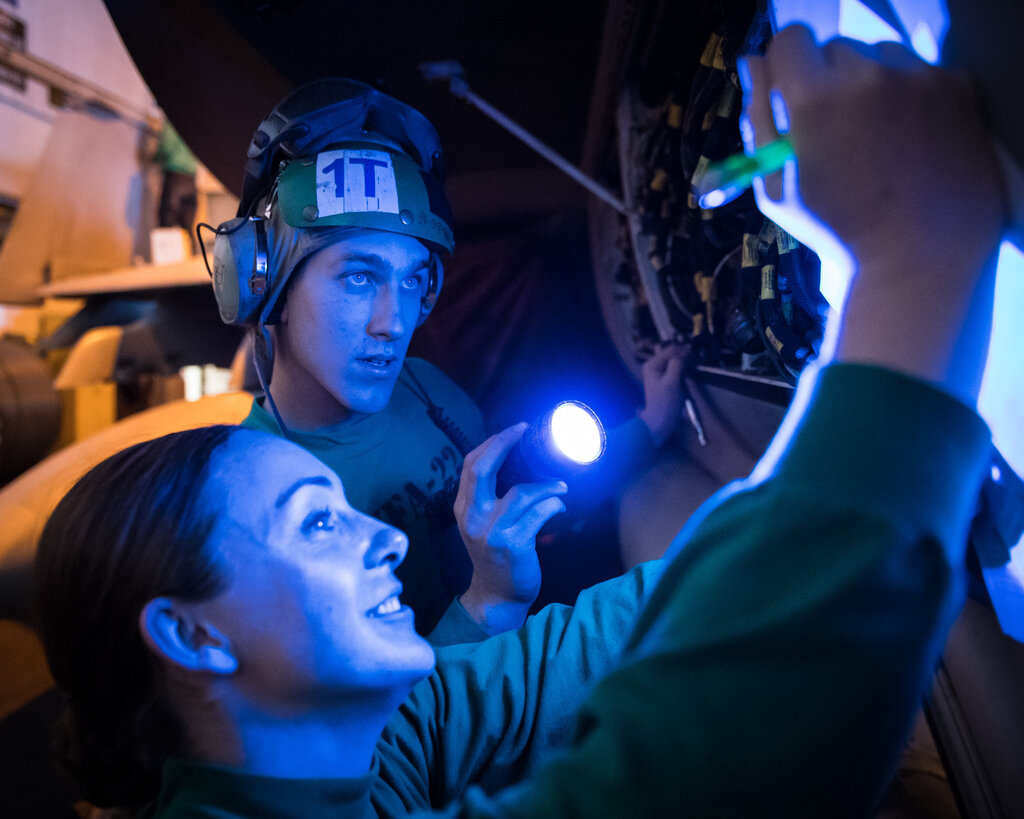
An avionics engineer is responsible for the entire lifecycle of these electronic systems. They design, develop, test, and maintain the equipment that makes modern flight possible. Their work ensures that every component functions perfectly, from a single sensor to the entire autopilot system.
Key responsibilities include designing new avionics systems, integrating them into aircraft, performing rigorous testing to meet safety standards, and troubleshooting issues that arise during operation.
This role demands a deep understanding of electrical engineering, computer science, and aeronautics. It's a job that requires precision and a commitment to safety, as millions of passengers rely on the integrity of their work.
Core Avionics Systems
Avionics systems can be grouped into three main categories.
Instruments and Displays: These are the pilot's eyes and ears. Glass cockpits with digital screens have replaced old analog gauges. A Primary Flight Display (PFD) shows critical information like airspeed, altitude, and the aircraft's attitude (its orientation relative to the horizon).
Navigation Systems: These systems answer the question, "Where are we?" The Global Positioning System (GPS) is the most familiar, but aircraft also use Inertial Navigation Systems (INS) that track movement using accelerometers and gyroscopes. Flight Management Systems (FMS) combine data from these sources to automate the flight path.
Communication Systems: Pilots need to talk to air traffic controllers, other aircraft, and their airline's operations center. This is handled by a suite of radios operating on different frequencies, such as VHF for short-range voice communication and HF for long-range, trans-oceanic flights. Data links also allow the aircraft to send and receive text-based messages and system health reports automatically.
Becoming an Avionics Engineer
The path to becoming an avionics engineer typically starts with a bachelor's degree in a related field like electrical, electronic, or aerospace engineering. This provides the foundational knowledge of circuits, software, and aerodynamics.
In many countries, including Sri Lanka, engineers who maintain and certify aircraft for flight must be licensed. The regulatory body in Sri Lanka is the Civil Aviation Authority of Sri Lanka (CAASL). For avionics, the key qualification is the B2 license.
B2 license
noun
A category of aircraft maintenance license that authorizes the holder to certify maintenance work performed on avionics and electrical systems.
Holding a B2 license signifies that an engineer has met rigorous standards of knowledge and experience. It allows them to sign off on work, declaring that the aircraft's electronic systems are airworthy. This license is a crucial step for anyone wanting a hands-on career in aircraft maintenance.
Ready to check your understanding?
The term "avionics" is a portmanteau, blending which two words?
Which of the following is a core responsibility of an avionics engineer?
Avionics engineering is a dynamic field that is central to the safety and progress of modern aviation. It combines principles from multiple engineering disciplines to create the sophisticated systems that guide aircraft through the skies.