Aviation SMS for Gambia International Airlines
Introduction to SMS
What Is a Safety Management System?
A Safety Management System, or SMS, is an organized approach to managing safety. Think of it less as a rulebook and more as a company's ongoing commitment to making safety a part of every decision, every day.
Its main purpose is to be proactive, not reactive. Instead of only investigating after an incident happens, an SMS helps us continuously look for potential hazards and fix them before they cause a problem. It’s the difference between checking your vehicle's tires before a long journey and waiting for a flat tire on the highway.
The goal of an SMS is to manage safety risks systematically, creating a safer environment for everyone: employees, passengers, and partners.
The Four Pillars of SMS
An effective SMS is built on four core components, often called pillars. Each pillar supports the others to create a strong, comprehensive system for managing safety.
Here’s a breakdown of what each pillar means for us at Gambia International Airlines:
| Pillar | What It Is |
|---|---|
| Safety Policy | This is our formal commitment to safety. It sets the standards, defines who is accountable for safety, and establishes the overall structure for the SMS. It’s the foundation for everything else. |
| Safety Risk Management (SRM) | This is the proactive part. We identify potential hazards in our daily work, assess the risks associated with them, and then develop controls to reduce those risks to an acceptable level. |
| Safety Assurance (SA) | This pillar ensures our safety controls are working as intended. Through audits, inspections, and employee reporting, we continuously monitor our performance and make adjustments when needed. |
| Safety Promotion | This involves training, communication, and fostering a positive safety culture. It’s about ensuring everyone understands their role in safety and feels empowered to speak up about potential issues. |
Why SMS Matters in Ground Handling
The ramp is a complex, fast-paced environment. Baggage handling, aircraft marshaling, fueling, and catering all happen in close proximity, creating unique safety challenges. Implementing an SMS in our ground handling operations isn't just about following rules; it brings real, tangible benefits.
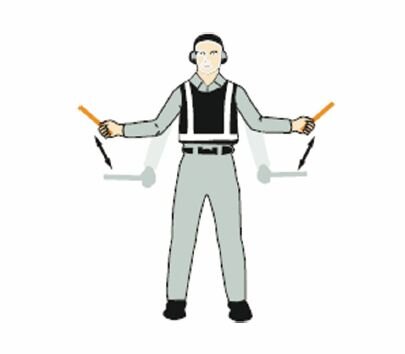
A strong SMS leads to improved risk management. By identifying hazards before they cause incidents, we protect our team members and the aircraft we service. This reduces injuries, prevents damage to equipment, and avoids costly delays.
It also boosts operational efficiency. When processes are designed with safety in mind, they are often clearer and more streamlined. Fewer incidents mean fewer disruptions, helping us maintain on-time performance.
Most importantly, an SMS helps build a strong safety culture. It transforms safety from a top-down mandate into a shared responsibility. When everyone is actively looking out for hazards and feels comfortable reporting them, we create a workplace where safety is truly valued by all.