Aviation Security Fundamentals
Introduction to Aviation Security
Security vs. Safety
When we talk about flying, the words "safety" and "security" are often used interchangeably, but they mean very different things. Aviation safety is about preventing accidents. It deals with things like mechanical failures, pilot error, and bad weather. Think of it as protecting aircraft from unintentional harm.
Aviation security, on the other hand, focuses on preventing intentional acts of harm. Its goal is to protect passengers, crew, and aircraft from acts of unlawful interference, such as terrorism, sabotage, hijacking, and other criminal acts.
Safety is about preventing accidents. Security is about preventing attacks.
A simple way to remember the difference is to think about a car. Safety involves making sure the brakes work and the tires are properly inflated. Security is locking the doors to stop someone from stealing it.
How Security Evolved
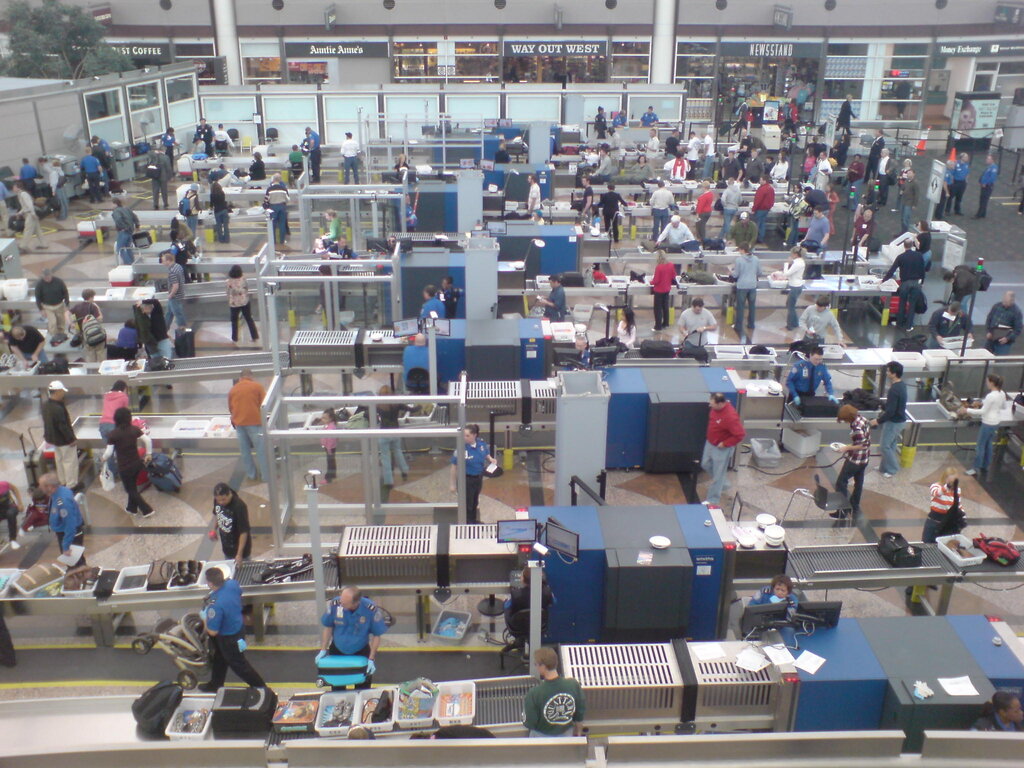
Modern airport security didn't appear overnight. It evolved over decades in response to changing threats. In the early days of commercial flight, security was minimal. Hijackings were rare and often ended without violence, sometimes with the hijacker seeking political asylum or a ransom.
As the world changed, so did the nature of the threats. Terrorism introduced a new, more violent motive: causing mass casualties and fear. This shift forced the aviation industry and governments worldwide to rethink their approach. Security moved from being a minor concern to a top priority. Each new threat prompted new layers of defense, creating the complex system we see today.
Setting Global Standards
A flight from Paris to New York is only as secure as its weakest link. If security is lax in one country, it creates a vulnerability for the entire global aviation network. To address this, international cooperation is essential.
The key organization in this effort is the International Civil Aviation Organization (ICAO), a specialized agency of the United Nations. ICAO's mission is to ensure the safe, secure, and orderly growth of international civil aviation.
ICAO establishes global standards and recommended practices that its member states agree to follow. For security, these standards are laid out in a crucial document known as Annex 17 to the Convention on International Civil Aviation. This annex provides a framework for countries to develop their own national aviation security programs, ensuring a consistent baseline of security measures across the world. While ICAO sets the standards, it's up to each individual country to implement and enforce them.
Now, let's test your understanding of these core concepts.
Which of the following scenarios is primarily an issue of aviation SAFETY, not security?
The primary goal of aviation security is to prevent accidents caused by pilot error or bad weather.
Understanding the foundation of aviation security helps explain why we have the procedures we do. It's a global effort to protect against intentional threats, constantly adapting to new challenges.