Aviation Psychology and Human Performance
Cognitive Load Management
The Cockpit as a Cognitive Arena
An aircraft cockpit is a storm of information. Alarms, radio calls, instrument readings, and the view outside the window all compete for a pilot's attention. To manage this, the brain uses a filtering system known as the Information Processing Model. It's not a single step, but a flow: sensory input is briefly held, filtered for relevance, processed in working memory, and finally stored in long-term memory.
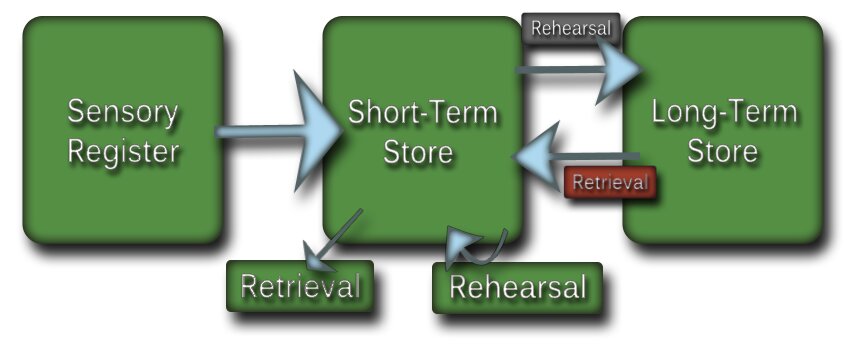
Think of sensory memory as a very short-lived buffer. For a fraction of a second, it holds everything—the hum of the engine, the flicker of a warning light, the voice of air traffic control. Selective attention acts as the gatekeeper, deciding which of these signals are important enough to pass into working memory. During a critical phase like landing, a pilot's attention must be sharply focused on airspeed and altitude, deliberately ignoring less critical alerts.
This filtering isn't always perfect. The brain prioritises what it expects to be important, which can sometimes lead to missing unexpected but critical information.
Once information gets through the gate, it enters working memory. This is the brain's temporary workspace, where we actively process information. The challenge is its limited capacity. Most people can hold about in their working memory at once. In the high-stress environment of a cockpit, this capacity shrinks even further. Trying to monitor fuel levels, communicate with ATC on two different frequencies, and run a pre-landing checklist can quickly overwhelm this mental workbench.
When the System Overloads
Cognitive load isn't just one thing. It's useful to break it down into three types:
Intrinsic Load is the inherent difficulty of the task. Flying in clear weather is less intrinsically complex than navigating a thunderstorm.
Extraneous Load is the mental effort wasted on irrelevant factors. A poorly designed cockpit display or a non-standard radio call adds extraneous load without helping the pilot fly the plane.
Germane Load is the effort that goes into deep processing and learning—building a mental model of the flight. This is the 'good' kind of load.
The goal is to manage the total load so it doesn't exceed working memory's capacity. When it does, performance breaks down.
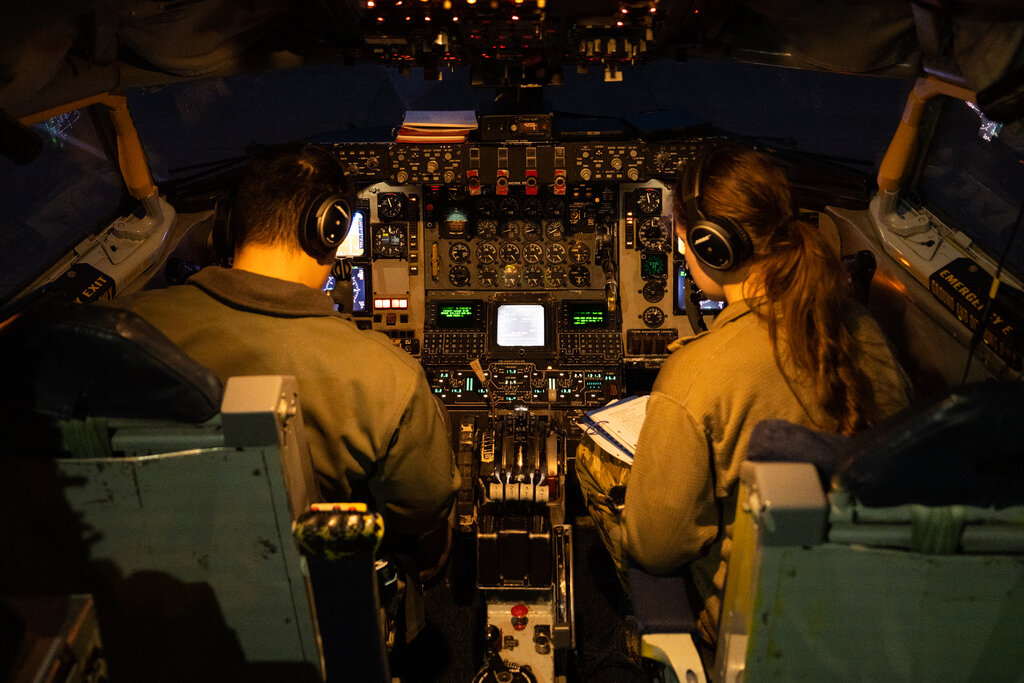
When a pilot's working memory is full, they reach a state of —there is simply too much information to process effectively. This can lead to a dangerous phenomenon called , where the pilot focuses on one instrument or problem to the exclusion of all others. They might fixate on a minor mechanical issue while ignoring critical altitude warnings. It's like looking through a narrow tube; all peripheral information disappears.
Similarly, multitasking in the cockpit comes with a price. Every time a pilot switches between tasks—for example, from flying the plane to communicating with the cabin crew—there is a 'switching cost.' This is a brief moment of mental re-calibration that slows down performance and increases the chance of errors. In aviation, even a fraction of a second can be critical.
Understanding these cognitive limits is central to modern aviation safety. Cockpit design, training procedures, and crew resource management are all built around one core idea: keeping the pilot's cognitive load within manageable limits, especially when things go wrong.
Ready to test your knowledge on cognitive load in the cockpit?
According to the Information Processing Model, what is the correct sequence for how a pilot's brain handles information?
A pilot is flying a modern aircraft but finds the layout of the new touch-screen display confusing and difficult to use, requiring extra mental effort to find basic information. What type of cognitive load does this poorly designed interface represent?
By understanding the brain's processing limits, we can design better systems and training to support pilots in one of the most demanding jobs on earth.