Aviation Ground Operations Essentials
Aircraft Handling and Safety
Life on the Ramp
The airport ramp, also known as the apron, is the bustling parking lot for aircraft. It's where planes are serviced, loaded, and prepared for their next journey. As a ground crew member, this is your office. Your primary job is to ensure every aircraft is handled safely and efficiently, acting as the critical link between the plane on the ground and its journey in the sky.
On the ramp, safety isn't just a rule; it's the foundation of every single task.
Every movement and action is choreographed to prevent accidents. The environment is loud and potentially dangerous, with massive aircraft, powerful engines, and a constant flow of vehicles. Situational awareness is key. You must always know what's happening around you.
The Language of Marshalling
How do you talk to a pilot in a noisy cockpit from 50 yards away? You use a silent, precise language: aircraft marshalling. Marshallers guide aircraft safely to and from the gate or parking stand using a set of standardized hand signals. Clarity is everything; a misunderstood signal can lead to a collision.
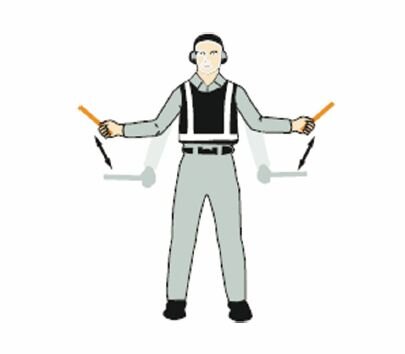
While there are dozens of signals, a few are fundamental to daily operations. The marshaller always maintains eye contact with the pilot to ensure the signals are seen and understood. Let's look at some of the most common ones.
| Signal | Description |
|---|---|
| Stop | Arms extended and crossed above the head. |
| Set Brakes | Arm raised with a clenched fist. |
| Straight Ahead | Arms bent, waving hands inward toward the body. |
| Turn Left/Right | One arm points straight up, the other gestures in the direction of the turn. |
| All Clear | Right arm raised with a thumbs-up gesture. |
Conduct pre-flight safety checks and briefings
Ramp Safety and Equipment
The ramp is an environment of controlled risk. Two of the biggest hazards are jet blast and engine ingestion. Understanding the safety zones around an aircraft is non-negotiable.
jet blast
noun
The high-velocity exhaust from a jet engine, which can be powerful enough to knock over people, equipment, and even other vehicles.
Beyond avoiding these zones, ground support equipment (GSE) must be operated with precision. This includes everything from the tug that pushes the aircraft back from the gate to the belt loaders that carry baggage. Each piece of equipment requires specific training to operate safely around a multi-million dollar aircraft.
Before an aircraft can depart, there's a final, crucial interaction. The ground crew and flight crew must communicate to confirm the plane is ready. This often involves a verbal confirmation and a visual signal, like the marshaller's "all clear" thumbs-up, once the jet bridge has retracted and all ground equipment is clear of the aircraft.
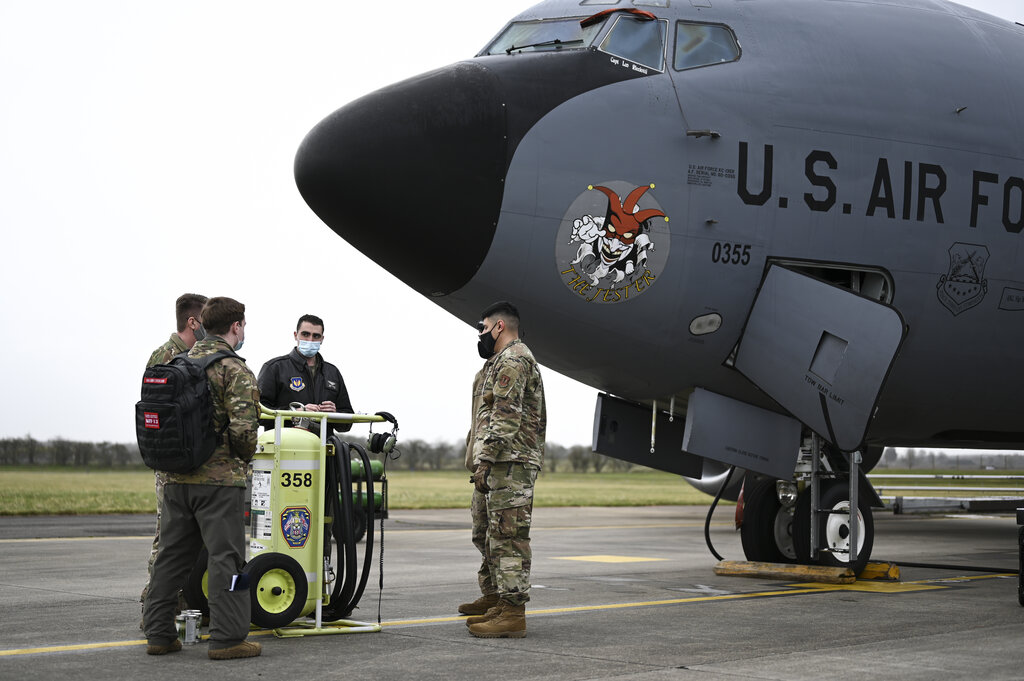
A simple checklist is often used to ensure nothing is missed during pushback and departure. Has the ground power been disconnected? Are all access panels closed and latched? Is the pushback tug properly connected? Verifying these items through direct coordination ensures a safe departure every time.
What is the primary function of the airport ramp, also known as the apron?
Why are standardized hand signals (aircraft marshalling) used to communicate with pilots on the ramp?
Mastering these core duties is the first step toward a successful career in aviation ground operations.