Avian Wonders of San Carlos Costa Rica
San Carlos Ecosystems
Where Rainforest Meets Volcano
The San Carlos region of Costa Rica is a landscape of transitions. It’s where the flat, humid Northern Lowlands begin to climb into the foothills of the Tilarán Mountain Range, creating a rich tapestry of ecosystems. This area is defined by its humid tropical forest character, consistently warm and wet, which supports an explosive diversity of life, especially birds.
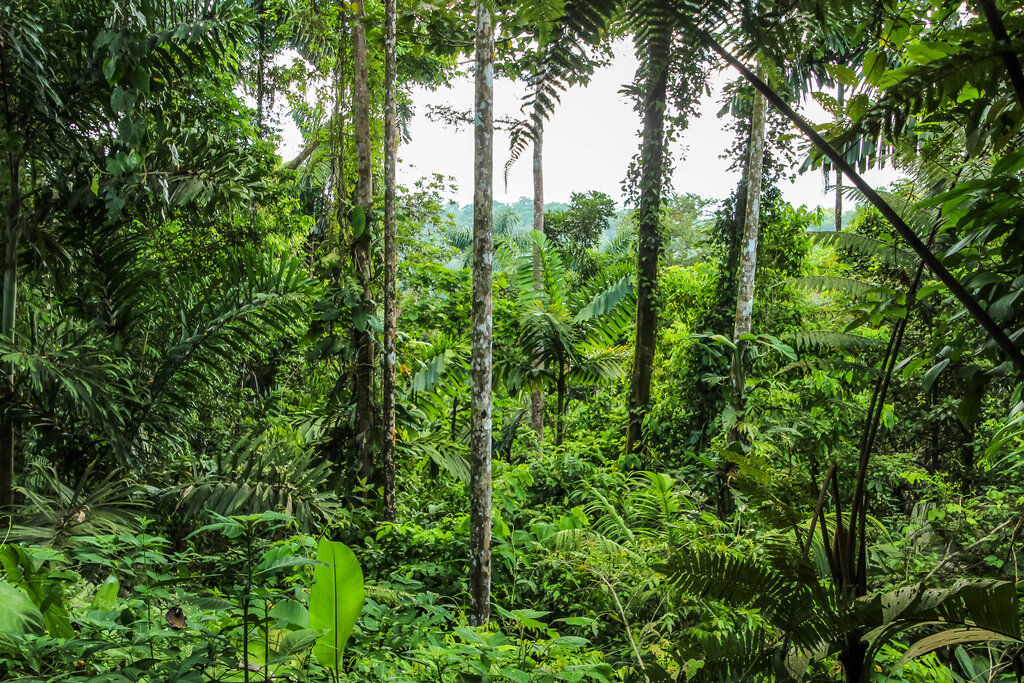
Unlike the seasonal dry forests on Costa Rica's Pacific slope, San Carlos receives significant rainfall year-round. This constant moisture is a key driver of the region's biology. Abundant water and stable temperatures mean that plant life is lush and perennial, providing a reliable, year-round food source for birds. This results in less pressure for long-distance migration and encourages complex, localized behaviors tied to the flowering and fruiting of specific plants.
The Influence of Altitude
The defining feature of this region is the presence of the Arenal Volcano and its surrounding foothills. As the land rises from the lowlands, it creates a distinct altitudinal gradient where temperature and rainfall patterns change with elevation. Even a few hundred meters of elevation can create a completely different microclimate, and with it, a different suite of resident birds.
For example, areas around La Fortuna, sitting at the base of the volcano, occupy a key transition zone. Here, you can find species typical of the lowlands coexisting with those usually found at middle elevations. As you move east toward the Sarapiquí border, the terrain flattens, and the influence of the foothills diminishes. The bird communities here are more characteristic of the classic Caribbean lowlands, with a higher density of fruit-eating birds like toucans and oropendolas that thrive in the expansive forest canopy.
The intersection of lowland and foothill habitats creates 'edge effects,' where species from both environments can overlap, leading to exceptionally high local biodiversity.
Rainfall and Bird Behavior
The persistent rainfall in San Carlos, driven by moisture from the Caribbean Sea, has a profound effect on bird activity. Unlike the Pacific slope, which has a distinct dry season from December to April, the San Carlos region’s
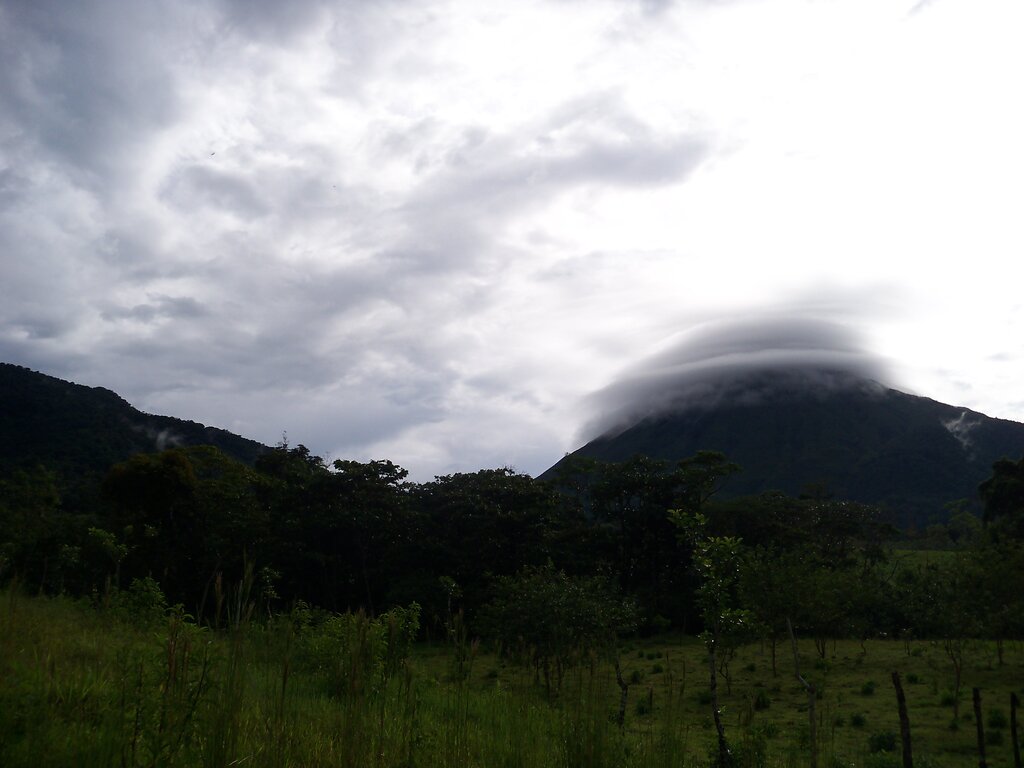
drier period is less severe and shorter. This dictates the timing of breeding, molting, and foraging.
| Region | Dominant Weather Pattern | Impact on Bird Activity |
|---|---|---|
| San Carlos (Caribbean Slope) | Consistently humid; short, less severe dry spells. | Breeding seasons are often longer and more staggered. Food is available year-round. |
| Guanacaste (Pacific Slope) | Distinct dry season (Dec-Apr) and wet season. | Breeding is tightly synchronized with the start of the rainy season when insects boom. |
During the heaviest rains in San Carlos, typically from May to December, insect activity can be suppressed, and foraging becomes more difficult. Many birds will reduce their activity, seeking shelter in dense foliage. Conversely, a brief period of sunshine after a downpour can trigger a frenzy of activity as birds emerge to feed on insects and drying fruit. This creates a rhythm of daily life tied directly to short-term weather changes rather than long-term seasonal shifts.
Time to check your understanding of these unique transition zones.
What is the primary climatic characteristic of the San Carlos region that distinguishes it from Costa Rica's Pacific slope?
How does the constant moisture and stable temperature in the San Carlos region directly impact the behavior of local bird populations?
The San Carlos region is a living laboratory for observing how subtle shifts in climate and geography can create a mosaic of life. By understanding the interplay of rainfall and altitude, we can better appreciate the specific adaptations that allow so many bird species to thrive in this dynamic corner of Costa Rica.