Autonomous Weeding Robot Construction
Introduction to Agricultural Robotics
From Plow to Precision
For thousands of years, farming was defined by human and animal muscle. People tilled fields, planted seeds, and harvested crops by hand, with help from animals pulling simple plows. This process was slow, strenuous, and limited the amount of food a single farmer could produce.
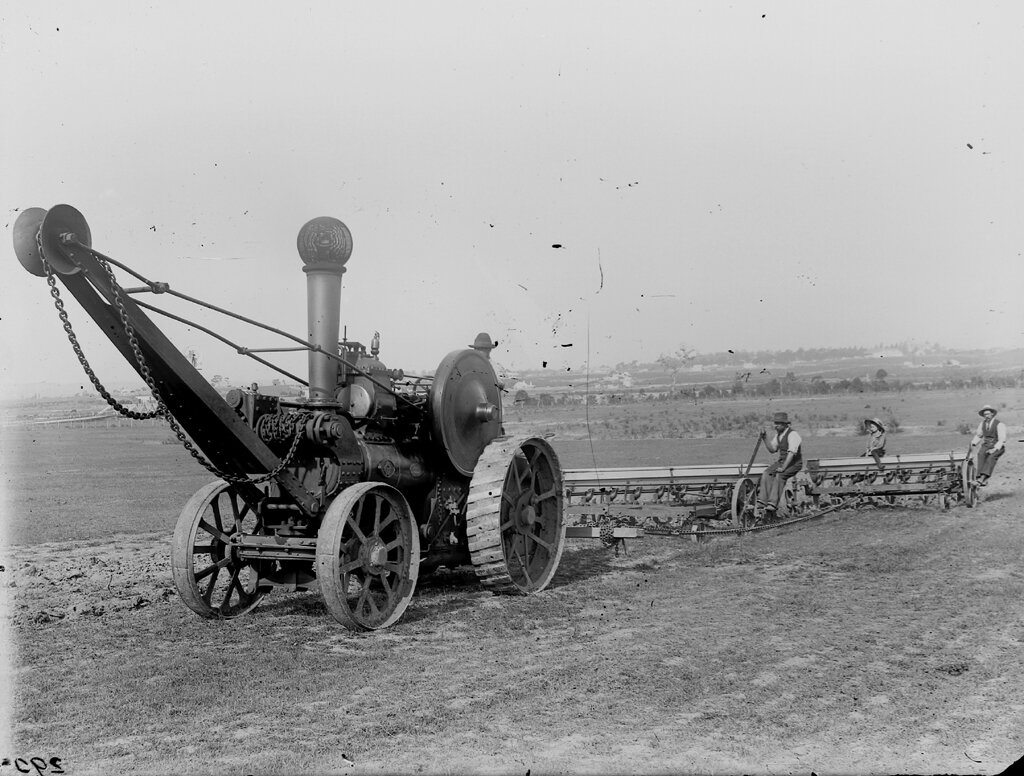
The Industrial Revolution introduced steam-powered tractors, changing the scale of agriculture forever. These machines could do the work of many people and animals, but they were bulky and difficult to manage. The 20th century brought gasoline-powered tractors, which were more powerful and versatile. Farming became more efficient, but the basic approach was the same: bigger, stronger machines covering more ground.
Today, we're in the middle of another major shift. The focus is no longer just on size and power, but on intelligence and precision. Modern agriculture uses technology like GPS, sensors, and data analytics to make farming smarter, not just harder. This sets the stage for the next logical step: automation.
The Rise of Smart Farming
Automation in agriculture means using machines and robots to perform tasks with minimal human oversight. This goes beyond a tractor that simply drives itself in a straight line. We're talking about a system of interconnected devices that can analyze the environment and make decisions on their own.
Imagine a machine that knows exactly how much water a specific plant needs, or one that can apply fertilizer only where it's required, down to the square inch. This is the core of smart farming.
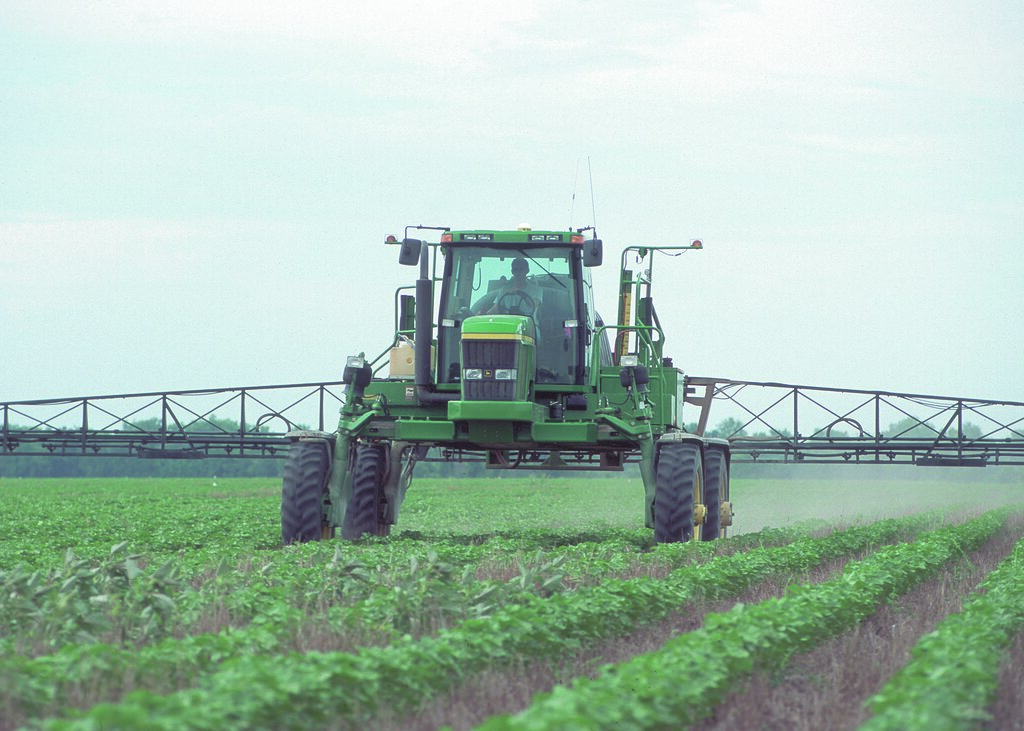
The benefits are enormous. By using resources more efficiently, farmers can increase their crop yields while reducing costs. Precise application of water, pesticides, and fertilizers means less waste and a smaller environmental footprint. Automation also helps address labor shortages, a growing problem in the agricultural sector worldwide.
It allows farmers to manage their land more effectively, making data-driven decisions that improve both productivity and sustainability.
Smart farming is about doing more with less. Robots and automation help produce more food using fewer resources, from water and fertilizer to human labor.
Robots in the Field
So what do these agricultural robots, or "agbots," actually do? They're designed for a wide range of specific, often repetitive, tasks. Instead of one machine that does everything, farms are beginning to use teams of specialized robots.
Some of the most common applications include:
- Planting and Seeding: Autonomous drones and ground robots can plant seeds at precise depths and spacing, ensuring each plant has the optimal conditions to grow.
- Weeding: Vision-guided robots can travel through crop rows, identify weeds, and remove them mechanically or with a targeted micro-dose of herbicide. This reduces the need for broadcast spraying.
- Harvesting: This is one of the biggest areas of development. Robots are being built to gently pick delicate produce like strawberries, apples, and lettuce, tasks that have traditionally been very difficult to automate.
- Monitoring: Drones equipped with advanced cameras and sensors fly over fields to monitor crop health, identify areas of stress from pests or lack of water, and create detailed maps for farmers.
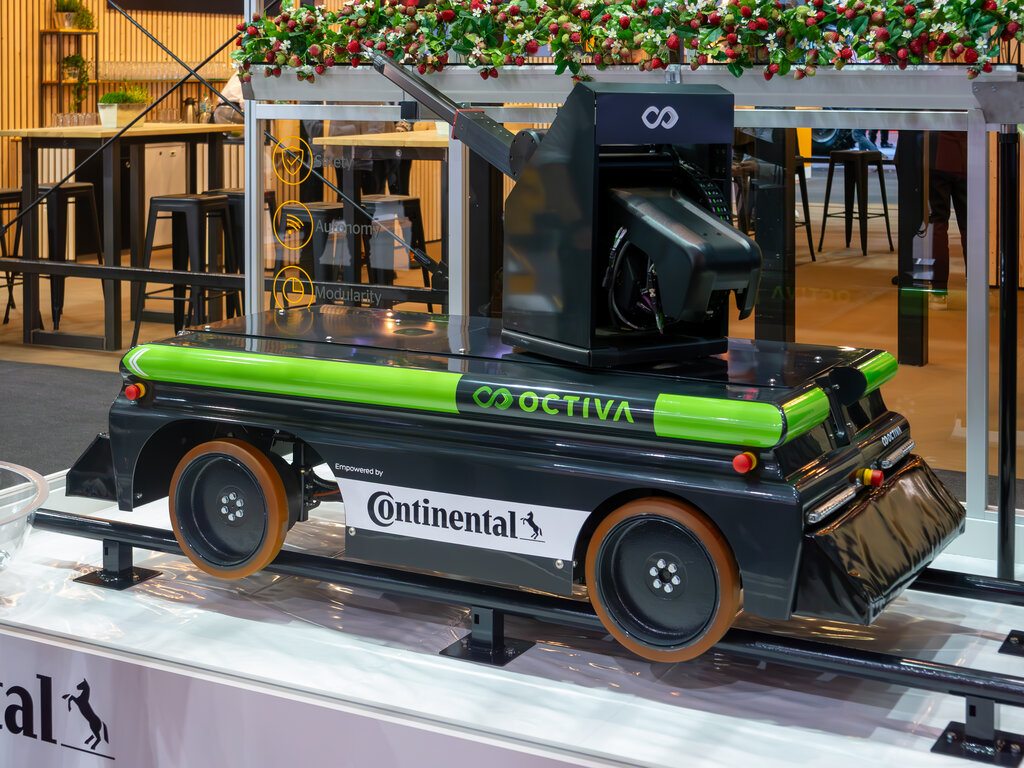
Bumps in the Road
Building a robot that works in a clean, predictable factory is one thing. Building one that can thrive in a muddy, unpredictable field is another entirely. Agricultural robotics faces a unique set of challenges.
Farms are complex environments. Robots must be able to navigate uneven terrain, deal with changing weather conditions like rain and intense sun, and operate in dusty or wet settings. They also need to be robust enough to withstand the rigors of farm work.
Another major hurdle is variability. Unlike factory parts, no two strawberries or heads of lettuce are exactly the same. A harvesting robot must be able to identify which fruit is ripe and which isn't, then handle it gently without causing damage. It needs to distinguish a crop from a weed, even when they look similar and are growing intertwined.
Finally, these robots need to be affordable and easy for farmers to use and maintain. The technology has to provide a clear return on investment to be adopted widely.
To that end, the students are creating a small weeding robot that can drive through fields, using computer vision and AI technology to autonomously identify weeds from crops and a mechanical arm to pluck them out of the ground.
Despite these challenges, progress in agricultural robotics is accelerating. As technology in AI, computer vision, and sensor technology improves, so will the capabilities of robots in the field. Let's test your understanding of these concepts.
What was the primary limitation of farming before the Industrial Revolution?
How does the current shift towards 'smart farming' differ from the changes brought by the Industrial Revolution?
From the simple plow to intelligent, autonomous machines, the evolution of farm technology continues to shape how we grow our food.