Autonomous Leadership with AI Agents
Introduction to Autonomous Leadership
A New Way to Lead
Imagine a ship's captain who, instead of shouting every single command, gives the crew a destination, a map, and the training to navigate storms. The captain trusts them to handle the sails and rudder. This is the core idea behind autonomous leadership. It’s not about absence; it’s about empowerment.
Autonomous leadership is a style that gives individuals and teams the freedom to manage their own work and make independent decisions. The leader's job shifts from micromanaging tasks to defining clear goals and providing the necessary resources and support. This approach builds a culture of trust and responsibility, where every team member feels like an owner of their work.
Autonomy isn't about working alone. It's about having the authority to make decisions about your work.
In today's fast-changing markets, waiting for approvals to travel up and down a chain of command is too slow. Autonomous leadership allows organizations to be more agile, adapting quickly to new challenges and opportunities.
From Command to Collaboration
Traditional leadership often follows a top-down, hierarchical model. Think of a classic pyramid structure, where information flows up to leaders and commands flow down to employees. This style values control and predictability.

Autonomous leadership flips this model. It's decentralized and built on collaboration. Instead of a pyramid, picture a network of connected teams, each empowered to act. The leader's role becomes that of a coach or facilitator, focused on removing obstacles and fostering a strong team environment.
| Feature | Traditional Leadership | Autonomous Leadership |
|---|---|---|
| Decision-Making | Centralized at the top | Decentralized within teams |
| Information Flow | Top-down | Open and multi-directional |
| Structure | Hierarchical | Flat or networked |
| Leader's Focus | Directing and controlling | Coaching and empowering |
| Employee Role | Following instructions | Taking initiative |
The Payoff: Speed and Innovation
Giving teams more autonomy isn't just about making them feel good; it delivers concrete business results. When people have the freedom to act, organizations see significant improvements in key areas.
First, decision-making gets better and faster. The individuals closest to a problem usually have the best understanding of it. Empowering them to make the call eliminates bottlenecks and leads to more informed, effective solutions.
Second, it fuels innovation. A culture of autonomy encourages experimentation. When employees don't have to seek permission for every new idea, they are more willing to try different approaches and find creative solutions. It creates an environment where it's safe to take calculated risks.
Autonomous leadership unlocks the collective intelligence of the entire organization, not just those at the top.
Finally, operational efficiency improves. Teams don't waste time waiting for approvals. They can respond to customer needs, fix problems, and seize opportunities in real time. This agility is a powerful competitive advantage.
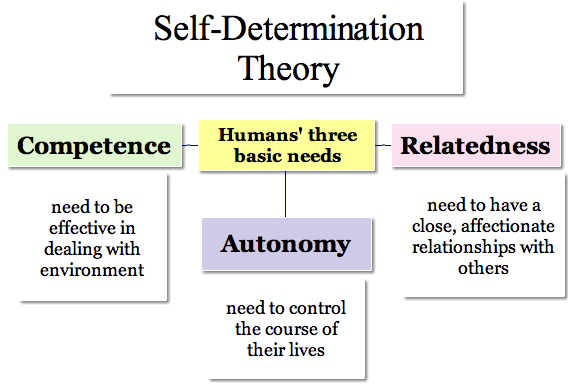
Ultimately, the shift to autonomous leadership is a response to a world that demands more from organizations than just rigid adherence to a plan. It requires adaptability, creativity, and the full engagement of every team member.
Ready to test your knowledge on these leadership styles?