Autonomous Driving Viral Video Creation
Understanding Autonomous Driving
The Road to Self-Driving Cars
A self-driving car, also known as an autonomous vehicle, is a vehicle that can guide itself without human conduction. These cars use a combination of sensors, cameras, radar, and artificial intelligence (AI) to travel between destinations without a human operator. The goal is to create a car that can do everything a human driver can do, but more safely and efficiently.
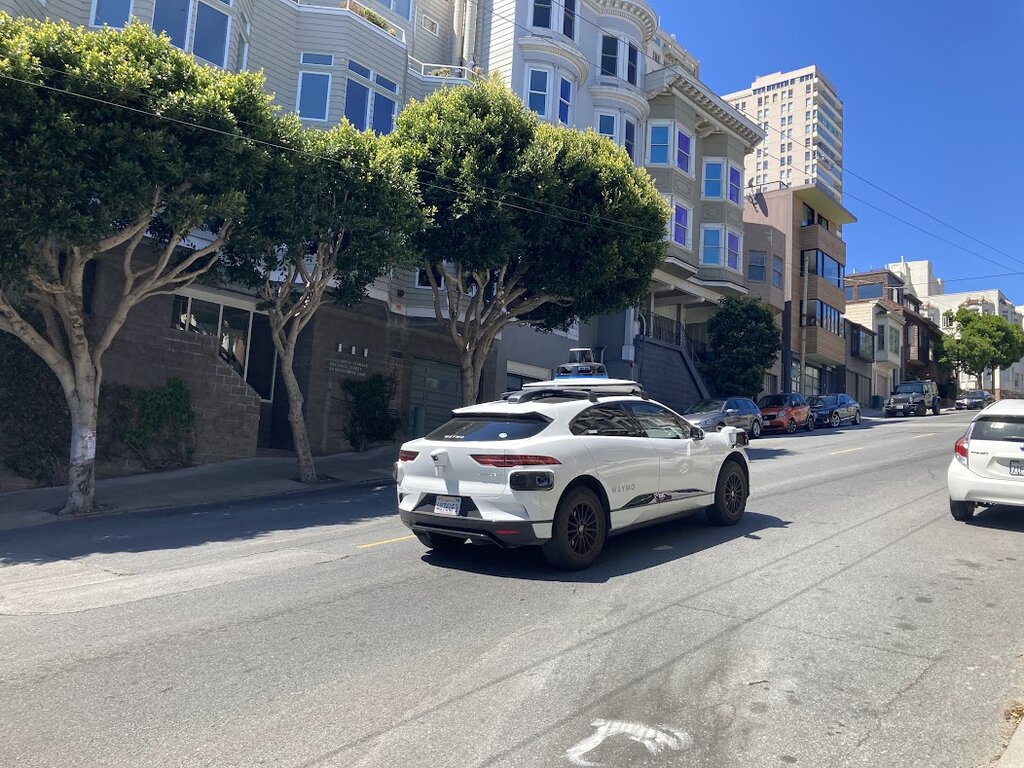
But not all self-driving cars are created equal. The Society of Automotive Engineers (SAE) developed a scale to classify the different levels of driving automation, from Level 0 (no automation) to Level 5 (full automation). This scale helps everyone from engineers to consumers understand a car's capabilities.
| Level | Name | What the Car Handles | What the Human Does |
|---|---|---|---|
| 0 | No Automation | Nothing. | Everything: steering, braking, accelerating. |
| 1 | Driver Assistance | One specific task, like steering or speed control. | All other driving tasks. |
| 2 | Partial Automation | Both steering and speed control simultaneously. | Monitors the system and is ready to take over. |
| 3 | Conditional Automation | All aspects of driving in certain conditions. | Pays attention and takes over when the system requests it. |
| 4 | High Automation | All driving tasks in specific environments (like a city). | Nothing, but only within the car's operational limits. |
| 5 | Full Automation | All driving tasks in all conditions. | Nothing. The human is a passenger. |
Most cars on the road today with features like adaptive cruise control or lane-keeping assist are at Level 1 or 2. True self-driving, where you can read a book or take a nap, doesn't really start until Level 4.
How They See the World
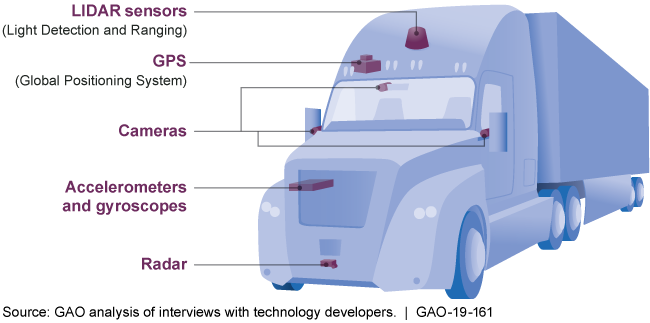
For a car to drive itself, it first needs to understand its surroundings. Autonomous vehicles build a detailed, 3D map of the world around them using a suite of sophisticated sensors. Each sensor has its own strengths and weaknesses, which is why they are used together to create a complete picture.
The main types of sensors are:
- Cameras: These are the "eyes" of the car, providing high-resolution images. They're great for reading road signs and traffic lights.
- Radar: Radar systems use radio waves to detect objects and measure their speed. They work well in bad weather like rain or fog, where cameras might struggle.
- LIDAR (Light Detection and Ranging): LIDAR uses lasers to create a precise, 360-degree 3D map of the environment. This is often the most detailed sensor on the car.
- GPS/IMU: A Global Positioning System (GPS) tells the car where it is in the world, while an Inertial Measurement Unit (IMU) tracks its orientation and movement.
Once the car gathers all this data, it needs to make sense of it. That's where machine learning comes in. Sophisticated algorithms process the sensor data to identify objects like pedestrians, other cars, and cyclists. The system then predicts what those objects might do next. Will that pedestrian step into the street? Is that car about to change lanes? Based on these predictions, the AI plans a safe path forward.
Finally, the car's control system takes the AI's plan and turns it into action by physically steering, accelerating, and braking.
The Road Ahead
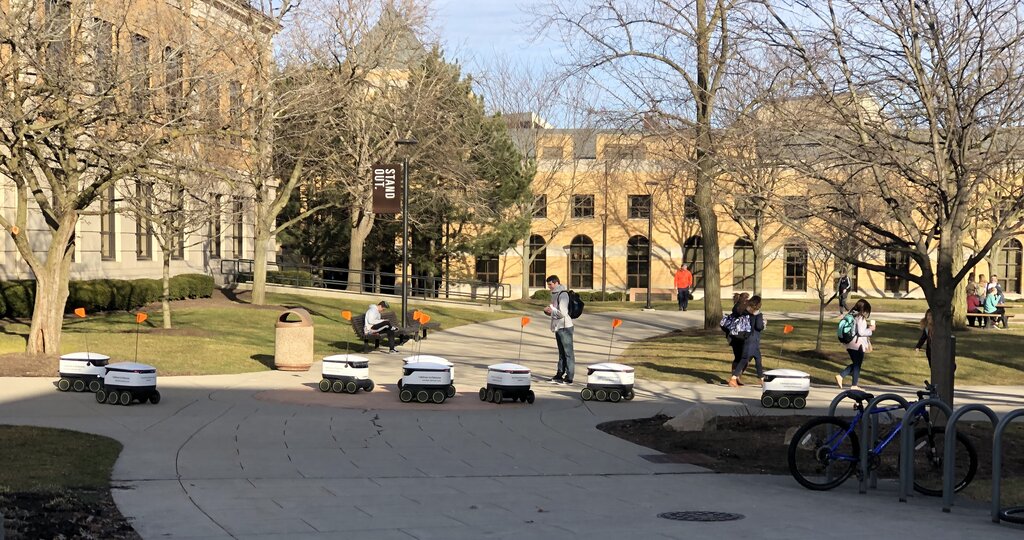
Autonomous vehicles are already here, though not yet in the way many people imagine. You can find them operating as robotaxis in limited areas of some cities, on long-haul trucking routes, and in controlled environments like mines or farms. Companies are testing and slowly expanding these services every year.
However, significant challenges remain. Self-driving cars must be able to navigate rare and unpredictable events, often called "edge cases." Heavy snow or rain can interfere with sensors. Complex urban environments with chaotic traffic and jaywalking pedestrians are incredibly difficult to master. There are also legal and ethical questions to answer, like who is at fault in an accident involving a self-driving car.
While much of the current discourse on autonomous vehicles focuses on technical reliability, traffic flow and regulation, this study shifts the lens towards important aspects of human experience and emotional trust.
Let's review the key terms we've covered.
Now, let's test your understanding of the basics of autonomous vehicles.
Which sensor is most crucial for a self-driving car to create a detailed, 360-degree 3D map of its immediate surroundings?
The Society of Automotive Engineers (SAE) scale for driving automation classifies a car that can perform all driving tasks under all conditions, with no human ever needed, as Level ____.
Solving these challenges will take time, but the technology continues to advance, bringing us closer to a future where our cars do the driving for us.