Autonomic Nervous System and the Vagus Nerve
Autonomic Nervous System
Your Body's Autopilot
Think about all the things your body is doing right now without your conscious effort. Your heart is beating, you're breathing, and your lunch is digesting. You don't have to command these things to happen; they just do. This is the work of your autonomic nervous system (ANS).
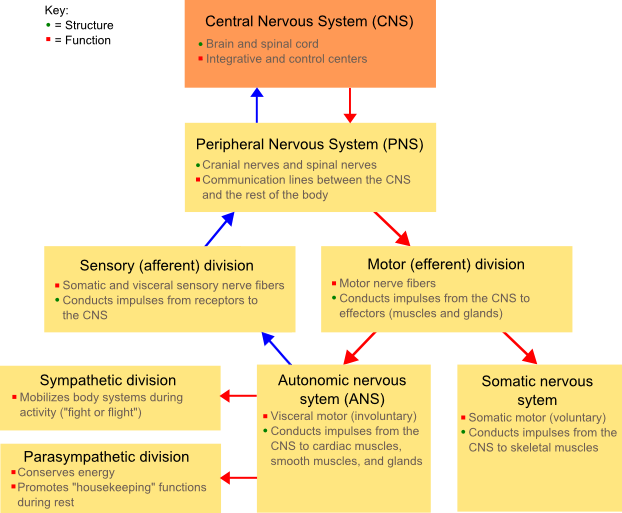
The autonomic nervous system is the part of your peripheral nervous system that controls involuntary actions, keeping your internal environment stable and running smoothly.
It's the ultimate multitasking manager, regulating vital functions from heart rate and blood pressure to body temperature and metabolism. The ANS is part of the larger peripheral nervous system, which connects your brain and spinal cord to the rest of your body.
Two Competing Divisions
The ANS isn't a single entity. It's composed of two main branches that often have opposite effects: the sympathetic and the parasympathetic nervous systems. Think of them like a gas pedal and a brake for your body. They work in tandem to help you respond to your environment and maintain a stable internal state.
The sympathetic division prepares you for action—the classic "fight or flight" response. The parasympathetic division calms you down and handles routine, "rest and digest" functions.
Let's explore what each one does.
The Gas Pedal: Sympathetic
Imagine you're walking in the woods and suddenly come across a bear. Your sympathetic nervous system kicks into high gear instantly. Your heart pounds, your breathing quickens, and your senses sharpen. This is your body preparing to either confront the danger or run away from it.
This system mobilizes your body's resources for emergencies. It redirects blood flow from your digestive system to your muscles, increases your heart rate to pump more oxygen, and dilates your pupils to let in more light. It's all about maximizing your chances of survival in a stressful situation.
| Organ | Sympathetic Response (Fight or Flight) |
|---|---|
| Heart | Increases heart rate and force of contraction |
| Lungs | Dilates airways (bronchioles) to take in more air |
| Pupils | Dilates (widens) to improve vision |
| Digestion | Slows or stops digestion to conserve energy |
| Salivary Glands | Reduces saliva production (dry mouth) |
This response also triggers the adrenal glands to release adrenaline (epinephrine), which further amplifies these effects, giving you a surge of energy and strength.
The Brake: Parasympathetic
Now, imagine you're sitting comfortably after a large, satisfying meal. You feel calm, relaxed, and maybe a little sleepy. This is your parasympathetic nervous system at work. Its job is to calm the body and conserve energy for later.
This division is often called the "rest and digest" system because it's most active during peaceful times. It slows your heart rate, stimulates digestion, and constricts your pupils. It handles the body's housekeeping tasks, like absorbing nutrients and repairing tissues.
| Organ | Parasympathetic Response (Rest and Digest) |
|---|---|
| Heart | Decreases heart rate |
| Lungs | Constricts airways (bronchioles) back to normal |
| Pupils | Constricts (narrows) |
| Digestion | Stimulates digestion and nutrient absorption |
| Salivary Glands | Increases saliva production |
While the sympathetic system prepares you for intense physical activity, the parasympathetic system brings you back to a state of calm and equilibrium.
Maintaining Balance
Most of the time, you aren't fighting a bear or digesting a huge meal. Your body is somewhere in between, in a state of balance known as homeostasis. The sympathetic and parasympathetic divisions work together like a seesaw, making constant, subtle adjustments to maintain this internal stability.
For example, when you stand up quickly, your blood pressure might drop. The ANS senses this and signals the sympathetic system to slightly constrict your blood vessels and increase your heart rate, preventing you from feeling dizzy. This dynamic balance allows your body to adapt to the constant changes of daily life without you even noticing.
This cooperation ensures that your body has the right amount of energy for the task at hand, whether it's running a marathon or taking a nap. It's a finely tuned system that's essential for your overall health and well-being.