Automotive Sensors Explained
Introduction to Automotive Sensors
Your Car Has Senses
Think of a modern car as a living thing. It has a brain—an onboard computer—but how does that brain know what's happening? It relies on senses, just like we do. Automotive sensors are the eyes, ears, and nerve endings of your vehicle. They are small devices that detect physical conditions, like temperature, speed, or pressure, and report that information back to the car's main computer.
Their purpose is simple: to provide a constant stream of data. This data allows the car's systems to make smart, real-time adjustments. Whether it's optimizing fuel consumption, deploying an airbag, or simply turning on a warning light, sensors are the source of the information that makes it all possible.
From Feeling to Signal
At its core, every sensor works by converting a physical measurement into an electrical signal. Imagine dipping your finger in water to check the temperature. You feel that it's hot or cold. A sensor does something similar, but instead of just feeling it, it translates that temperature into a specific voltage or electrical resistance.
This electrical signal is the language the car's computer understands. The computer, often called the Electronic Control Unit (ECU), receives this signal and interprets it. A certain voltage from an oxygen sensor might mean the fuel mixture is too rich, while a rapid change in signal from a wheel speed sensor could indicate a skid. The ECU then uses this information to command other parts of the car to act, like adjusting the fuel injectors or activating the anti-lock brakes.
This fundamental process—detect, convert, transmit—is the same for nearly every sensor in your vehicle, from the simplest to the most complex.
A Car's Nervous System
A typical modern car can have over 100 sensors, each monitoring a specific function. They form a complex network, much like a body's nervous system, ensuring all parts work together smoothly and safely.
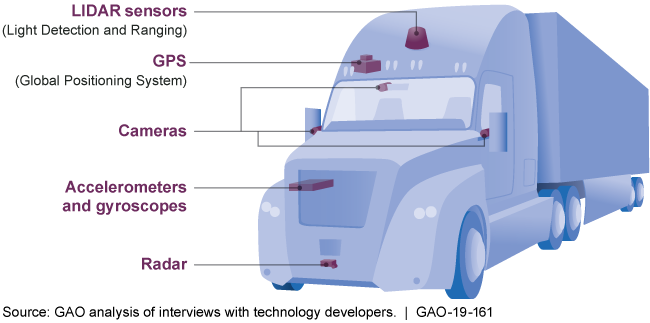
These sensors can be grouped by their purpose. Some are crucial for engine performance, like those monitoring air flow and coolant temperature. Others are dedicated to safety, such as the sensors that detect a collision to deploy airbags or monitor tire pressure. And many are focused on emissions, helping to keep the exhaust clean and meet environmental standards. Each one plays a vital role in making your car efficient, safe, and reliable.
Essentially, sensors are the eyes, ears, and nerves of your vehicle, constantly feeding information to its brain.
Let's review what you've learned about these critical components.
What is the primary function of an automotive sensor?
The car's computer, which receives and interprets signals from sensors, is most commonly called the:
Understanding what sensors do is the first step to understanding how modern vehicles operate.