Automotive Retail Excellence
Industry Overview
The Modern Showroom
The traditional car dealership, with its sprawling lots and high-pressure sales floors, is at a crossroads. For decades, this model dominated automotive retail. Today, it faces immense pressure from new technologies and shifting customer habits. The industry is a mix of massive, publicly traded dealership groups that own hundreds of locations, smaller family-owned businesses, and brand-exclusive showrooms.

Market dynamics are fierce. Competition isn't just between the Ford and Chevy dealers down the street anymore. It's now coming from online car retailers and even directly from manufacturers. Profit margins on new car sales have always been thin, forcing dealers to rely on financing, insurance, and service departments. This complex business model is now being tested like never before.
Clicks Over Bricks
Digital transformation is reshaping how people buy cars. The journey no longer starts on the dealership lot; it starts on a smartphone. A decade ago, the average car buyer visited five dealerships. Today, it's less than two. Why? Because the research happens online.
Customers arrive at the showroom armed with information about pricing, features, and financing options. They've read reviews, compared models, and maybe even taken a virtual tour of the car's interior. This shift forces retailers to be more transparent and efficient.
Successful dealerships are merging their physical and digital storefronts. They offer online tools for trade-in valuations, financing pre-approval, and even home delivery of a new vehicle.
This new consumer expects a seamless experience. They might start building a deal on their laptop at home, text with a salesperson during their lunch break, and then come into the store for a final test drive and signature. The process needs to be smooth, with no dropped balls between the online and offline worlds. Retailers who can't provide this integrated, customer-friendly journey will be left behind.
The Electric Shock
The move toward electric vehicles (EVs) is arguably the biggest disruption to the automotive industry in a century. For stationary retailers, it’s a fundamental shock to the system. Selling an EV is completely different from selling a gasoline-powered car. The conversation isn't about engine size; it's about battery range, charging times, and government incentives.
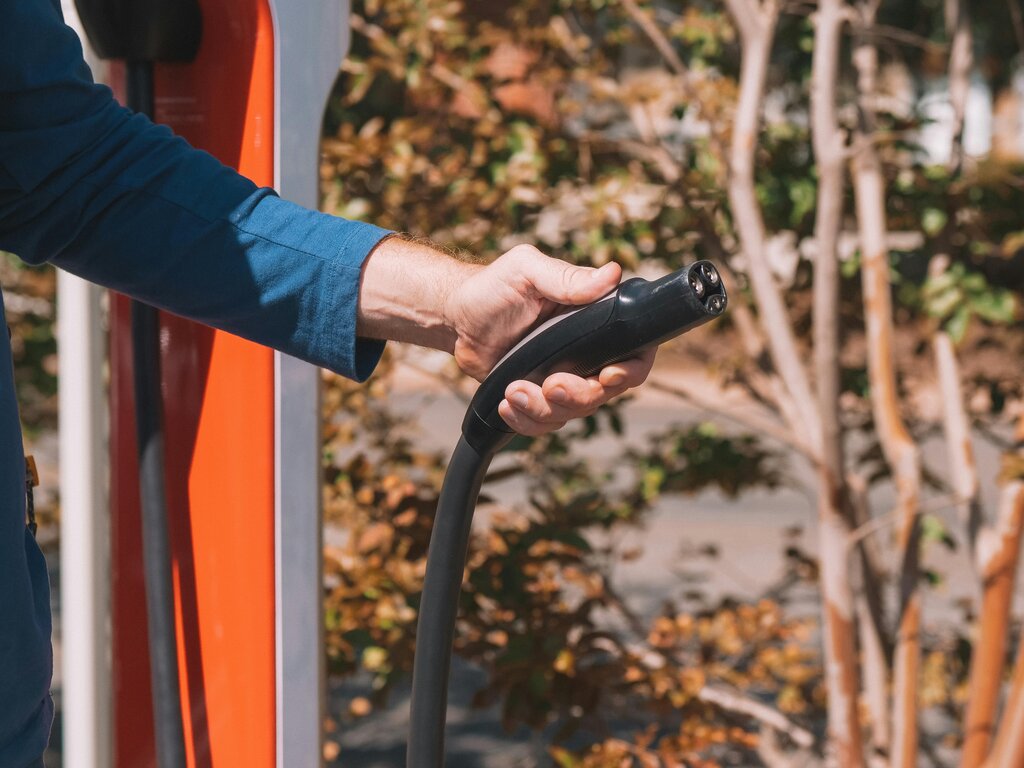
This transition presents both hurdles and opportunities. Dealerships must invest heavily in charging infrastructure for their lots and service bays. Their sales teams need extensive training on a completely new technology, and their technicians must learn how to service high-voltage battery systems.
On the other hand, EVs open up new revenue streams. Dealers can sell and install home charging units, offer battery maintenance packages, and cater to a new, tech-forward demographic. The rise of EV-native brands like Tesla, which often use a direct-to-consumer sales model, also adds a new layer of competition, forcing traditional dealerships to prove their value.
Let's review the key concepts from this overview.
Now, check your understanding of these industry dynamics.
What is the primary reason for the decrease in the average number of dealerships a car buyer visits before making a purchase?
According to the text, where have car dealerships traditionally found their most significant profit margins?
The automotive retail landscape is evolving rapidly. The dealerships that succeed will be those that embrace digital tools, adapt to the electric future, and prioritize a customer experience that is as smooth and modern as the cars they sell.