Automotive Repair and Maintenance Mastery
Shop Safety Protocols
Lifting a Vehicle Safely
The first rule of working on a car is ensuring it can't fall on you. A car can weigh two tons or more, and gravity is unforgiving. Never work under a vehicle supported only by a jack. Jacks are for lifting, not holding. That crucial job belongs to jack stands.
A floor jack lifts the vehicle. A pair of jack stands supports it securely so you can work underneath.
Before you even touch the jack, make sure the car is on a hard, level surface like concrete, not on soft ground or a slope. Put the car in park (or in gear for a manual) and engage the parking brake. For extra security, place wheel chocks behind the wheels that will remain on the ground.
Your car's manufacturer has designated specific, reinforced locations for lifting. Check your owner's manual for the exact spots. These are often on the just behind the front wheels or in front of the rear wheels, or on solid parts of the frame.
Once you've lifted the vehicle high enough with the floor jack, slide the jack stand into place at a designated support point nearby, like the frame rail. Adjust the stand to the correct height and slowly lower the car until its weight rests completely on the stand. Give the car a firm shake to ensure it's stable before ever getting underneath.
Chemical and Fire Safety
Mechanical work involves more than just metal parts. Your car runs on a variety of fluids that can be hazardous to your health and the environment. Always work in a well-ventilated area, like a garage with the door open, to avoid inhaling fumes from gasoline, solvents, and exhaust.
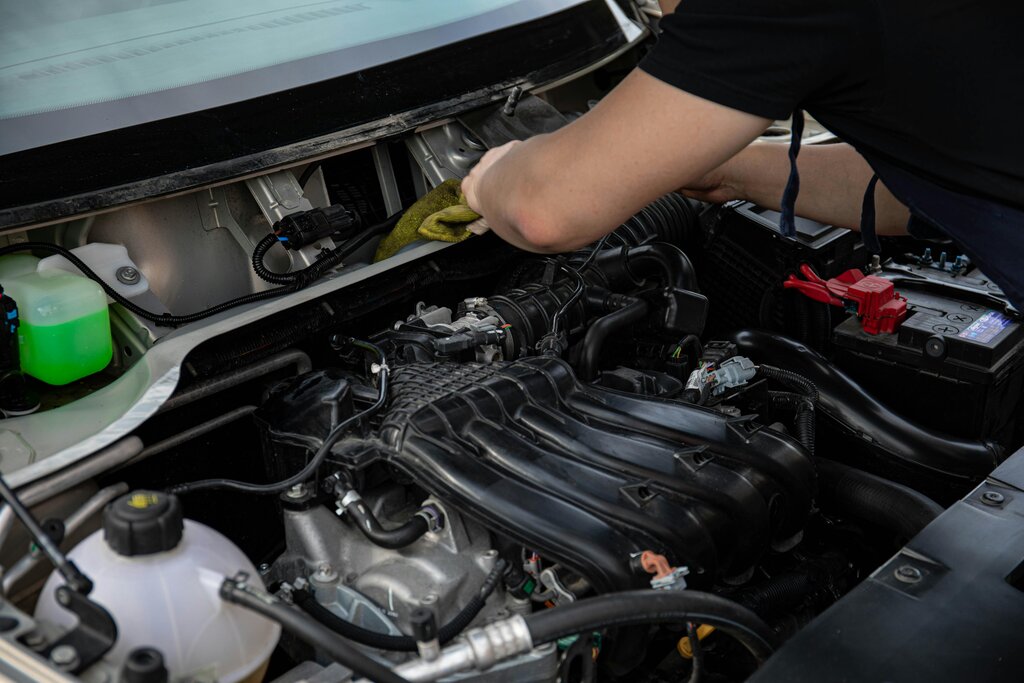
Brake fluid is highly corrosive and will strip paint off your car on contact. It also absorbs moisture from the air, which can be harmful to your skin. Coolant (antifreeze) is toxic if ingested; its sweet smell can attract pets and children, so clean up spills immediately. Used motor oil contains contaminants and should be handled with gloves and disposed of at a proper recycling facility.
Where there are flammable fluids like gasoline and oil, there is always a risk of fire. Never smoke or create sparks near your work area. Keep a fire extinguisher rated for automotive use within easy reach.
| Extinguisher Type | Class Rating | Use Case in a Garage |
|---|---|---|
| Dry Chemical (ABC) | Class A, B, C | Best all-around choice. Handles fires from ordinary combustibles (A), flammable liquids (B), and electrical equipment (C). |
| Carbon Dioxide (CO2) | Class B, C | Effective on liquid and electrical fires. Leaves no residue, but less effective in windy areas. |
| Water (APW) | Class A | Do not use. Ineffective on fluid fires (can spread them) and dangerous on electrical fires. |
Personal Protective Equipment
The final layer of safety is what you wear. Personal Protective Equipment, or PPE, is not optional. It's the barrier between you and injury.
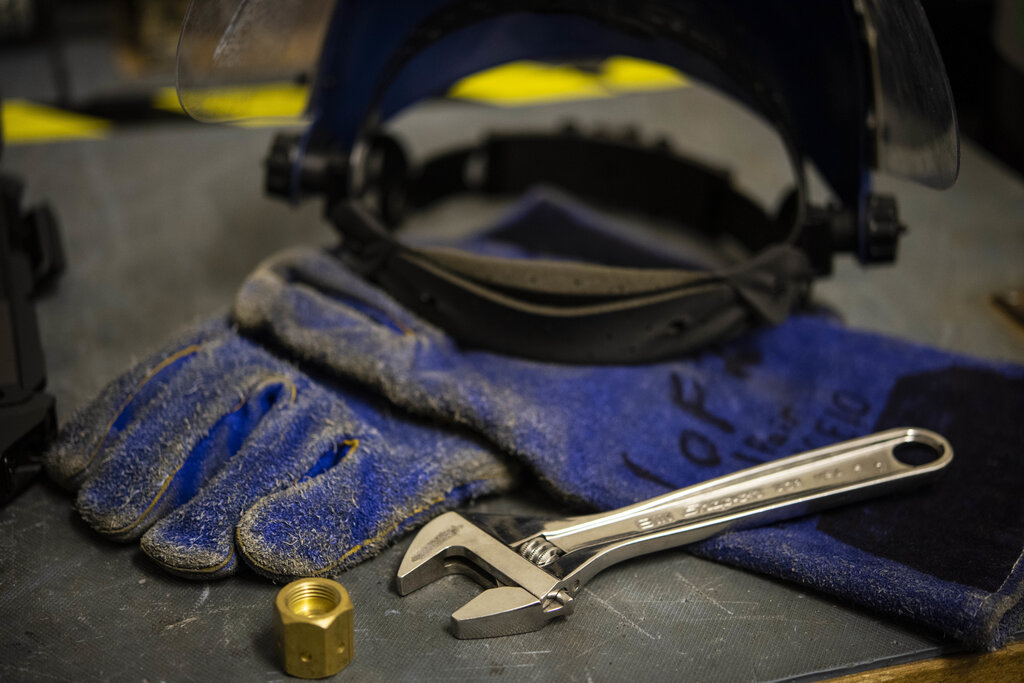
The absolute minimum for any job is safety glasses. Your eyes are irreplaceable, and a flying piece of debris or a splash of brake cleaner can cause permanent damage. Always wear ANSI-rated impact-resistant glasses or goggles.
Gloves are your next essential. Nitrile gloves are great for protecting your skin from oils and chemicals, preventing irritation and keeping your hands clean. For jobs involving heavy parts or sharp edges, like suspension work, switch to thicker mechanic's gloves that offer better protection against cuts and impacts.
Finally, think about your clothing and footwear. Avoid loose clothes or jewelry that can get caught in moving parts. Wear sturdy, closed-toe shoes, preferably with a steel toe, to protect your feet from falling tools or parts.
Routine maintenance and inspections are essential to identify potential equipment failures or hazards before they cause accidents.
Now that you have a framework for working safely, you're ready to tackle hands-on repairs with confidence.