Automotive Fundamentals Explained
Introduction to Automobiles
The Idea of a Car
An automobile is, at its core, a machine that moves itself. The name says it all: auto for self, and mobile for moving. Its purpose is simple: to get people and things from one place to another, without relying on horses or train tracks.
These self-moving machines have reshaped our world, changing how we live, work, and connect with each other. But how do they actually work? The fundamental idea is surprisingly straightforward.
Energy Into Motion
Every car, whether it runs on gasoline or electricity, operates on a basic principle: converting stored energy into motion. For over a century, the most common way to do this has been the internal combustion engine.
Inside an engine, a mixture of fuel and air is ignited in a tiny, enclosed space called a cylinder. This creates a small, controlled explosion that pushes a part called a piston. The piston's up-and-down movement is converted into rotational motion by a crankshaft. Think of it like your leg pushing a bicycle pedal. Your leg moves up and down, but the pedal goes in a circle.
This spinning crankshaft then delivers power through a series of gears and shafts, eventually turning the car's wheels. That's the core idea: tiny explosions, happening thousands of times per minute, create the rotational force that makes a car go.
A Quick Trip Through History
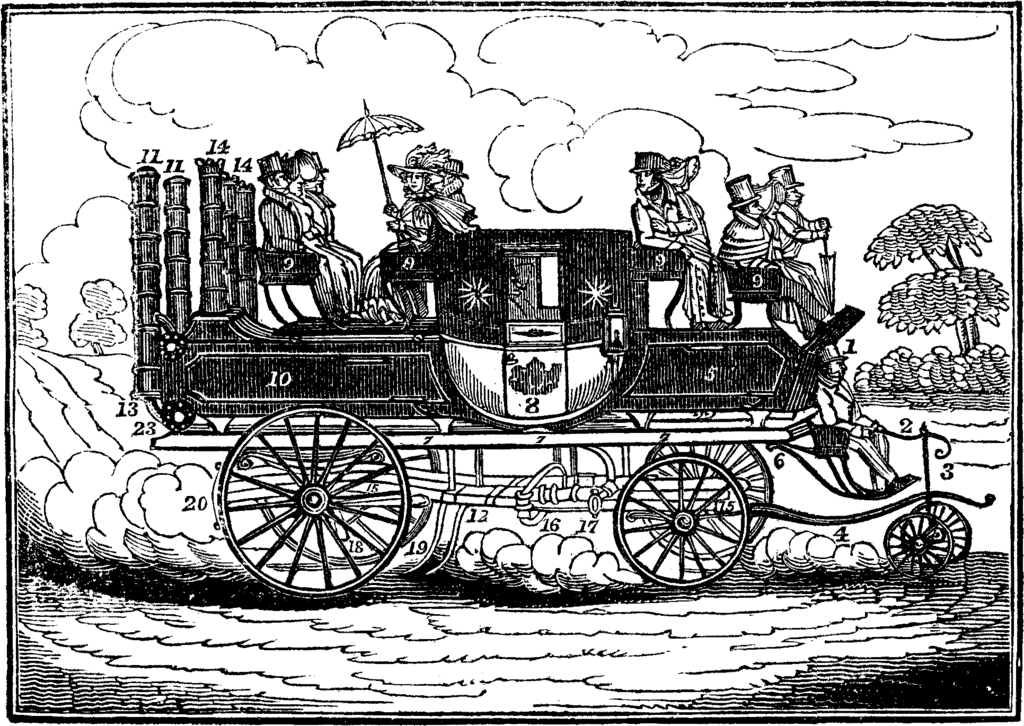
The journey to the modern car was a long one. The first self-propelled vehicles weren't powered by gasoline, but by steam. In the late 1700s and 1800s, inventors created heavy, slow-moving steam carriages. They were fascinating but impractical for personal use.
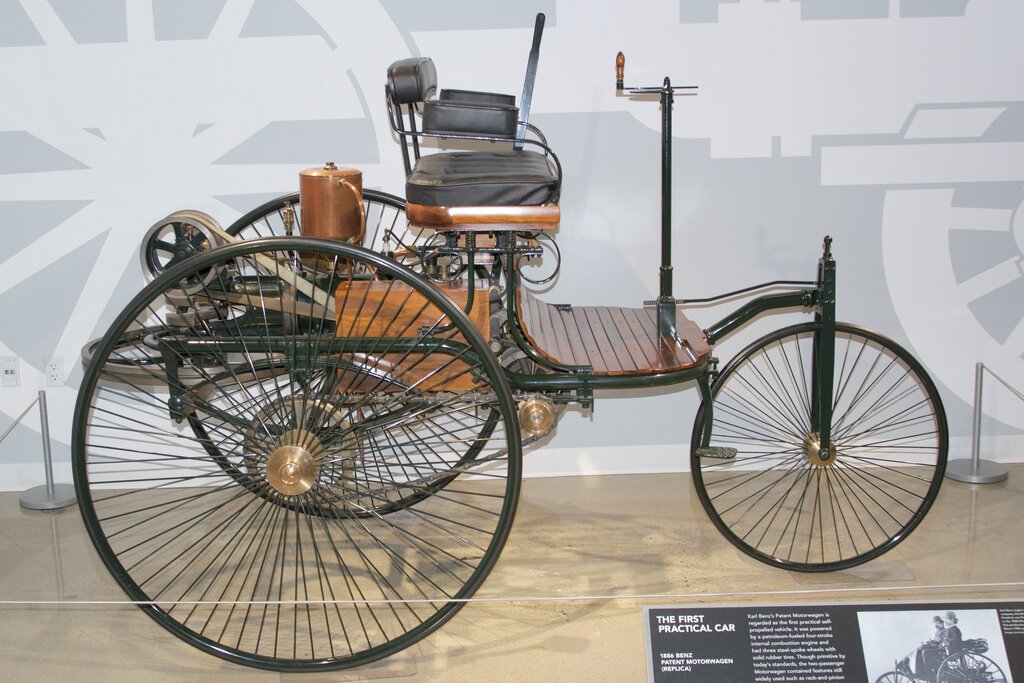
The real breakthrough came with the invention of the internal combustion engine. In 1886, Karl Benz patented his Motorwagen, a three-wheeled vehicle powered by a gasoline engine. It is widely considered the first true automobile.
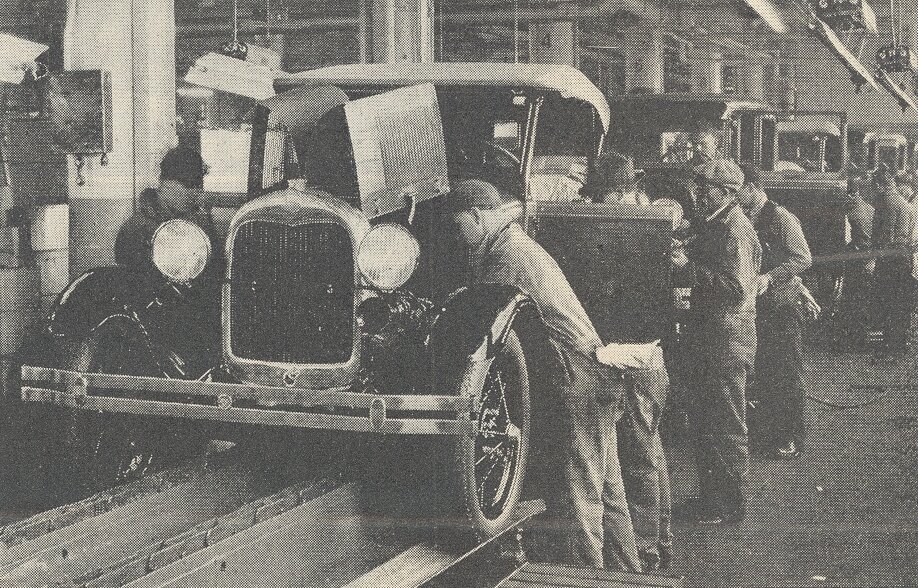
For years, cars remained expensive toys for the wealthy. That changed in the early 20th century when Henry Ford introduced the assembly line. By making production faster and cheaper, Ford made the automobile accessible to the average family, most famously with the Model T.
Since then, innovation has never stopped. Automatic transmissions made driving easier, features like seat belts and airbags made it safer, and modern electronics have made cars more efficient and comfortable than ever before.
Now that you have a basic understanding of what a car is and how it came to be, let's test your knowledge.
What is the fundamental principle on which all cars operate?
The text compares the up-and-down movement of a piston being converted into rotational motion by a crankshaft to what activity?
Understanding these fundamentals provides a solid base. From here, we can start to explore the specific systems that make up a modern vehicle.