Automotive Brake Pad Replacement
Brake System Basics
Stopping Power
When you hit the brake pedal, you're commanding your car to do something amazing: convert kinetic energy (the energy of motion) into thermal energy (heat). That's the fundamental principle of braking. This transformation happens at the wheels, using a system of powerful clamps and friction.
The Action at the Wheel
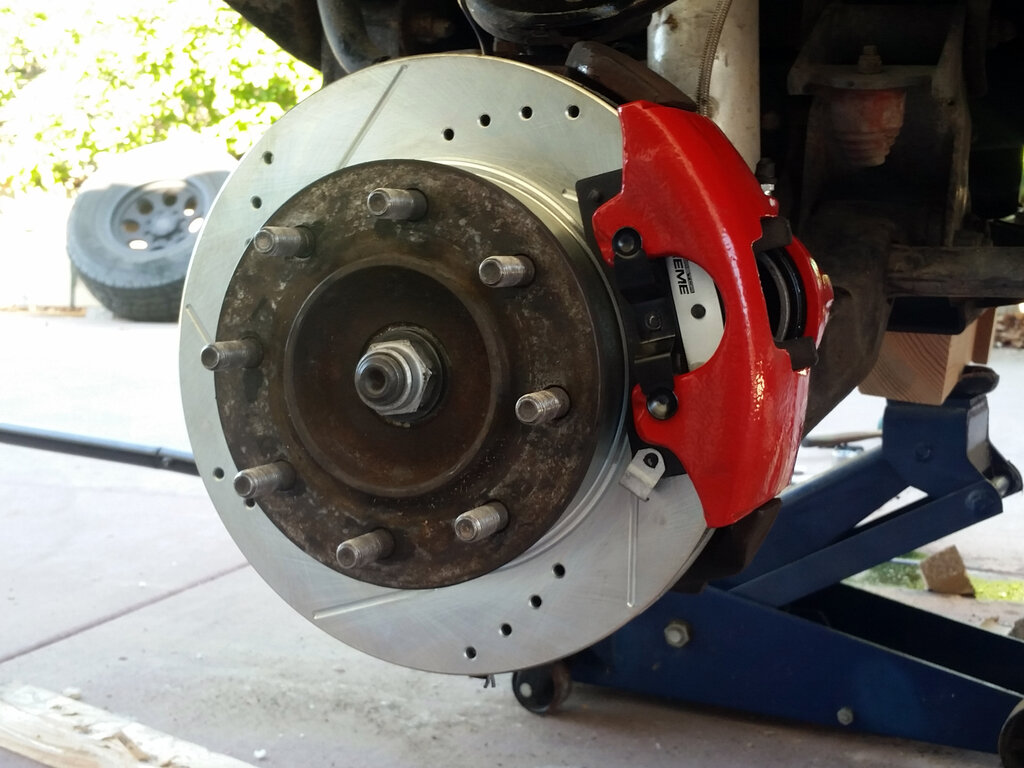
Most modern cars use disc brakes. Let's break down the three key parts of a disc brake assembly you'll find at each wheel.
Rotor
noun
A heavy metal disc that is attached to the wheel hub and spins at the same speed as the wheel.
Think of the rotor as a spinning plate. To slow the wheel down, something needs to grab onto this plate. That's where the caliper comes in.
Caliper
noun
A hydraulic clamp mounted to the car's suspension that houses the brake pads and pistons.
The caliper is like a powerful C-clamp that straddles the edge of the rotor. It doesn't spin with the wheel; it's fixed in place. Inside the caliper are the brake pads.
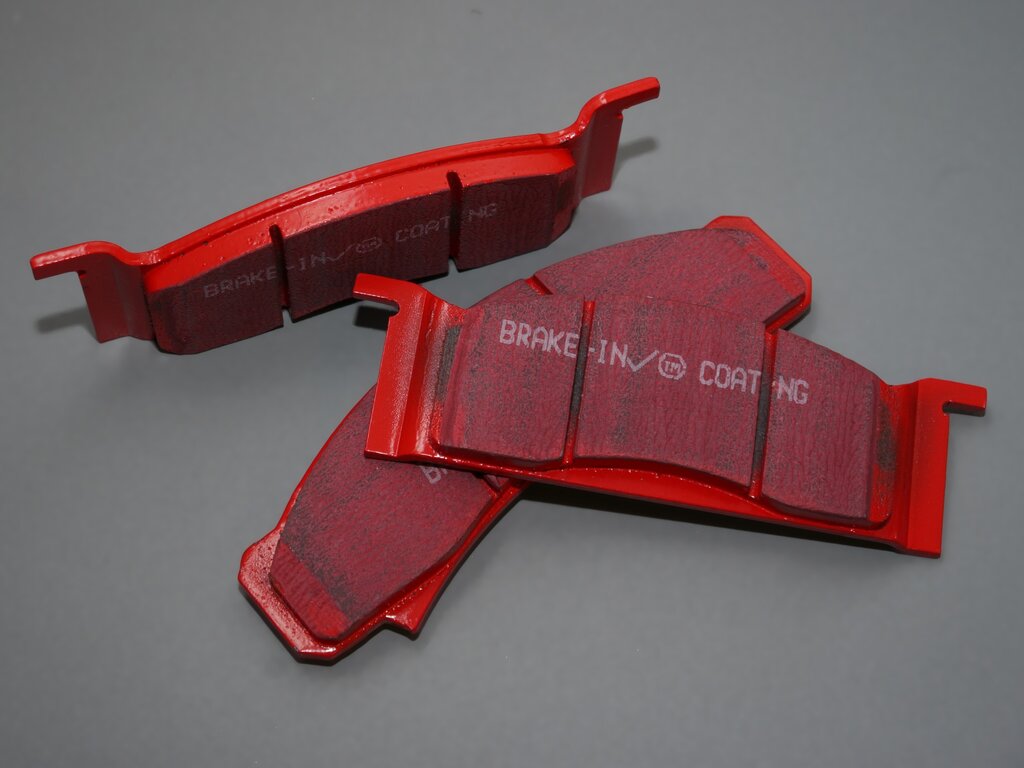
Brake pads are blocks of high-friction material mounted on a steel backing plate. They are the components that make direct contact with the rotor. When you brake, the caliper presses these pads against both sides of the spinning rotor.
The caliper squeezes the brake pads against the spinning rotor. The friction creates intense heat and slows the car down.
The Power of Hydraulics
How does the force from your foot get to all four wheels and apply immense pressure? The answer is hydraulics. Brake systems are filled with a special liquid called brake fluid. Unlike air, liquids are very difficult to compress. This property makes them perfect for transmitting force instantly over a distance.
When you press the brake pedal, you're pushing a piston in a component called the master cylinder. This pressurizes the brake fluid throughout the system. The pressure travels through steel brake lines and flexible rubber hoses to the calipers at each wheel.
The pistons inside the calipers are larger than the piston in the master cylinder. This arrangement multiplies your foot's force, giving the caliper the immense clamping power needed to stop a heavy vehicle.
Common Configurations
While most modern cars use disc brakes on all four wheels, some vehicles, especially older or smaller models, use a different setup on the rear wheels called drum brakes.
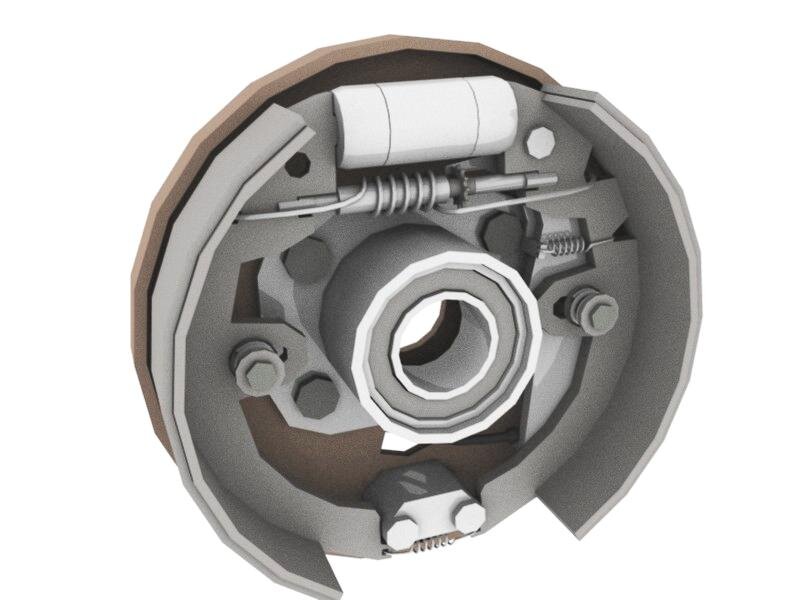
In a drum brake system, brake shoes press outward against the inside of a spinning drum to create friction. The principle is the same—convert motion to heat—but the mechanics are different. Drum brakes are generally less expensive to manufacture but are not as efficient at dissipating heat as disc brakes, which is why high-performance systems always use discs.
Whether it's a disc or drum system, the goal is the same: use hydraulic pressure to force a friction material against a moving part to slow the car down.
Understanding these basic components is the first step toward knowing how your car stops safely and what's involved in keeping it that way.
What is the fundamental energy conversion that occurs when you apply your car's brakes?
In a disc brake system, which component is a fixed C-clamp that holds the brake pads and straddles the spinning rotor?