Automobile Operation Explained
Introduction to Automotive Systems
The Anatomy of a Car
A car is more than just a metal box on wheels. It’s a complex machine made of several major systems, all working together in harmony. Think of it like a sports team. Each player has a specific role, but they must coordinate perfectly to win the game. If one system fails, the whole car can grind to a halt.
The Heart of the Machine
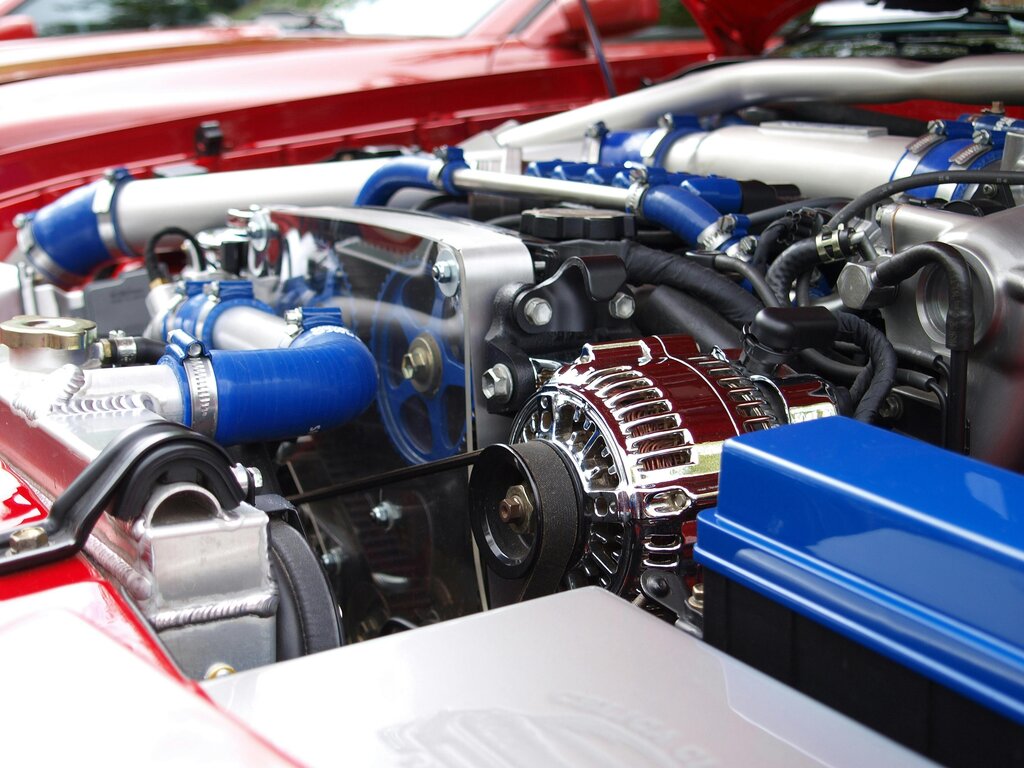
The engine is the power source, the heart of the car. Its job is to convert fuel into motion. Inside the engine, a series of small, controlled explosions push pistons up and down. This linear motion is converted into rotational motion by a crankshaft, creating the power that eventually turns the wheels.
This process, known as internal combustion, is what gives the car its life. Without the engine, nothing else matters.
From Power to Pavement
The engine creates raw power, but that power needs to be managed and delivered to the wheels. This is where the transmission and the rest of the drivetrain come in.
The transmission acts like the gear system on a bicycle. It allows the driver (or the car's computer) to select the right gear for the situation. A low gear provides more torque for starting from a stop, while a higher gear allows for greater speed with less engine effort. This power then flows through the driveshaft and axles to turn the wheels.
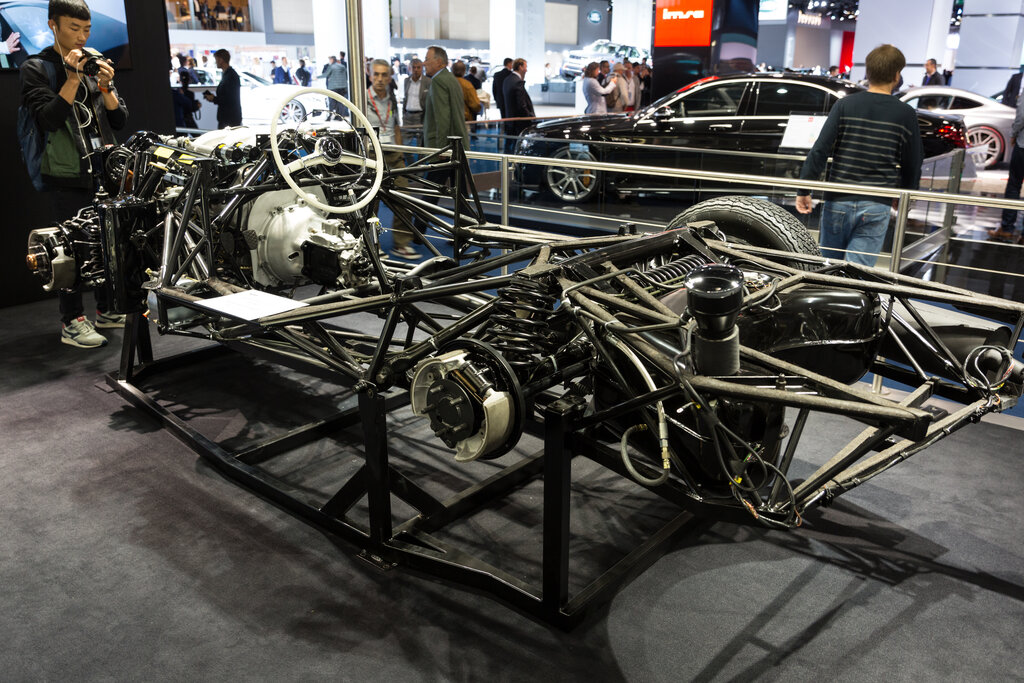
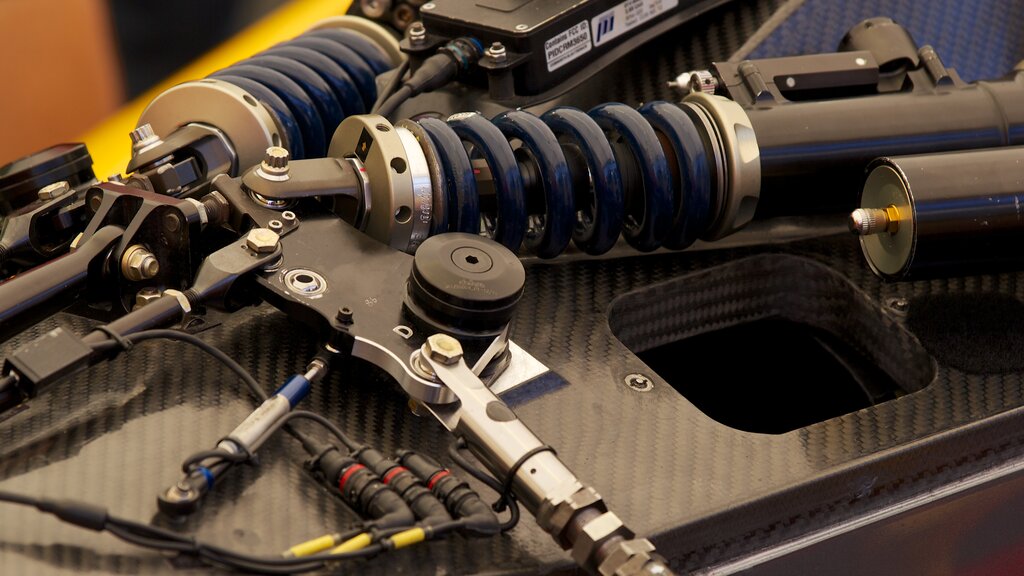
While the drivetrain is putting power down, the suspension system is busy keeping the ride smooth and the car stable. It consists of springs and shock absorbers that absorb bumps and dips in the road. This ensures the tires stay in firm contact with the pavement, which is crucial for both comfort and control.
Control and Command
All that power and stability would be useless without control. The steering and braking systems give the driver command over the vehicle.
The steering system connects the steering wheel to the front wheels, allowing the driver to direct the car. The braking system, on the other hand, uses hydraulic fluid pressure to clamp brake pads onto discs (or push shoes against drums) connected to the wheels. This creates immense friction, converting the car's motion into heat and slowing it down safely.
Together, these systems allow the driver to point the car where it needs to go and stop it when necessary.
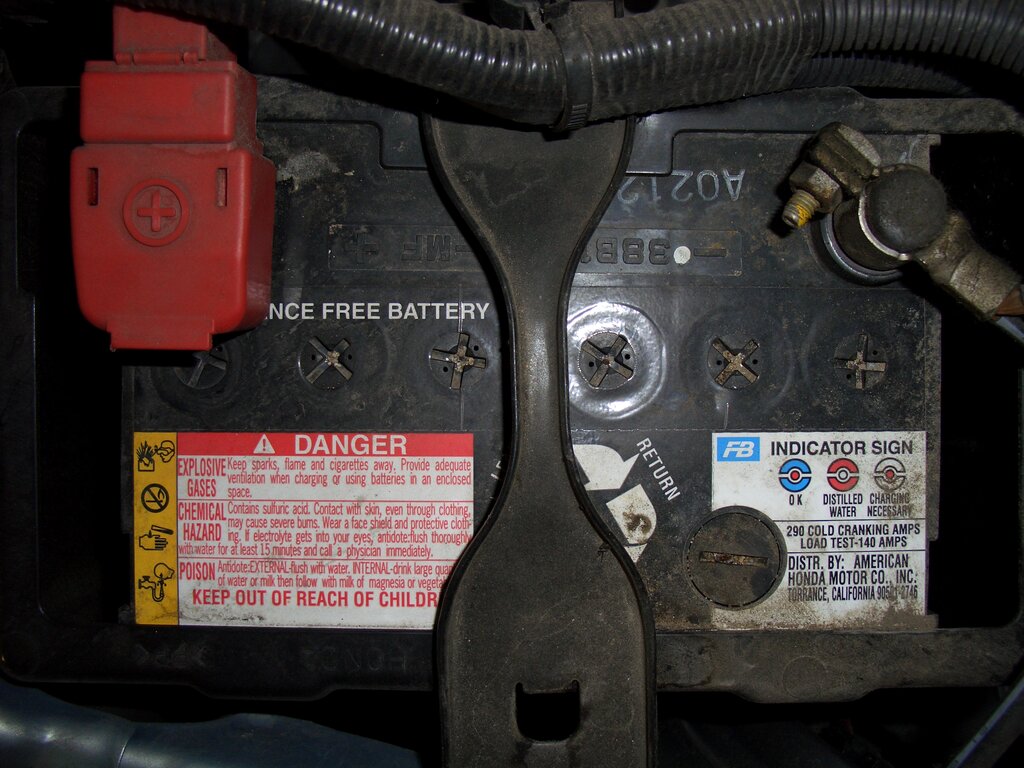
Finally, the electrical system is the car's nervous system. It's powered by the battery (when the car is off) and the alternator (when the engine is running). This system provides the initial spark to start the engine, and it powers everything else, from the headlights and radio to the complex computers that manage engine performance and safety features.
No single system works in isolation. The electrical system starts the engine. The engine powers the transmission. The transmission turns the wheels, which are controlled by the suspension, steering, and braking systems. It's this seamless integration that makes a modern car work.
Now, let's test your understanding of how these systems work together.
What is the primary function of a car's engine?
Which system is responsible for managing the power created by the engine and delivering it to the wheels at different speeds?
Understanding these core systems is the first step to knowing how a car operates.