Automation in Policing
Introduction to Automation in Policing
Policing in the Digital Age
When you hear “automation in policing,” you might picture a sci-fi movie with robotic officers. The reality is both more common and more complex. Automation is simply using technology to perform tasks with less human intervention. In law enforcement, this doesn't mean replacing officers, but rather equipping them with tools to work more efficiently.
The scope is broad. It ranges from administrative tasks that keep a precinct running smoothly to sophisticated systems that analyze evidence. Think of software that automatically transcribes officer reports, freeing them up for community engagement, or systems that manage the vast amounts of digital evidence collected in modern investigations. It’s about streamlining processes, from the mundane to the critical, so human expertise can be focused where it matters most.
From Fingerprints to Algorithms
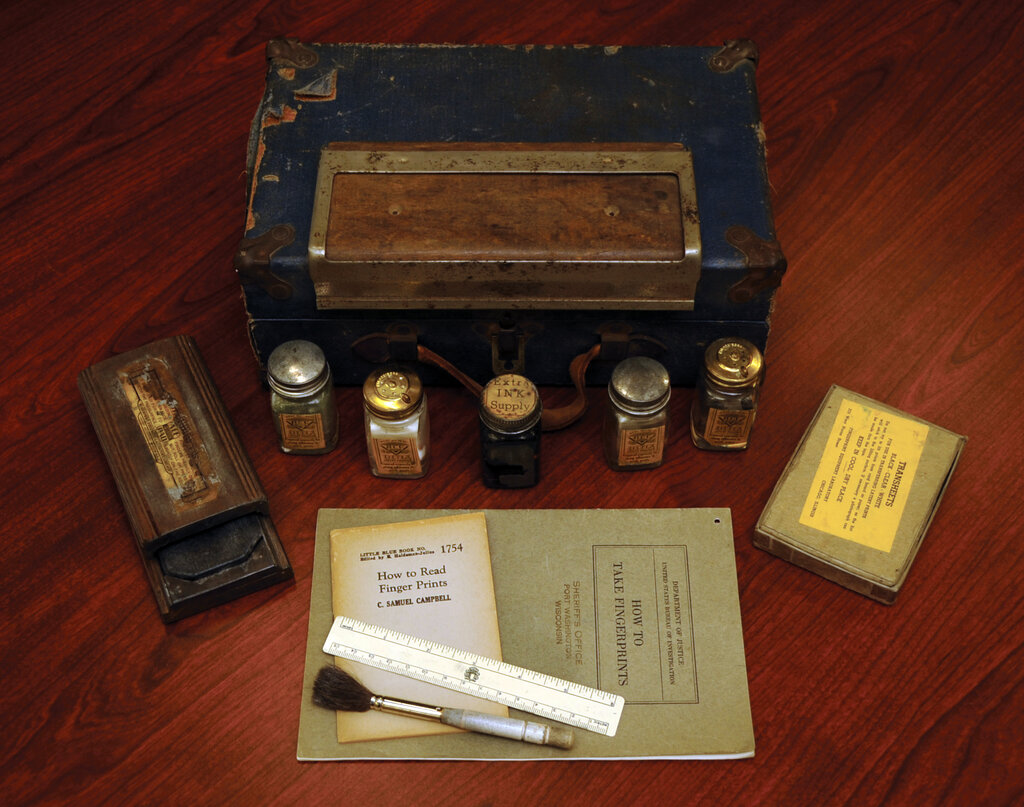
The idea of using technology to automate police work isn't new. It began over a century ago with one of the most foundational tools in criminal justice: the fingerprint. Before computers, searching for a fingerprint match in a massive collection of cards was a painstakingly manual process.
The creation of centralized, searchable fingerprint databases was one of the first major steps in law enforcement automation. It transformed a slow, labor-intensive task into a process that could yield results in minutes or hours instead of weeks.
The computer age accelerated this trend. In the 1960s, law enforcement agencies began developing shared databases, like the FBI's National Crime Information Center (NCIC). For the first time, an officer in one state could instantly check if a person or vehicle was wanted in another. This automated the flow of critical information across jurisdictions.
As technology advanced, so did the tools. The arrival of the internet, digital cameras, and mobile devices created an explosion of data, pushing law enforcement to adopt even more powerful automation to keep up.
Automation on the Beat Today
Today, automation is a daily reality in police departments around the world. These tools operate in the background and on the front lines, handling a variety of tasks.
| Technology | Application in Policing |
|---|---|
| Automated License Plate Readers (ALPRs) | Cameras mounted on patrol cars or stationary objects automatically scan license plates, checking them against databases for stolen vehicles or wanted persons. |
| Body-Worn & In-Car Cameras | While the cameras themselves require human operators, the management of the massive amount of video footage they generate is often automated. Software helps categorize, tag, and store video according to retention policies. |
| Digital Forensics Tools | When investigating computers or mobile phones, automated software can quickly scan for keywords, recover deleted files, and piece together timelines of activity, saving investigators hundreds of hours. |
| Robotics Process Automation (RPA) | In the office, software bots handle repetitive administrative tasks. This can include filing digital paperwork, managing inventory for supplies, or generating routine statistical reports on crime data. |
These examples show how automation is integrated into core police functions. From patrol and investigation to the essential administrative work that supports it all, technology is being used to make processes faster and more manageable.
This foundational use of automation sets the stage for more advanced applications. As we'll explore later, the benefits, challenges, and ethical questions surrounding these technologies are a critical part of the conversation about modern policing.