Automating SEO Article Generation
Introduction to AI in SEO
A New Era for SEO
For years, search engine optimization (SEO) was a game of keywords and backlinks. The goal was simple: get your page to the top of a list of blue links. But search engines are no longer just simple directories. They're becoming sophisticated answer engines, and artificial intelligence is the driving force behind this transformation.
Think about how search engines like Google have evolved. They moved from matching exact keywords in your query to understanding the intent behind it. This was an early application of AI, specifically natural language processing (NLP). Now, generative AI is taking this a step further, creating summarized answers and conversational experiences directly on the results page.
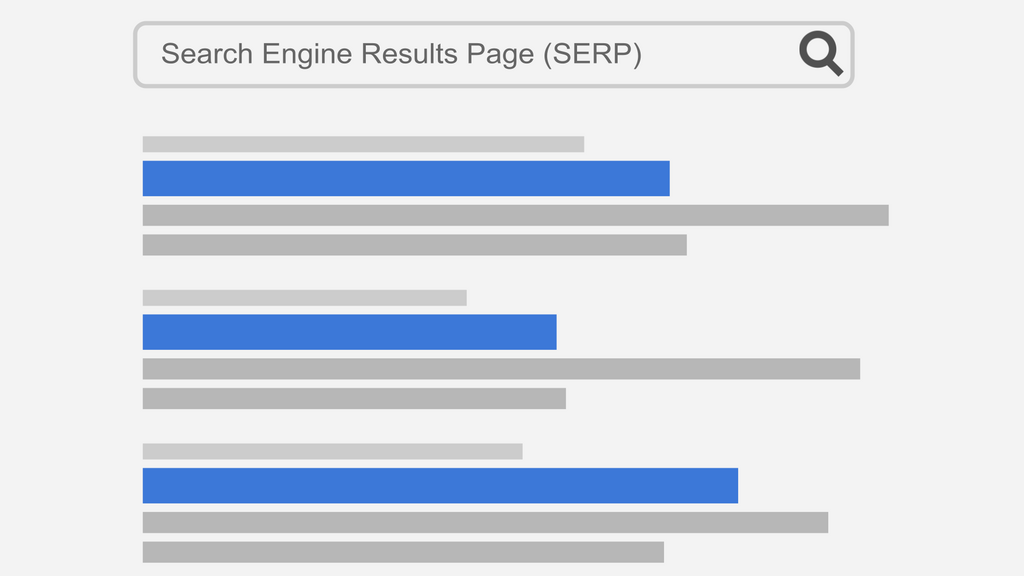
This shift means the old SEO playbook isn't enough. Just as SEO professionals adapted to mobile-first indexing and algorithm updates like Panda and Penguin, they must now adapt to a world where the search engine itself is an AI-powered creator.
Generative Engine Optimization is the next evolution of SEO – one built for a world where AI engines curate and synthesize answers, not just index web pages.
How AI Shapes Content
AI's impact on SEO starts with content. It provides powerful tools to enhance nearly every stage of the content creation process, from brainstorming to refinement.
First, there's research and ideation. AI can analyze massive datasets to identify trending topics, uncover content gaps your competitors have missed, and pinpoint the specific questions your audience is asking. Instead of guessing what users want to know, you can use data to discover it directly.
Then comes the writing. AI can generate outlines, draft sections of text, and even suggest different angles for an article. This accelerates the process, freeing up writers to focus on what humans do best: adding unique insights, personal stories, and expert perspectives. It's a collaboration between human creativity and machine efficiency.
The goal isn't to replace human writers, but to augment their abilities. An AI can draft the body of an article, but a human expert provides the voice, authority, and trust that builds a real audience.
Finally, AI helps with optimization. It can suggest relevant keywords, improve readability, and even check for factual accuracy. By handling these routine tasks, AI allows creators to spend more time on high-level strategy and producing genuinely valuable content.
The Algorithm Gets Smarter
Search engine algorithms have always been a bit of a black box, but AI makes them even more complex and dynamic. Google's algorithms, like RankBrain and BERT, use machine learning to better understand the nuances of language and context.
What does this mean for SEO? It means that quality and relevance are more important than ever. You can no longer win by simply ticking a few technical boxes. The AI-powered algorithm is designed to reward content that truly satisfies user intent. It looks for signals of expertise, authoritativeness, and trustworthiness (E-A-T).