Automating OTC with Agentic AI
Understanding the Order-to-Cash Process
The Order-to-Cash Journey
The Order-to-Cash (OTC) process is the lifeblood of any business that sells goods or services. It's the entire end-to-end cycle that starts the moment a customer places an order and ends only when the payment is received and recorded. Think of it as a company's core operational loop for generating revenue. A smooth OTC process means cash flows in predictably, customers are happy, and the business runs efficiently. A bumpy one can lead to delayed payments, frustrated customers, and serious financial headaches.
From Order to Action
The first few steps of the OTC cycle are all about receiving a customer's request and turning it into a physical shipment. Getting this part right is fundamental to customer satisfaction.
1. Order Management This is the starting line. A customer decides to buy something and places an order, which could come through a website, a mobile app, a salesperson, or even email. The key task here is to capture the order details perfectly. Any mistake, like a wrong product code or shipping address, can cause problems down the line. A solid order management system ensures all orders are entered accurately and tracked from the very beginning.
2. Credit Management Before the warehouse team starts packing boxes, the finance team needs to weigh in. This stage involves evaluating the customer's creditworthiness. For a new customer, this might mean running a credit check. For an existing one, it's about reviewing their payment history. This step protects the business from the risk of non-payment and helps determine the payment terms, such as requiring payment upfront or offering 30 days to pay.
Effective credit management is a balancing act. It’s about enabling sales without exposing the company to unnecessary financial risk.
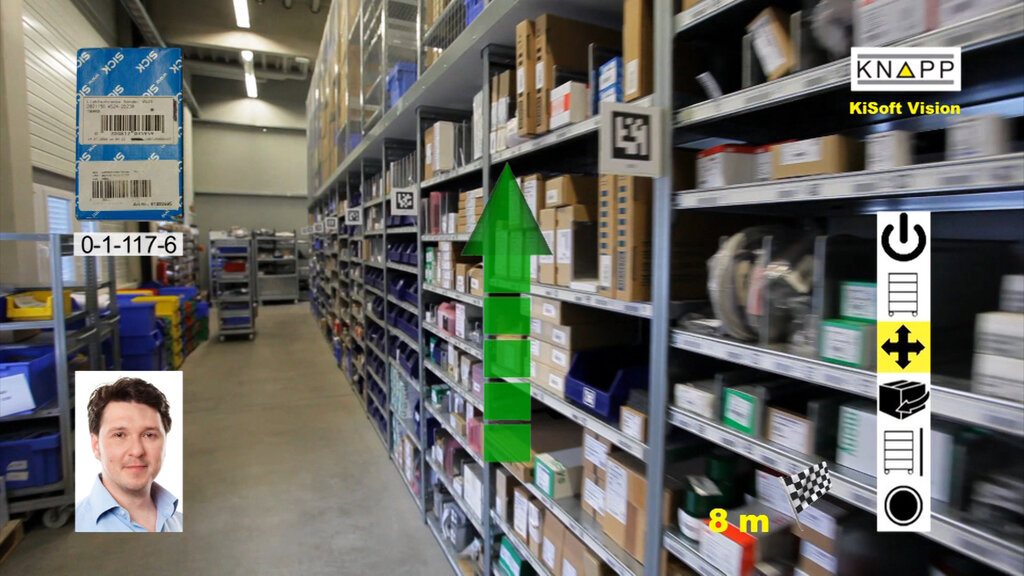
3. Order Fulfillment With the order confirmed and credit approved, it's time to get the product to the customer. This is the logistics phase. It involves picking the correct items from inventory, packing them securely, and handing them off to a shipping carrier. The goals here are speed and accuracy. Fulfilling orders quickly and correctly is one of the most direct ways to keep customers happy and encourage repeat business.
Closing the Financial Loop
Once the product is on its way, the focus shifts to the financial side of the transaction. This half of the process ensures the company actually gets paid for its work.
4. Invoicing An invoice is the official bill sent to the customer after the order has been shipped. It details what was purchased, the total amount due, and the payment terms. A clear, accurate, and timely invoice is crucial. If it’s confusing, incorrect, or late, it gives the customer a reason to delay payment.
5. Payment Collection This stage is about actively collecting the money owed. It can be as simple as the customer paying online at the time of purchase or as involved as the accounts receivable team sending reminders for overdue invoices. The goal is to collect payments within the agreed-upon terms to maintain a healthy cash flow.
Efficient management of working capital is crucial for maintaining healthy cash flow so review, optimize, and automate processes related to inventory management, accounts receivable, and accounts payable.
6. Cash Application After payment is received, it needs to be matched to the specific invoice it covers. This process, called cash application, is an important accounting step. It updates the customer's account to show they've paid, which clears the outstanding receivable from the company's books. Accurately applying cash prevents accounting errors and ensures customer records are up to date.
7. Dispute Management Sometimes, things go wrong. A customer might receive a damaged item, be billed the wrong amount, or believe they were short-shipped. When they raise an issue, it triggers the dispute management process. This involves investigating the customer's claim, coordinating with other departments like logistics or sales, and resolving the issue. A fast and fair resolution can turn a negative experience into a positive one, preserving the customer relationship.
Now that you have a solid grasp of the entire Order-to-Cash workflow, let's test your knowledge.
What is the primary purpose of the Order-to-Cash (OTC) process?
Which of the following lists the first three steps of the OTC process in the correct sequence?
Each step in the OTC cycle is a link in a chain. A weakness in any one of them can impact everything from cash flow to customer loyalty, making a holistic understanding essential.