Automating Inventory with Computer Vision
Introduction to Computer Vision
What Do Computers See?
Humans see the world through their eyes. We recognize faces, read books, and navigate busy streets without much thought. Computer vision is a field of artificial intelligence that tries to teach computers to do the same thing: to see and interpret the visual world. Instead of eyes, they use cameras, and instead of a brain, they use algorithms.
The goal of computer vision is to enable machines to process, understand, and make decisions based on visual data, just like we do.
But a computer doesn't see a photograph of a cat the way we do. We see a furry animal with whiskers and pointy ears. A computer sees a grid of numbers. Each number, called a pixel, represents a tiny dot of color. For a computer to "see" the cat, it must first learn to find meaningful patterns within this sea of numbers.
From Pixels to Patterns
Getting a computer to understand an image involves a few key steps. It's a process of refining raw data into useful knowledge, moving from simple pixels to complex ideas.
First, the image is processed to make it easier to analyze. This might mean converting a color image to black and white to simplify the data, or adjusting the brightness and contrast to make important details stand out. It's like cleaning a blurry window to get a better view.
Next comes feature extraction. A feature is a specific, interesting piece of information in an image. Think about how you recognize a friend's face. You don't analyze every single pixel; you look for key features like their eyes, nose, and the shape of their jaw. A computer does something similar. It learns to find important features like:
- Edges: The boundaries between different objects or regions.
- Corners: Points where edges meet.
- Textures and Colors: Consistent patterns or hues that define a surface, like the grain of wood or the color of grass.
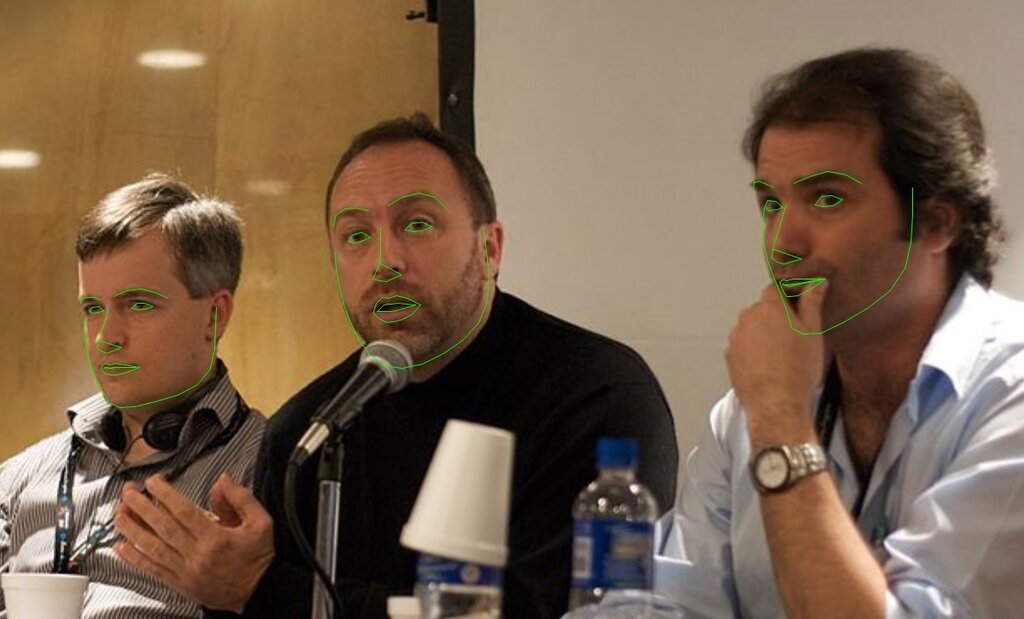
Finally, the system performs pattern recognition. After extracting features, the computer looks for familiar arrangements or patterns. It compares the collection of detected features—the lines, corners, and textures—to patterns it has learned before. If the features match the pattern for a "bicycle," it identifies a bicycle. This is the stage where the computer moves from just seeing data to actually understanding what's in the image.
Beyond the Basics
This fundamental process allows computers to perform an incredible range of tasks. Computer vision isn't just a futuristic concept; it's already at work all around us.
| Industry | Application |
|---|---|
| Healthcare | Analyzing medical scans like X-rays and MRIs to help detect diseases. |
| Automotive | Powering self-driving cars to identify pedestrians, traffic signs, and other vehicles. |
| Retail | Monitoring shelves to automatically detect when products are out of stock. |
| Manufacturing | Inspecting products on an assembly line to spot defects automatically. |
| Security | Recognizing faces for secure access or identifying unauthorized individuals in restricted areas. |
In each case, the core idea is the same: take visual data, process it, find the important features, and recognize patterns to make a smart decision or automate a task. From helping a doctor save a life to making sure your favorite snack is on the shelf, computer vision is changing how we interact with the world.
What is the primary goal of computer vision?
From a computer's perspective, a digital photograph of a cat is fundamentally a ______.