Automating Inventory with Computer Vision
Introduction to Computer Vision
Seeing with Machines
Computers are great at crunching numbers, but how do we teach them to understand the visual world? That's the core question of computer vision, a field of artificial intelligence that trains computers to interpret and understand information from images and videos. Just as our eyes and brain work together to help us recognize a face or read a sign, computer vision systems use digital cameras and smart algorithms to see and make sense of their surroundings.
Computer vision
noun
A field of artificial intelligence (AI) that enables computers and systems to derive meaningful information from digital images, videos, and other visual inputs — and take actions or make recommendations based on that information.
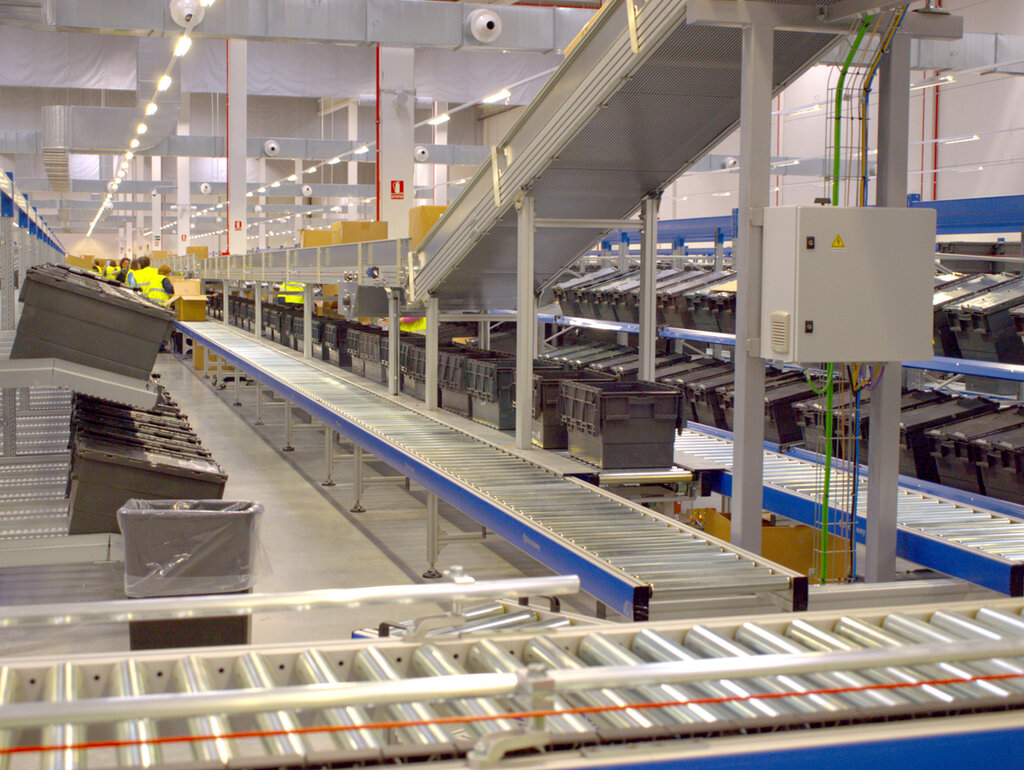
One of the most powerful applications for this technology is in inventory management. Traditionally, tracking stock means manual counts, barcodes, and a lot of room for human error. A misplaced item or a miscounted box can lead to stockouts or overstocking, costing businesses money. Computer vision changes the game by automating this entire process. Instead of relying on periodic manual checks, a system can use cameras to constantly monitor what's on the shelves or moving through a warehouse.
How Computers Process Images
To a computer, a digital image isn't a picture of a cat or a car; it's just a grid of numbers. Each tiny dot, or pixel, in the image has a numerical value that represents its color and brightness. The first step in computer vision is image processing, where algorithms analyze these pixel values to prepare the image for more complex tasks. This might involve converting an image to black and white to simplify it, adjusting the contrast to make objects stand out, or sharpening edges to define shapes more clearly. These basic steps clean up the visual data, making it easier for the system to identify what's important.
Think of image processing as putting on glasses. It doesn't tell you what you're looking at, but it makes the picture much clearer and easier to understand.
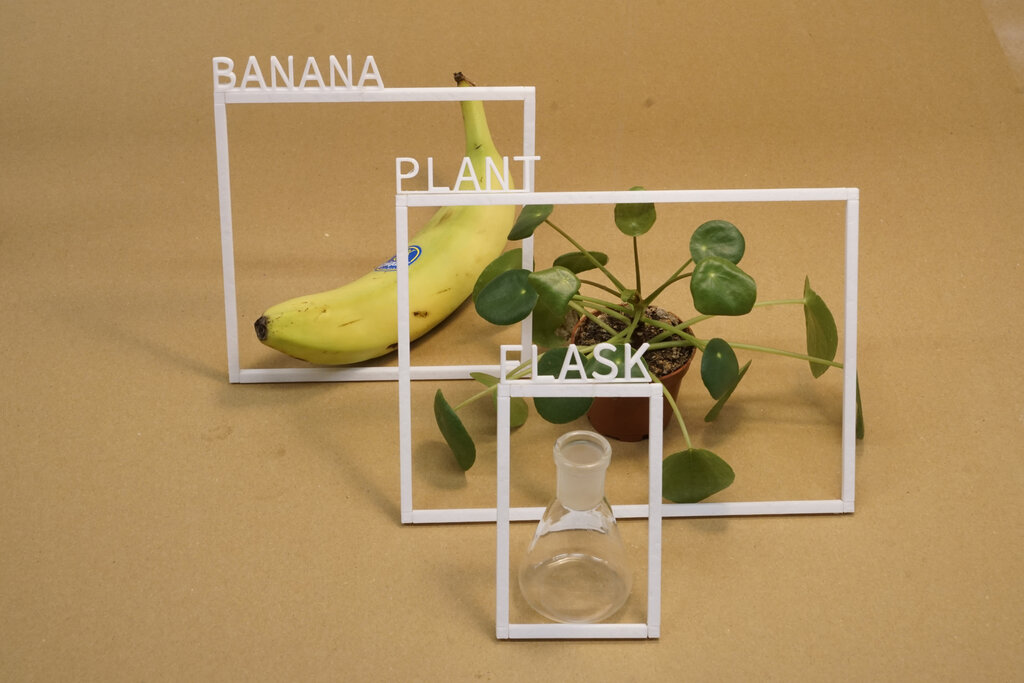
Once an image is processed, the next step is often object detection. This is where the system goes from just seeing pixels to identifying specific items. The goal is to draw a box around each object of interest and label it. For example, a computer vision system in a warehouse can be trained to scan a shelf and pinpoint every box of a specific product.
The Role of Machine Learning
So, how does a computer learn to tell the difference between a banana and a potted plant? This is where machine learning comes in. It’s the engine that powers modern computer vision.
Instead of being programmed with explicit rules for what a banana looks like (yellow, curved, etc.), a machine learning model is shown thousands or even millions of labeled images of bananas. By analyzing all this data, the model learns the common patterns, textures, and shapes associated with a banana. After this training process, it can identify bananas in new, unseen images with remarkable accuracy. This same process can be used to teach a model to recognize anything, from a specific brand of soda on a store shelf to a forklift in a busy warehouse.
This system automates physical inventory tracking using computer vision models trained to recognize, count, and match physical stock items against digital inventory records.
By combining image processing, object detection, and machine learning, businesses can create systems that offer real-time visibility into their inventory. This foundation allows them to reduce errors, prevent stockouts, and operate more efficiently.
What is the primary goal of computer vision?
In the context of computer vision, how does a machine learning model learn to identify a specific object?