Automating Inventory with Computer Vision
Introduction to Computer Vision
What Machines See
Humans see the world effortlessly. We recognize a friend in a crowd, read a sign from a distance, and know a banana is a banana, not an apple. For computers, this is incredibly difficult. Computer vision is the field of artificial intelligence that trains computers to interpret and understand the visual world. Using digital images from cameras and videos, machines can identify and classify objects, and then react to what they “see.”
Computer vision is a branch of artificial intelligence (AI) that enables machines to interpret and analyze visual data from the world around them.
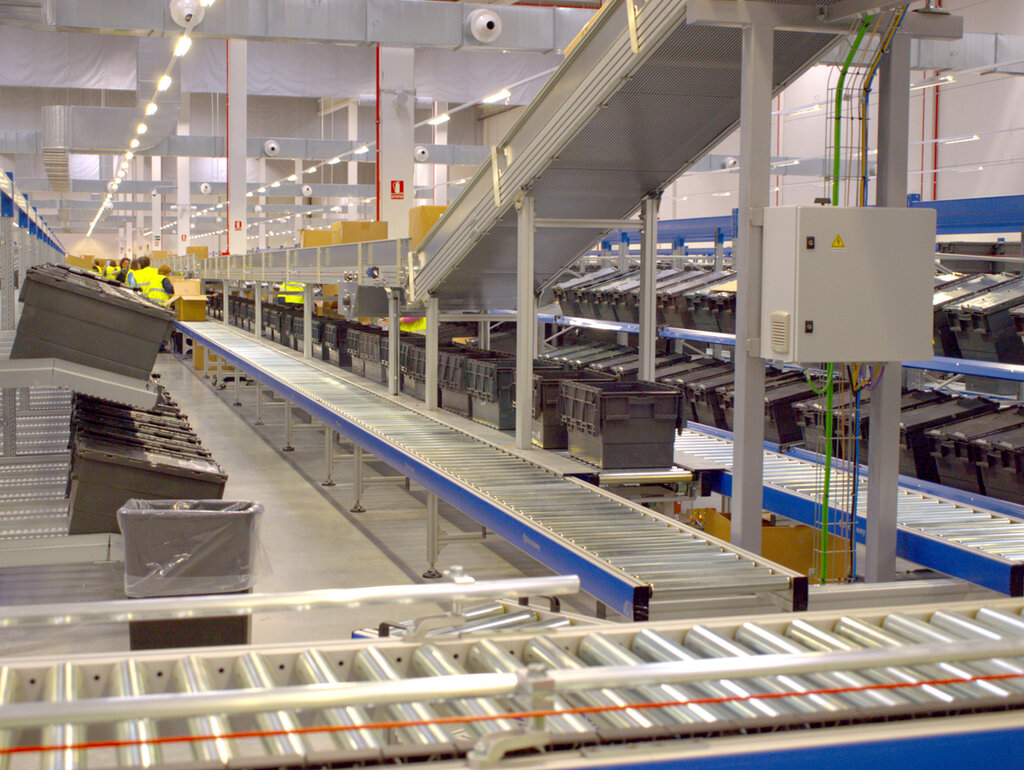
Think of a warehouse. A manager can walk through and see which shelves are empty. They can spot a misplaced box or identify damaged goods. Computer vision gives a machine that same ability, but on a massive scale and with tireless precision. Instead of relying on a person to scan a barcode on every single box, a system of cameras can monitor the entire warehouse at once.
This process isn't magic; it's a step-by-step analysis of visual data. It starts with a digital image, which for a computer is just a grid of numbers. Each number represents the color and brightness of a single point, or pixel.
From Pixels to Patterns
How does a computer go from a sea of pixels to recognizing a specific object, like a box of cereal on a shelf? It starts by processing the image to make it easier to analyze. This can involve simple adjustments to make key information stand out.
Basic image processing techniques include:
- Grayscale conversion: Simplifying the image by removing color information. This reduces complexity and can help in focusing on shapes and textures.
- Brightness and contrast adjustment: Making the image brighter or darker to ensure features are clearly visible.
- Noise reduction: Smoothing out random variations in pixel values, like graininess in a photo, which can confuse an algorithm.
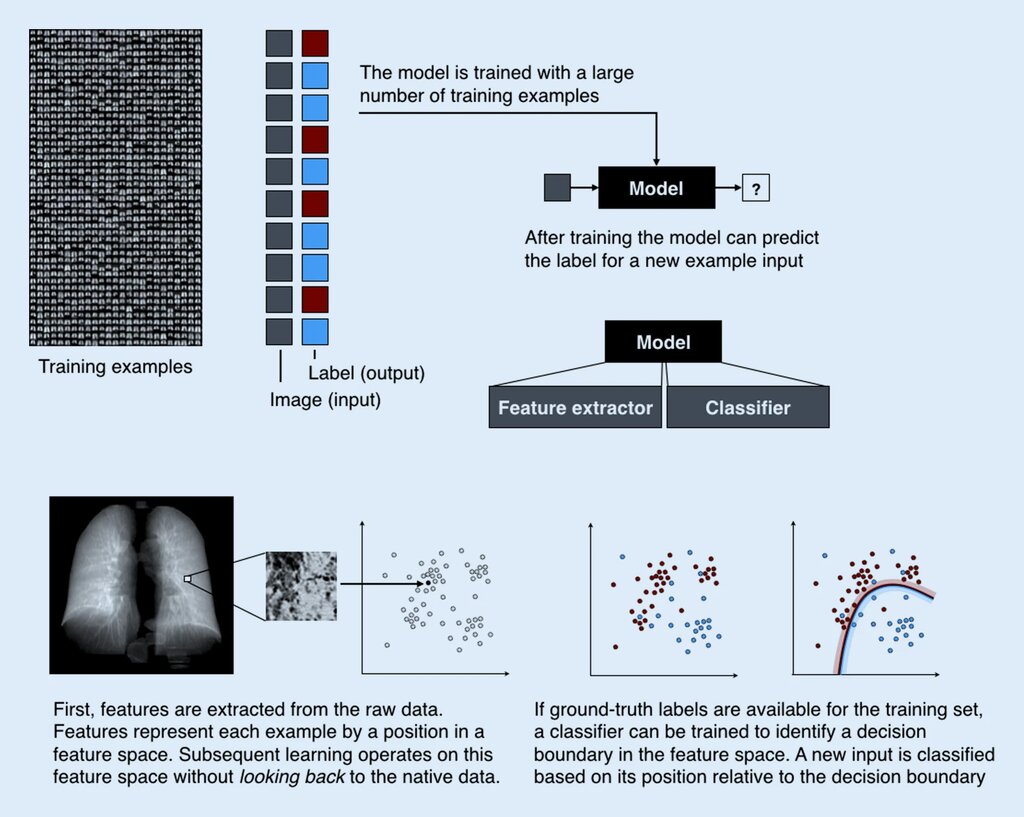
Once the image is prepped, the system looks for features. A feature is an interesting or significant part of an image, like an edge, a corner, or a patch of a certain color. The goal is to find patterns that can be used to identify objects.
This process of identifying key characteristics is called feature extraction. For a box in a warehouse, features might include its rectangular shape, the corners, the color, and maybe even the text from a label. The system collects these features into a simplified description of the object.
Training a Model to See
Extracting features is only half the battle. The computer still doesn't know what those features mean. This is where machine learning comes in. A machine learning model is trained on a huge dataset of labeled images. For inventory management, this might be thousands of pictures of different products from various angles and in different lighting conditions.
Each image in the training data is tagged. For example, a picture of a specific brand of soda is labeled "Brand X Soda Can." The model learns to associate the visual features of that can—its cylindrical shape, red and white colors, specific logo—with that label.
Through this training process, the model builds a statistical understanding of what each item looks like. When it's shown a new, unlabeled image from a live camera feed, it extracts the features and compares them to the patterns it learned. It then makes a prediction: "Based on the features, I'm 98% confident this is a Brand X Soda Can."
This capability is revolutionary for inventory management. Instead of periodic, manual counts, a computer vision system provides a constant, real-time view of stock levels. It can automatically detect when an item is removed from a shelf, identify misplaced products, and even flag damaged packaging. This leads to fewer errors, less manual labor, and a much more accurate understanding of what's in stock.
This system automates physical inventory tracking using computer vision models trained to recognize, count, and match physical stock items against digital inventory records.
By teaching machines to see and interpret the world, computer vision turns passive cameras into active, intelligent observers that can streamline complex operations.
What is the primary goal of computer vision?
In the context of computer vision, what is a 'feature'?