Automating Inventory with Computer Vision
Introduction to Computer Vision
What is Computer Vision?
Computer vision is a field of artificial intelligence that trains computers to see and interpret the visual world. Using digital images from cameras, videos, and deep learning models, machines can accurately identify and classify objects, and then react to what they “see.”
Think about how you recognize a friend in a crowd. You don't consciously analyze every pixel of light hitting your eyes. Instead, your brain instantly processes patterns, shapes, and colors to identify a familiar face. Computer vision aims to give machines a similar ability.
The goal is simple: enable computers to understand the content of images and videos just like humans do.
From unlocking your phone with your face to self-driving cars navigating busy streets, computer vision is already a part of our daily lives. It works by recognizing patterns in visual data to make decisions.
A Smarter Way to Track Inventory
Manually counting inventory is slow and prone to error. A tired employee might miscount a box or skip an entire shelf. These small mistakes can lead to big problems, like ordering too much of one item or running out of a bestseller.
This is where computer vision changes the game. By installing cameras in warehouses or above retail shelves, businesses can automate the entire process. These systems can count items, identify when a product is low in stock, and even spot misplaced goods.
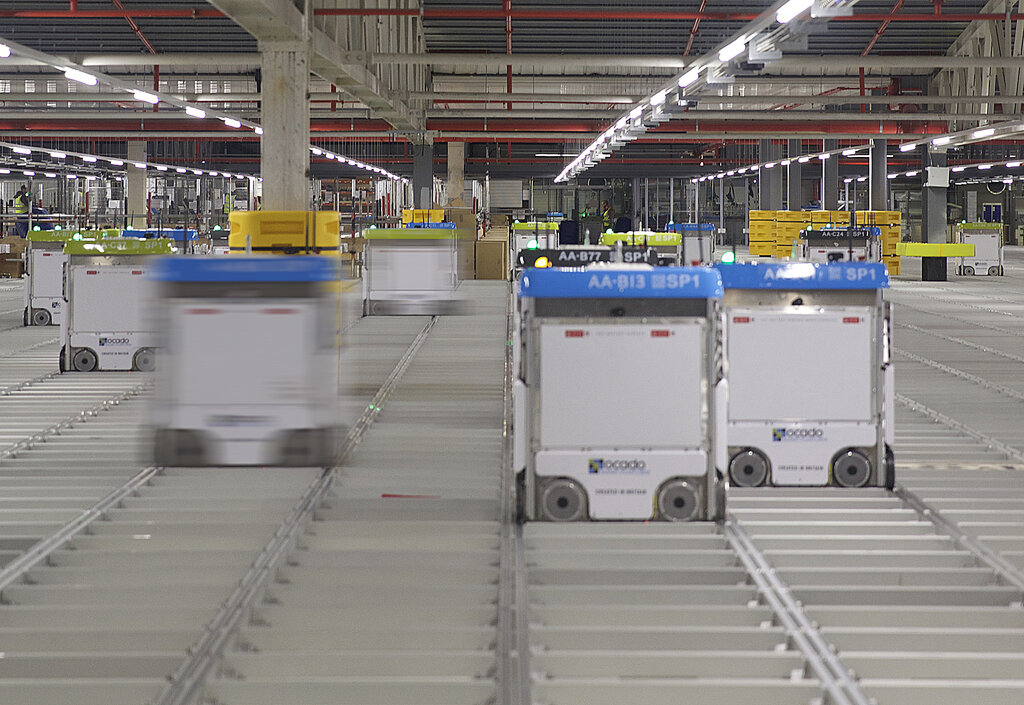
Imagine a camera that constantly scans a supermarket shelf. The moment the last bottle of ketchup is taken, the computer vision system can alert a manager or even automatically place a new order with the supplier. It’s faster, more accurate, and frees up human workers for more complex tasks, like helping customers.
Computer vision technology helps in inventory tracking by providing real-time visibility into stock levels, enabling accurate tracking of inventory movement and reducing the risk of stockouts or overstocking...
How Computers Learn to See
To a computer, an image isn't a collection of objects and scenes. It's just a grid of numbers, with each number representing the color and brightness of a single pixel. So, how does a machine go from seeing a spreadsheet of numbers to recognizing a can of soup on a shelf?
The process starts with image processing. This is like adjusting a photo to make it clearer. The computer might increase the contrast, sharpen the image, or reduce noise to make important details stand out. It’s the first step in cleaning up the visual data.
Next comes feature extraction. The computer is taught to identify basic visual cues, or features, within the image. These aren't complex objects yet, but rather the simple building blocks of vision: edges, corners, colors, and textures.
Just as you recognize a book by its straight edges and rectangular shape, a computer vision model learns to combine these simple features to identify more complex objects.
Teaching the Machine
Extracting features is only half the battle. The system then needs to learn what those features mean. This is where machine learning comes in. A machine learning model is a program that finds patterns in data.
To train a model for inventory management, developers feed it thousands or even millions of labeled images. Each image is tagged with what it contains. For example:
- This is a
box of cereal. - This is an
empty shelf. - This is a
can of beans.
The model analyzes all these examples, learning to associate certain combinations of features (edges, colors, textures) with specific labels. A round shape with a particular silver texture becomes a 'can,' while a rectangular shape with bright colors and text becomes a 'cereal box.'
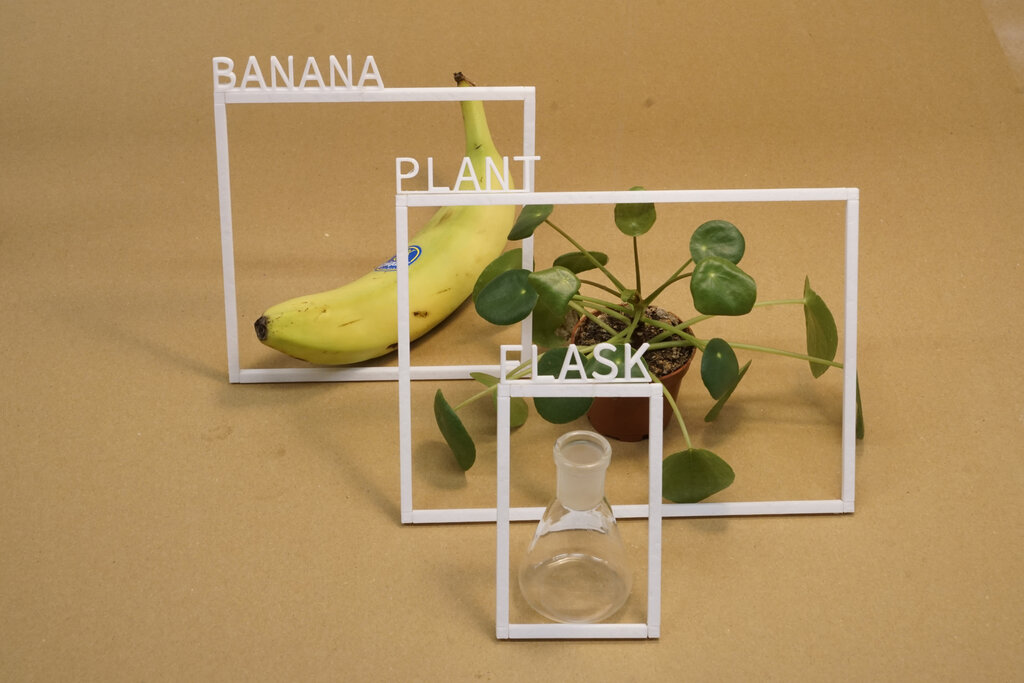
Over time, through this training process, the model gets better and better at recognizing objects on its own. When shown a new, unlabeled image from a warehouse camera, it can confidently identify the items it sees, count them, and update the inventory records automatically.
This combination of image processing, feature extraction, and machine learning is what gives computers the power to see and understand our world.
What is the primary goal of computer vision?
According to the typical computer vision pipeline, what is the first step in analyzing a raw digital image?