Automating Inventory with Computer Vision
Introduction to Computer Vision
What Is Computer Vision?
At its core, computer vision is the science of teaching computers to see and interpret the visual world. Just as our eyes and brain work together to understand our surroundings, computer vision uses cameras, data, and algorithms to make sense of images and videos.
It's a field of artificial intelligence that trains computers to process, analyze, and understand visual information, allowing them to identify objects, people, and activities in images with the same accuracy as humans.
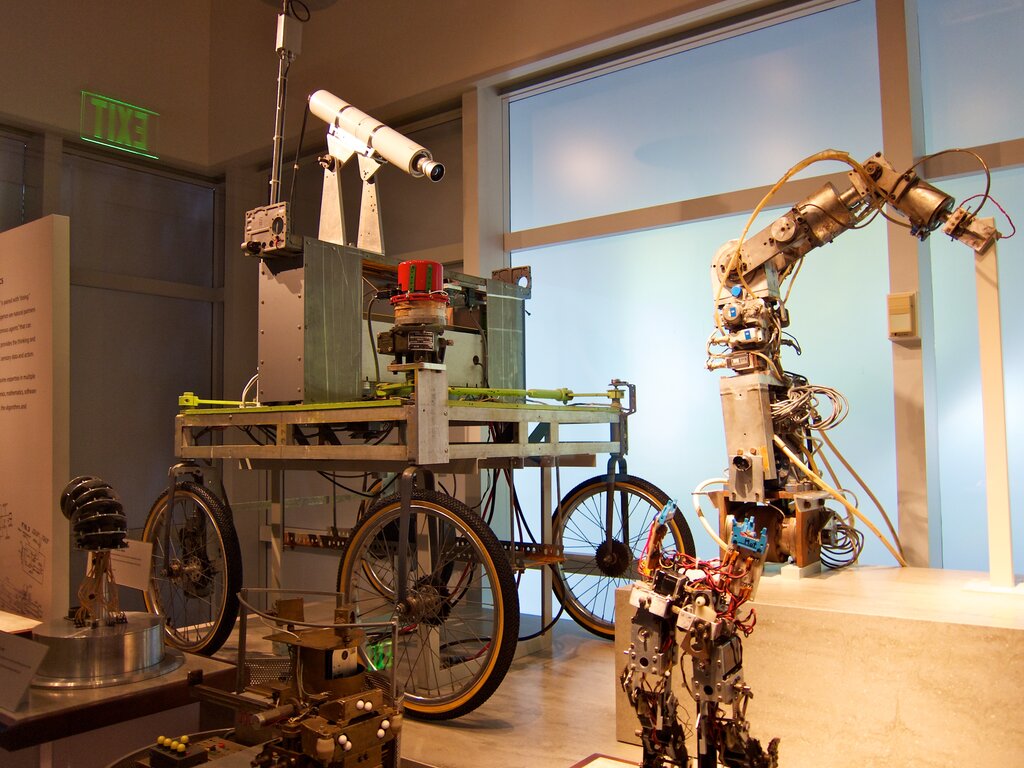
The idea isn't new. The dream of giving machines sight dates back to the 1960s, with early experiments trying to link cameras to computers. These first attempts were simple, often just trying to detect basic lines and shapes. One famous early project was the Stanford Cart, a mobile robot that could navigate a room on its own by analyzing images from its camera. It was slow and clumsy, but it was a groundbreaking step.
For decades, progress was limited by computing power. But with the rise of faster processors, big data, and deep learning, computer vision has exploded from a niche academic field into a technology that powers countless applications we use every day.
How Computers See Images
A computer doesn't see a photograph of a cat the way we do. It sees a grid of numbers. Every digital image is made up of tiny dots called pixels, and each pixel has a numerical value that represents its color and brightness.
This is where image processing comes in. It's the first step in making sense of this sea of numbers. A computer vision system can perform operations on these pixel values to prepare the image for analysis. Common steps include:
- Grayscale conversion: Simplifying the image by removing color information, leaving only shades of gray. This reduces complexity and can make it easier to find key features.
- Filtering: Applying filters to smooth out the image, reduce noise (random pixel variations), or sharpen edges.
- Contrast adjustment: Making the light parts of an image lighter and the dark parts darker to make objects stand out more clearly.
These adjustments don't change what's in the image, but they clean it up and highlight the information that the computer needs to focus on.
Finding What Matters
Once an image is processed, the next crucial step is feature extraction. The computer needs to identify the most important and informative parts of the image, which are called features. Think of it like a caricature artist who exaggerates a person's most distinctive features. A computer vision model does something similar, but with data.
feature
noun
A measurable piece of data in an image that is unique or informative, such as a corner, edge, or patch of color.
Features can be simple, like:
- Edges: The boundaries between different objects or regions.
- Corners: Points where two edges meet.
- Blobs: Regions of a consistent color or texture.
By extracting these features, the system converts a massive grid of pixels into a more compact and meaningful set of data points. This simplified representation is much easier for a machine learning model to work with. Instead of analyzing millions of individual pixels, it can now focus on the relationships between a few hundred or thousand key features to recognize what's in the image.
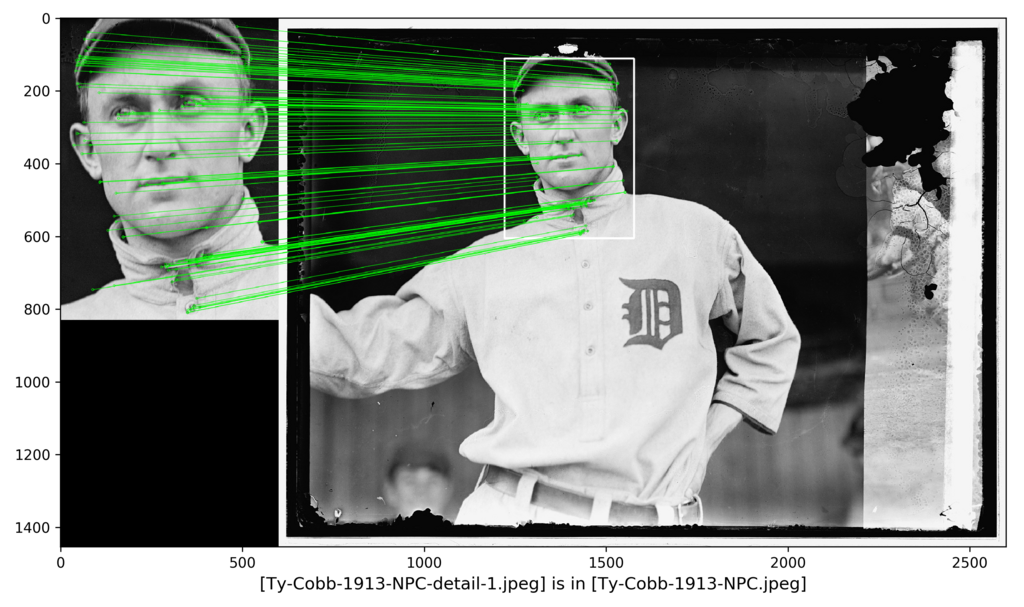
These foundational steps—turning an image into numbers, processing those numbers, and extracting key features—are the building blocks of all modern computer vision systems. They enable everything from unlocking your phone with your face to analyzing medical scans and guiding autonomous vehicles.
What is the primary goal of computer vision?
From a computer's perspective, what is a digital image fundamentally composed of?
By understanding these core concepts, you're ready to explore how computer vision is applied to solve complex problems in the real world.