Automating Inventory with Computer Vision
Introduction to Computer Vision
Giving Computers the Gift of Sight
Humans understand the world largely through sight. We can glance at a shelf and instantly know what’s there, what’s missing, and what’s out of place. Computer vision is a field of artificial intelligence that trains computers to interpret and understand the visual world. Using digital images from cameras and videos, machines can identify and classify objects, and then react to what they “see.”
Think of it like this: a computer sees an image not as a picture, but as a giant grid of numbers, where each number represents the color and brightness of a single pixel. Computer vision gives the machine rules and models to make sense of this sea of numbers. Instead of just seeing raw data, it learns to recognize patterns, shapes, and objects, much like our brains do.
The goal is to teach a machine to perceive the visual world, process what it sees, and make a decision based on that information. For inventory, that decision could be as simple as 'reorder milk'.
From Pixels to Products
Before a computer can identify a product on a shelf, the image it receives needs to be prepared. This is called image processing. The process often involves adjusting contrast, sharpening edges, or converting an image to black and white to make key features stand out. It’s like tidying up a messy room before you start looking for your keys; it makes the search much easier.
Once the image is clean, the real magic begins: object detection. This is the technique used to find and locate specific objects within an image. The system essentially scans the picture and draws a bounding box around anything it recognizes, then attaches a label to it. For a warehouse, this means a camera can scan a pallet and instantly identify every box, bottle, or part on it.
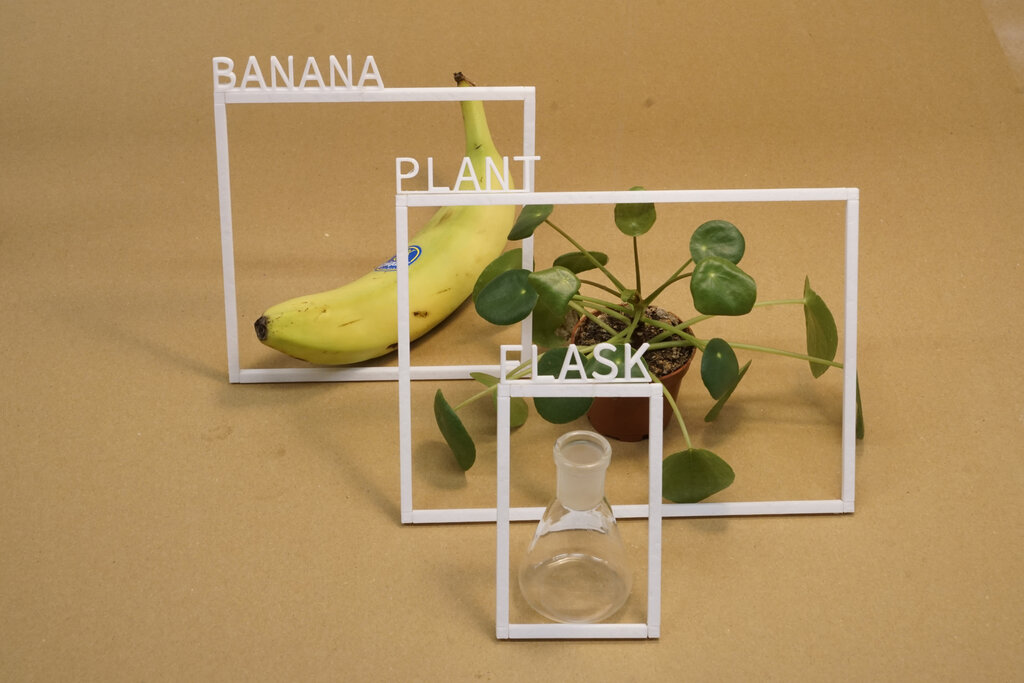
This ability is fundamental to automating inventory. Instead of a person walking through aisles with a scanner, a system of cameras can continuously monitor stock levels. It can see when a shelf is empty, count how many items are left, and even spot if a product is in the wrong place.
The Learning Machine
How does a computer learn to tell the difference between a can of soup and a bottle of juice? You can't write a rule for every possible scenario. The lighting might change, the product label could be slightly turned, or a box might be dented. This is where machine learning comes in.
Instead of being explicitly programmed, a computer vision model is trained. Developers feed it thousands or even millions of labeled images. For an inventory system, this would mean showing it countless pictures of a specific product from different angles and in various lighting conditions. Over time, the model learns the key features—like size, shape, color, and text on the label—that define that item.
The model isn't memorizing pictures; it's learning the underlying patterns of what makes a 'Product A' look like a 'Product A'. This allows it to recognize the product accurately, even in new images it has never seen before.
This training process is what makes computer vision so powerful and flexible. Once a model is trained, it can count items, track their movement through a warehouse, or alert a manager to low stock levels with incredible speed and accuracy. The system gets smarter and more reliable with more data, constantly improving its ability to see and understand the environment around it.
Now that you have an understanding of the key concepts, let's test your knowledge.
What is the primary goal of computer vision?
Before computer vision models can interpret an image, how does a computer fundamentally 'see' it?