Automating Inventory with Computer Vision
Introduction to Computer Vision
Teaching Computers to See
When you look at a photo of a dog, you instantly recognize it. You see its fur, its floppy ears, and its tail. You know it's a dog, not a cat or a car. For a computer, that same photo is just a grid of numbers, with each number representing the color and brightness of a single pixel.
Computer vision is the science of teaching computers to make sense of these pixels, to see and interpret the visual world just like we do. It’s a field of artificial intelligence that aims to automate tasks that the human visual system can do.
Computer vision is a branch of artificial intelligence (AI) that enables machines to interpret and analyze visual data from the world around them.
The goal is to enable computers to identify and process objects in images and videos in the same way that humans do. This involves developing algorithms that can detect shapes, recognize faces, and understand scenes.
A Brief History
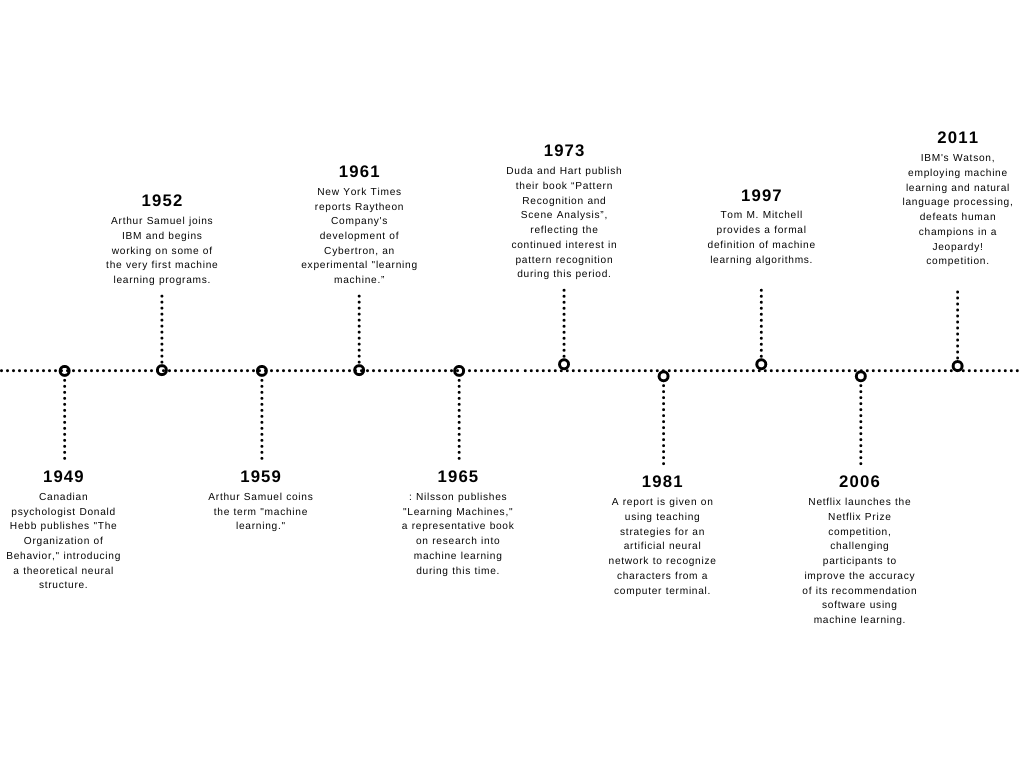
The dream of giving machines sight began in the 1960s. Early researchers were optimistic, believing they could solve the problem in a single summer. They quickly discovered it was far more complex than they imagined. The human brain dedicates a massive amount of processing power to vision, a feat that is incredibly difficult to replicate.
For decades, progress was slow. Scientists developed foundational techniques for detecting edges, corners, and simple shapes. But building a system that could reliably recognize a wide variety of objects in different settings remained a huge challenge.
The real breakthrough came with the rise of machine learning, especially a technique called deep learning, in the 2010s. By training complex models called neural networks on millions of labeled images, researchers finally started to achieve human-level performance on many visual tasks. Access to powerful computers and vast datasets from the internet fueled this revolution, turning computer vision from a niche academic field into a transformative technology.
The Basic Principles
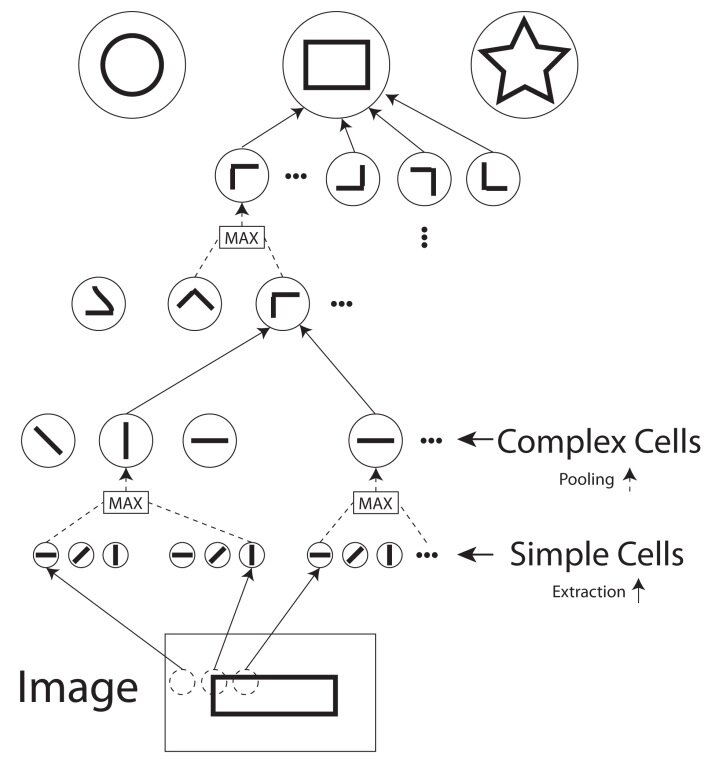
So, how does a computer go from a collection of pixels to recognizing an object? The process generally involves a few key steps. Think of it as a pipeline where the raw image is gradually transformed into useful information.
First, the system acquires an image or video. This is the raw input.
Next comes pre-processing. The image might be noisy or have poor lighting. This step cleans it up, adjusting brightness, converting it to grayscale, or removing imperfections to make the next steps easier.
Then, the system performs feature extraction. This is where the magic starts. The algorithm looks for interesting and informative parts of the image, like edges, corners, textures, or specific shapes. Instead of looking at every single pixel, it focuses on these key features. Early computer vision systems relied on hand-crafted feature detectors, but modern deep learning models learn to find the most relevant features automatically.
Finally, the extracted features are fed into a recognition or classification model. This part of the system makes a decision. Based on the features it has identified, it might classify an object (“this is a car”), detect its location (“the car is in this part of the image”), or segment the image by assigning a label to every pixel (“these pixels are road, these are sky”).
Real-World Applications
Computer vision is no longer just a laboratory experiment. It's an integral part of many technologies we use every day. Here are a few examples:
- Healthcare: It helps doctors analyze medical scans like X-rays and MRIs, spotting signs of disease that a human might miss.
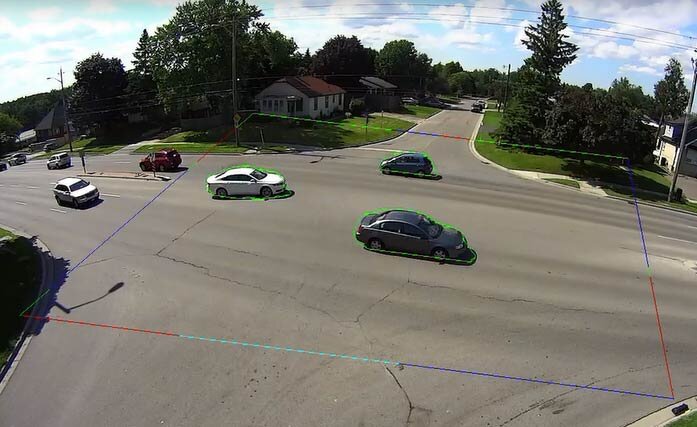
- Transportation: Self-driving cars use computer vision to see the road, detect pedestrians, read traffic signs, and navigate safely.
- Manufacturing: On assembly lines, vision systems inspect products for defects, ensuring quality control at a speed and accuracy humans can't match.
- Security: Facial recognition systems can unlock your phone or identify individuals in a crowd.
- Retail: Stores use cameras to monitor shelves, automatically detecting when products are out of stock.
These applications are just the beginning. As the technology continues to improve, computer vision will find its way into even more aspects of our lives.
Now, let's test your understanding of these core concepts.
What is the primary goal of computer vision?
According to the text, which development was the most significant breakthrough for modern computer vision?
Understanding these fundamentals provides a solid base for exploring how computer vision is applied to specific challenges.