Automating Inventory with Computer Vision
Introduction to Computer Vision
What Computers See
At its heart, computer vision is the science of teaching computers to see. Just like we use our eyes to understand the world, computer vision systems use cameras and algorithms to interpret visual information from images and videos. The goal isn't just to capture a picture, but to understand what's in it.
Think of it this way: taking a photo is like hearing a sound. Computer vision is like understanding the words being spoken.
This technology is already all around us. It helps self-driving cars navigate roads, lets you unlock your phone with your face, and even helps doctors analyze medical scans. One of its most powerful applications is in inventory management, where it can automate the tedious process of counting and tracking products.
From Pixels to Pictures
To a computer, an image isn't a single entity. It's a massive grid of tiny dots called pixels. Each pixel has a numerical value that represents its color and brightness. For a computer to "see," it must first process these millions of numbers. This is the first step of computer vision: image processing.
Basic image processing involves adjusting these pixel values to make the image easier to analyze. For example, an algorithm might:
- Convert to Grayscale: This simplifies the image by removing color information, leaving only shades of gray. It reduces complexity and helps the system focus on shapes and textures.
- Adjust Brightness and Contrast: This can make objects stand out from their background, much like adjusting the settings on your TV. By changing the pixel values, important features can be highlighted.
By manipulating these pixel values, the computer can prepare an image for the next, more complex step: figuring out what objects are actually in the picture.
Finding Objects in the Chaos
Once an image is processed, the system needs to identify specific items within it. This is called object detection. Instead of just seeing a jumble of pixels, the computer learns to recognize patterns—groups of pixels that consistently form a specific shape, like a bottle, a box, or a piece of fruit.
When the system successfully identifies an object, it typically draws a rectangular "bounding box" around it and applies a label. This pinpoints exactly where the object is in the image and what the system thinks it is.
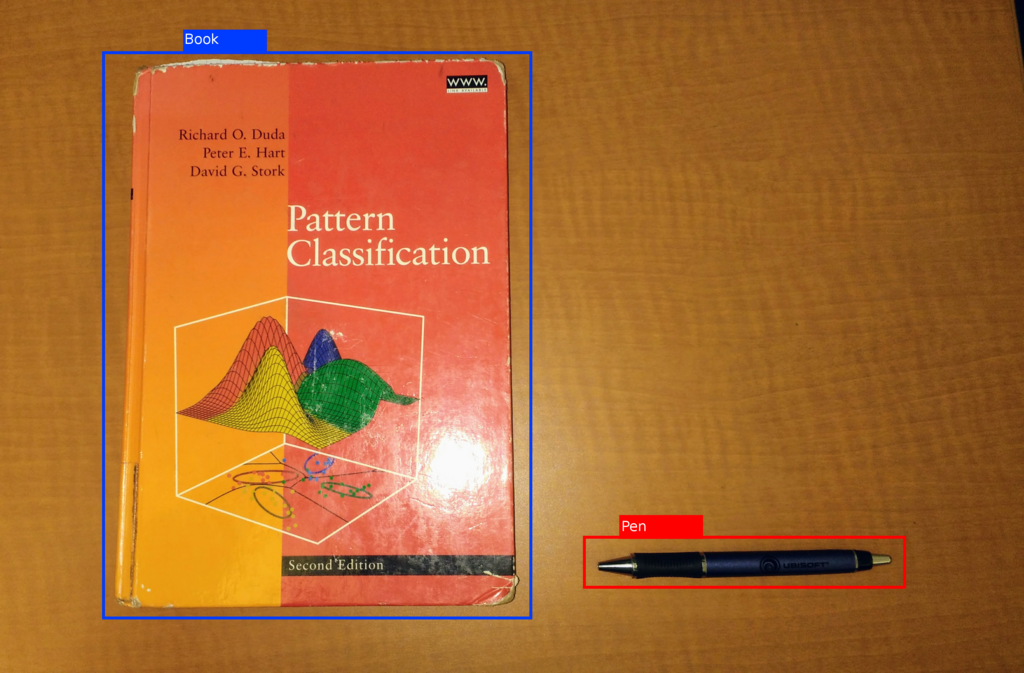
In a warehouse or on a store shelf, this means a camera can scan an area and instantly identify every product. It can count how many bottles of soda are left, spot when a box of cereal is in the wrong place, or flag an empty space that needs restocking. This eliminates the need for slow, error-prone manual counts.
Unlike traditional barcode scanning or manual counting methods, computer vision automates these processes, offering greater accuracy and efficiency.
How the Machine Learns
But how does a computer learn to tell the difference between a can of soup and a can of beans? The answer is machine learning.
A computer vision model is "trained" by showing it thousands or even millions of example images. In each image, the objects of interest are already labeled by humans. For an inventory system, this might mean feeding it countless pictures of a specific brand of coffee from different angles, in different lighting, and with different backgrounds.
Over time, the model learns the specific pixel patterns, textures, and shapes associated with that coffee brand. It learns to generalize, so it can recognize the product even if it's partially obscured or in poor lighting. The more data it sees, the more accurate it becomes.
This learning process is continuous. As new products are introduced or packaging changes, the system can be updated with new images, constantly improving its accuracy and usefulness.
By combining simple image processing, sophisticated object detection, and powerful machine learning, computer vision transforms a simple camera into a smart tool that can see and understand the world, automating tasks that once required a human eye.
What is the primary goal of computer vision?
In computer vision, what is the initial step of converting an image into a grid of numbers called?