Automating Inventory with Computer Vision
Introduction to Computer Vision
What Is Computer Vision?
At its core, computer vision is the science of teaching computers to see. Just as our brains process information from our eyes, computer vision systems extract meaningful information from digital images, videos, and other visual inputs. They don't just see pixels; they aim to understand what's in a picture.
Computer vision is a branch of artificial intelligence (AI) that enables machines to interpret and analyze visual data from the world around them.
Think about how effortlessly you can recognize a friend in a crowd, read a sign, or tell the difference between a cat and a dog. For a computer, these tasks are incredibly complex. Computer vision uses AI and machine learning to bridge that gap, allowing machines to perform these visual tasks, often with superhuman speed and accuracy.
A Quick Look Back
The dream of giving sight to machines is not new. The field officially began in the 1960s when AI pioneers believed they could solve the problem in a single summer. They quickly discovered it was far more difficult than anticipated.
Early research was heavily inspired by biology, trying to mimic the human visual cortex. Scientists learned that our brains process visual information in layers, starting with simple features like edges and lines and building up to complex objects. This layered approach would later become a cornerstone of modern computer vision.
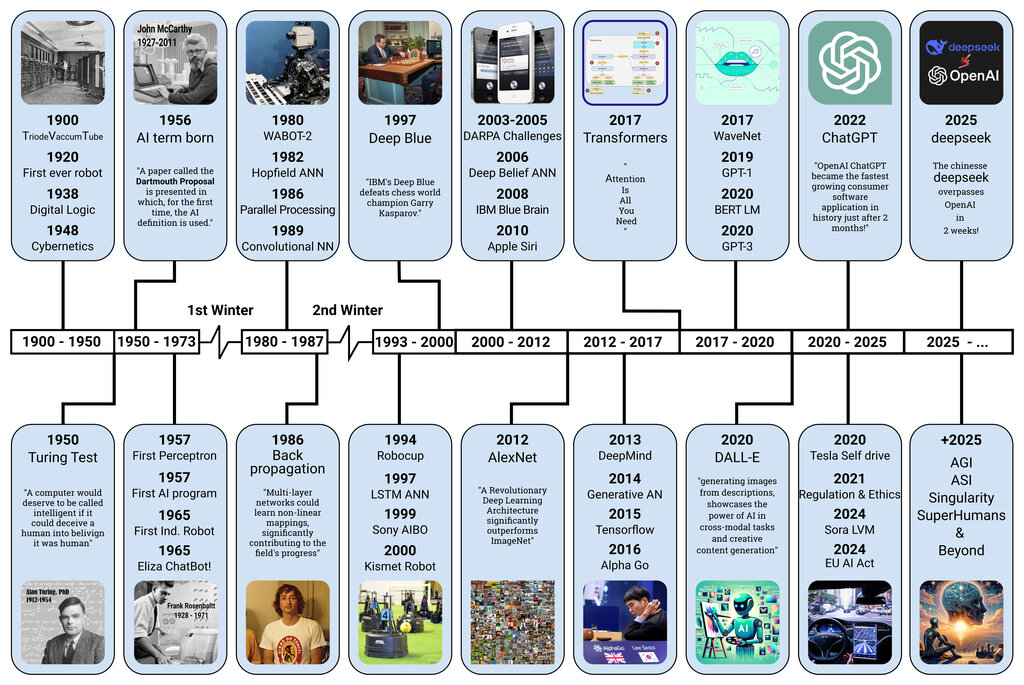
For decades, progress was slow. But the rise of the internet provided massive amounts of visual data for training, and significant leaps in computing power made it possible to process that data. The development of deep learning and neural networks in the 2000s and 2010s was the final key, unlocking the remarkable capabilities we see today.
How Computers See
To a computer, an image isn't a picture of a sunset or a puppy. It's just a grid of numbers. Each number represents a pixel, the smallest unit of a digital image. In a grayscale image, each pixel has one value representing its brightness, typically from 0 (black) to 255 (white).
Color images are a bit more complex. They are usually made of three overlapping grids, or "channels," one each for Red, Green, and Blue (RGB). By mixing the intensity values of these three colors for each pixel, a computer can create millions of different shades.
The first step in any computer vision task is image processing. This involves using algorithms to manipulate these grids of numbers. The goal might be to enhance the image (like increasing contrast to make details clearer) or to prepare it for analysis (like detecting edges or simplifying colors). This prepares the raw data for the more complex task of understanding its content.
Common Vision Tasks
Once an image is processed, a computer vision model can perform a variety of tasks. These are the building blocks that enable complex applications like self-driving cars or automated checkout systems.
| Task | Question it Answers | Example |
|---|---|---|
| Image Classification | "What is in this image?" | Labeling an image as 'cat', 'dog', or 'car'. |
| Object Detection | "Where are the objects in this image?" | Drawing a box around each person in a photo. |
| Image Segmentation | "Which pixels belong to each object?" | Coloring in the exact outline of a car, separating it from the road. |
Object detection is a crucial step in many applications. It goes beyond simple classification by not only identifying what is in an image but also locating it with a bounding box.
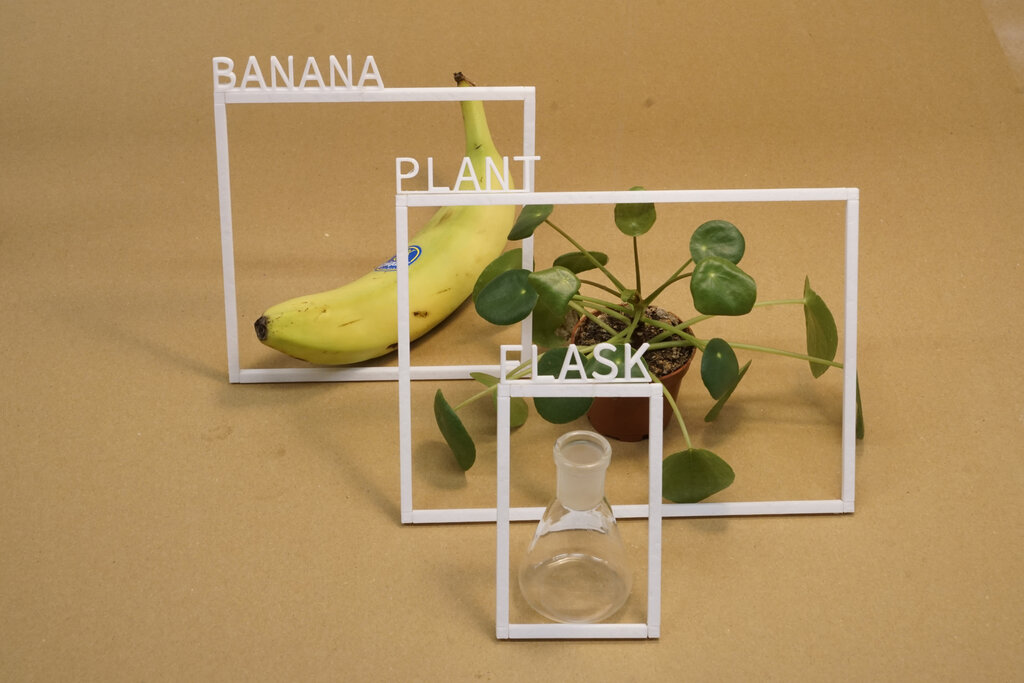
These fundamental tasks can be combined to solve intricate problems. For example, a self-driving car uses object detection to find pedestrians, segmentation to understand the exact boundaries of the road, and classification to read traffic signs. By mastering these core techniques, we can empower machines to navigate and understand the visual world.
Time to check your understanding.
What is the primary goal of computer vision?
How does a computer typically represent a standard color image?
Understanding these basics is the first step. Now we can explore how these concepts are applied to solve real-world problems.