Automating Faceless YouTube Channels
Understanding YouTube Basics
What is YouTube?
YouTube is more than just a website with videos. It's the world's second-largest search engine, right after Google. People come to it not just for entertainment, but to learn how to do things, research products, and follow news. At its core, it’s a platform built on user-generated content. Anyone with a camera and an internet connection can share their voice with a global audience.

This creates a direct relationship between creators, who upload videos, and viewers, who watch, comment, and subscribe. The platform acts as the middle ground, hosting the content and recommending it to users who might find it interesting. Understanding this dynamic is the first step to creating content that finds an audience.
The Rules of the Road
YouTube is a massive community, and like any community, it has rules to keep people safe. These are called the Community Guidelines. Before you upload anything, it's essential to understand what is and isn't allowed. Ignoring them can lead to your video being removed or even your entire channel being shut down.
The main goal of the guidelines is to prevent harmful, deceptive, and sensitive content from spreading on the platform.
The policies cover a few key areas:
- Spam & Deceptive Practices: This includes scams, misleading metadata (titles, thumbnails, or descriptions that trick users), and artificially inflating your view counts.
- Sensitive Content: This category restricts nudity, self-harm, and graphic violence.
- Harmful or Dangerous Content: You can't post content that encourages dangerous acts, promotes hate speech, or constitutes harassment.
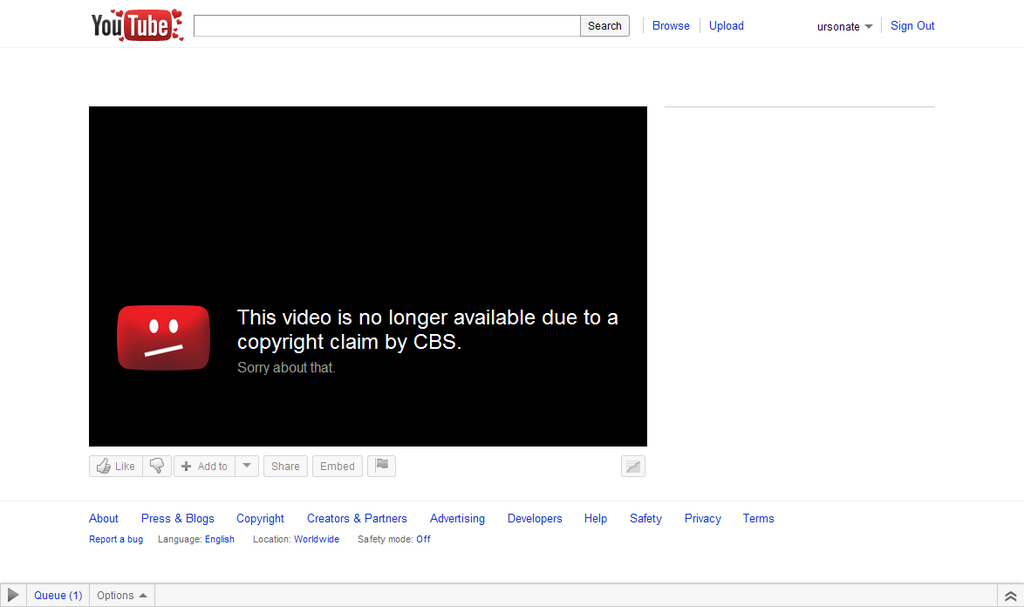
- Copyright: This is a big one. You can only upload content that you made or that you have permission to use. Using music, video clips, or images owned by someone else without permission can result in a copyright strike.
How YouTube Decides What You See
Why does one video get millions of views while another gets ten? The answer lies in the YouTube algorithm. It’s not a mysterious force, but a complex system designed to do one thing: serve the right video to the right viewer at the right time, keeping them on the platform longer.
Algorithm
noun
A process or set of rules followed by a computer to solve problems or make decisions. In YouTube's case, it decides which videos to recommend.
The algorithm looks at two primary signals to judge a video's performance:
- Click-Through Rate (CTR): When your video appears on someone's screen, do they click on it? This is heavily influenced by your video's title and thumbnail. A compelling combination leads to a higher CTR, signaling to YouTube that your video is appealing.
- Watch Time: After someone clicks, how long do they stay? This is arguably the most important metric. A long watch time (also called high audience retention) tells the algorithm that your video is engaging and delivers on the promise of its title and thumbnail.
A video that performs well in both areas is more likely to be recommended to a wider audience.
Why Go Faceless?
A faceless YouTube channel is one where the creator doesn't appear on camera. Instead, the content is conveyed through voice-overs, screen recordings, stock footage, animations, or text. This approach has several powerful advantages.
Faceless YouTube channels allow creators to focus on the content rather than their appearance, and they offer complete privacy for those who prefer to remain anonymous.
First, there's anonymity. Not everyone is comfortable being a public figure. A faceless channel allows you to share your knowledge and passion without putting your personal identity front and center.
Second is scalability. When you aren't the face of the channel, it's much easier to outsource tasks. You can hire scriptwriters, voice actors, and video editors to help you produce more content without being a bottleneck. This makes it easier to run the channel like a media company rather than a personal brand.
Finally, it puts the focus on value. Viewers subscribe and watch because the content itself is useful, entertaining, or informative, not because of the creator's personality. This can build a loyal audience that is there purely for the quality of your work.
With these basics in mind, you have a foundation for understanding how YouTube operates and why a faceless channel can be a strategic and effective way to share your ideas.