Automating ETL Testing
Introduction to ETL
What Is ETL?
Most organizations collect data from many different places. Customer information might live in one system, sales figures in another, and website traffic in a third. To get a complete picture, you need to bring all this data together. That's where ETL comes in.
ETL stands for Extract, Transform, and Load. It’s a fundamental process for moving raw data from various sources, cleaning it up, and storing it in a central location, like a data warehouse. Think of it like preparing a big meal. You extract ingredients from the fridge and pantry, transform them by chopping and cooking, and then load the finished dish onto a plate to be served.
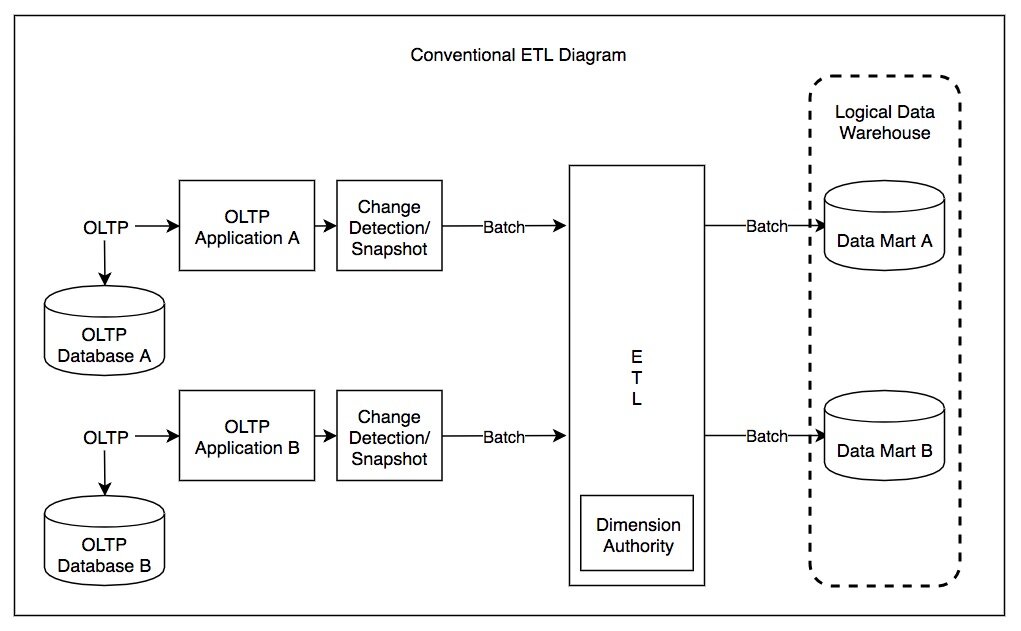
In ETL, Extraction is where data is extracted from homogeneous or heterogeneous data sources, Transformation where the data is transformed for storing in the proper format or structure for the purposes of querying and analysis and Loading where the data is loaded into the final target database, operational data store, data mart, or data warehouse.
The Three Stages
1. Extract
The first step is to pull data from its original sources. These can be incredibly diverse. Data might come from relational databases like SQL, customer relationship management (CRM) software, flat files like CSVs, or even web APIs. The goal of the extraction phase is to get a copy of the data from these systems so it can be worked on without affecting the original sources.
2. Transform
This is where the real work happens. Raw data is often messy, inconsistent, and not ready for analysis. The transformation stage cleans and reshapes the data to fit business needs. This can involve many different operations:
- Cleaning: Removing duplicate records or correcting errors, like misspelled city names.
- Standardizing: Converting data into a consistent format. For example, ensuring all dates are in a YYYY-MM-DD format or all units of measurement are metric.
- Enriching: Combining data from different sources to create a more complete picture. You might join customer contact information with their recent purchase history.
- Validating: Checking that the data conforms to specific rules, like ensuring an email address field actually contains a valid email.
3. Load
Once the data is transformed, it's loaded into its final destination. This is typically a data warehouse, which is a large, centralized repository designed for fast querying and analysis. The data is now structured, clean, and ready for business intelligence tools, data scientists, and analysts to use for reporting, dashboards, and deeper insights.
Common ETL Hurdles
While the concept of ETL is straightforward, implementing it can be complex. Several common challenges can arise.
Data Quality: Data from source systems can be incomplete, inaccurate, or inconsistent. The old saying "garbage in, garbage out" is especially true here. If poor-quality data enters the ETL pipeline, the resulting analysis will be unreliable.
Scalability: The amount of data businesses collect is constantly growing. ETL processes must be able to handle increasing volumes of data without slowing down to a crawl. A process that works for a few thousand records might fail when faced with millions.
Performance: Extracting, and especially transforming, large datasets can be computationally intensive. Optimizing these processes is crucial to ensure that data is available for analysis in a timely manner. A slow pipeline can mean decisions are based on outdated information.
Ready to check your understanding?
What does the acronym ETL stand for?
Which of the following activities is NOT part of the "Transform" stage in an ETL process?
ETL is the backbone of many data-driven organizations. By understanding how data is extracted, transformed, and loaded, you can better appreciate how raw numbers become valuable business insights.