Automating Business Processes
Introduction to Business Process Automation
What is Business Process Automation?
At its core, Business Process Automation (BPA) is about letting technology handle the repetitive, everyday tasks that are essential but time-consuming. Think of it as teaching a computer to follow a specific set of rules to get a job done, from start to finish, without needing a person to oversee every step.
Imagine processing an invoice. Manually, this involves receiving an email, opening an attachment, typing the data into a spreadsheet, sending another email for approval, and finally, scheduling the payment. Each step is simple, but together they take time and open the door for typos or delays.
BPA creates a digital workflow for this process. The system automatically fetches the invoice, extracts the necessary information, routes it for approval, and once approved, adds it to the payment queue. The human touch is only needed for the final approval, not the tedious steps in between. This frees up people to focus on more complex, strategic work that requires creativity and critical thinking.
By automating repetitive, time-consuming tasks, businesses can increase efficiency, reduce errors, and focus human resources on more complex and strategic activities.
The Core Principles
BPA isn't just about making one task faster; it's a philosophy for improving how an entire organization operates. It's built on a few key ideas:
- Automating Routine Tasks: The primary goal is to identify and automate predictable, rule-based work. If a task follows the same steps every time, it's a prime candidate for automation.
- Integrating Systems: Modern businesses use dozens of different applications—email, spreadsheets, CRM software, databases, and more. A major part of BPA is getting these separate systems to talk to each other seamlessly. Instead of an employee copying data from one system and pasting it into another, an automated workflow can move the information instantly and accurately.
- Enabling Digital Transformation: BPA is a cornerstone of digital transformation. It helps companies move away from paper-based, manual processes toward streamlined, digital operations. This not only improves efficiency but also makes the business more agile and able to adapt to change.
Why It Matters
The benefits of implementing BPA are clear and significant. It's not just about saving a few minutes here and there; it's about fundamentally changing how work gets done for the better.
First, there’s a major boost in productivity. Automated workflows can run 24/7 without breaks, handling a high volume of tasks much faster than a person could. This means customer requests are handled quicker, reports are generated on time, and projects keep moving forward.
Second, it drives down costs. Automating tasks reduces the number of hours people spend on manual labor. More importantly, it dramatically reduces the risk of human error. Fewer mistakes mean less time and money spent on fixing problems, and it ensures greater consistency and quality in the work produced.
Finally, BPA leads to better decision-making. When processes are automated, they generate clean, reliable data about how work is flowing through the organization. Managers can use this data to spot bottlenecks, understand performance, and make informed decisions about how to improve operations even further.
The BPA Tools Market
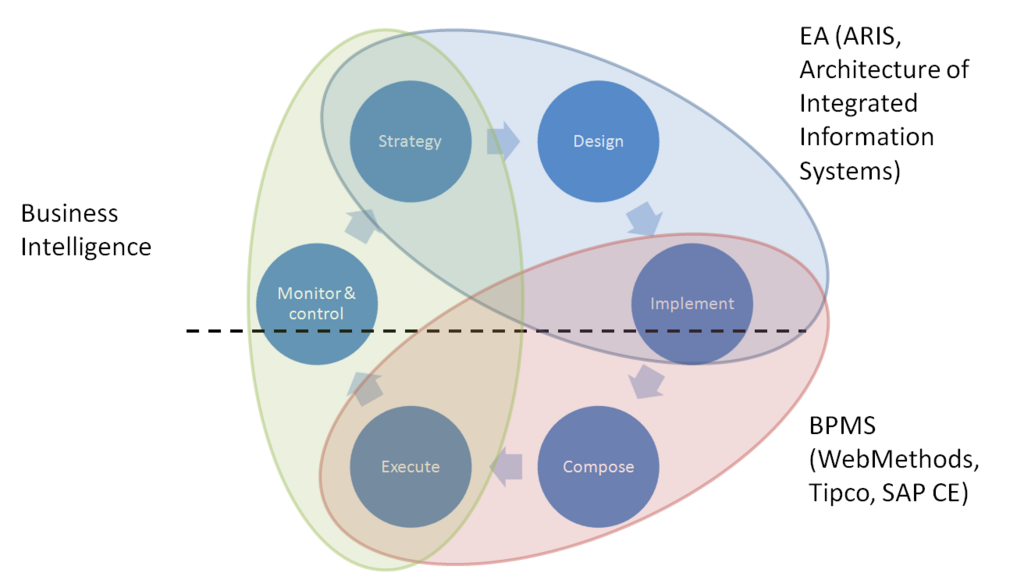
The market for BPA software is large and growing, with tools available for businesses of all sizes. These platforms vary in complexity, from simple apps that automate a single workflow to comprehensive suites that can manage and orchestrate processes across an entire enterprise.
Some well-known names in this space include Microsoft Power Automate, which integrates deeply with the Office 365 ecosystem, and specialized Robotic Process Automation (RPA) vendors like UiPath and Automation Anywhere, which use software "bots" to mimic human actions on a computer. There are also broader platforms like ServiceNow that embed automation into IT and business management workflows.
The key isn't to know every vendor, but to understand that there's a wide spectrum of tools available. Choosing the right one depends on the complexity of the process you want to automate, the systems you need to connect, and your overall business goals.
The best way to start with BPA is often to pick one repetitive, high-volume process that is causing delays or errors and focus on automating it first. Small wins build momentum for larger transformation.
Ready to check your understanding of Business Process Automation?
What is the primary goal of Business Process Automation (BPA)?
Which of the following tasks is the best candidate for BPA?
Business Process Automation is a powerful tool for any organization looking to become more efficient, accurate, and data-driven. By taking repetitive tasks off people's plates, it allows teams to focus on what they do best: solving problems and creating value.