Automated Trading Systems
Introduction to Automated Trading
Trading at the Speed of Light
For decades, the image of a stock exchange was one of controlled chaos. Traders in colorful jackets shouted orders, waved hand signals, and scribbled on notepads in a crowded trading pit. Success depended on a sharp mind, a loud voice, and quick reflexes. Today, most of that action has moved from the floor to the server.
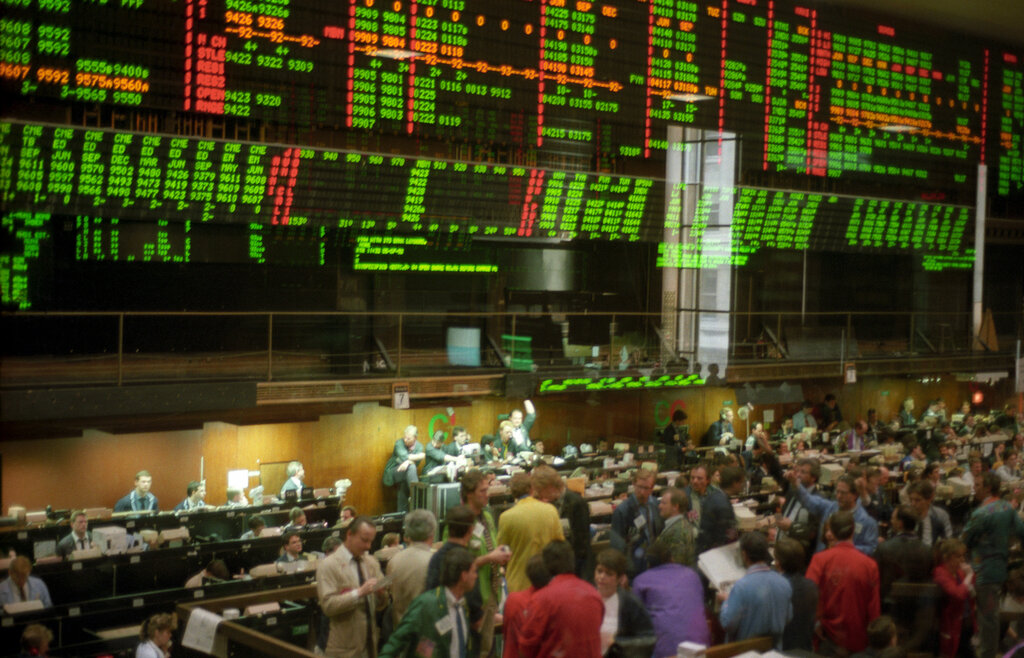
Welcome to the world of automated trading. At its core, it's the use of computer programs to execute trades based on a predefined set of rules, or algorithms. Instead of a person watching charts and clicking a “buy” or “sell” button, the software does it automatically. These rules can be simple, like “buy 100 shares of XYZ stock if its price drops by 2%,” or incredibly complex, analyzing dozens of market indicators at once.
The goal is to remove human emotion and split-second hesitation from the trading process, replacing it with cold, hard logic and lightning-fast execution.
This shift didn’t happen overnight. It began in the 1970s with what was called "program trading," where large orders were split into smaller pieces and executed over time to minimize market impact. The rise of electronic exchanges like NASDAQ in the 1980s and the explosion of the internet in the 1990s paved the way. As computers got faster and data became more available, automated systems evolved from a tool for large institutions to something accessible even to individual traders.
Benefits and Pitfalls
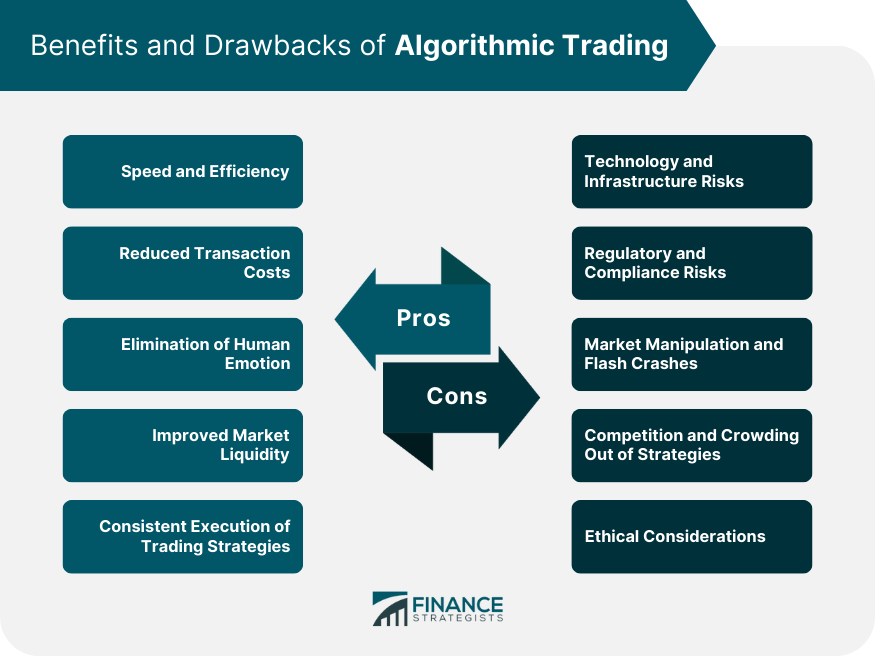
Why hand over the reins to a machine? The advantages are compelling. First is speed. An algorithm can react to market news and execute a trade in microseconds, a speed no human can match. This precision helps in getting the best possible price.
AI-driven algorithms can execute trades at speeds unimaginable to a human trader.
Second, automation removes emotion. Fear and greed are powerful forces that can lead even experienced traders to make irrational decisions, like panic-selling during a downturn or holding onto a losing stock for too long. An algorithm doesn't feel fear or greed; it just follows its instructions. This brings discipline to the trading process.
Another key benefit is the ability to backtest. Before risking a single dollar, a trader can test their strategy on years of historical market data. This helps identify flaws and refine the rules to see how the strategy would have performed under different market conditions.
However, automation is not a magic wand. The systems are only as good as the humans who design them. A poorly designed algorithm can lead to significant losses. There's also the risk of technical failure. A server crash, a bug in the code, or a lost internet connection can be disastrous if it happens at the wrong moment.
There's also the danger of over-optimization, where a strategy is tuned so perfectly to past data that it fails to adapt to new, live market conditions. The past is a guide, not a guarantee.
A Spectrum of Systems
Automated trading isn't a single thing; it's a broad category that includes different approaches.
Algorithmic Trading
adjective
The use of computer programs to execute a defined set of trading instructions. This is the general term for most automated systems.
A specific and well-known subset of algorithmic trading is High-Frequency Trading (HFT). HFT uses incredibly powerful computers and sophisticated algorithms to analyze markets and execute a massive number of orders in fractions of a second. These systems often co-locate their servers in the same data centers as the stock exchanges to cut down on data travel time by milliseconds. The goal of HFT isn't to make a large profit on a single trade, but to make a tiny profit on millions of trades.
The Market's New Rhythm
The rise of automated trading has fundamentally changed financial markets. One of the biggest impacts is increased market liquidity. With so many automated systems ready to buy or sell at any given moment, it's generally easier for traders to execute their orders quickly and at a fair price. This efficiency can lower transaction costs for everyone.
On the other hand, the incredible speed of these systems can also contribute to market volatility. The "Flash Crash" of 2010, where the Dow Jones Industrial Average plunged nearly 1,000 points in minutes before recovering, was partly blamed on the interaction between high-frequency trading algorithms reacting to a large sell order. This event highlighted how automated systems, all following similar logic, can sometimes amplify market movements in unexpected ways.
Automated systems have made markets more efficient, but they've also introduced a new kind of complexity and risk.
Love it or hate it, automated trading is here to stay. It represents a major evolution in how financial markets operate, turning trading into a battle of algorithms as much as a contest of human intuition. Understanding its basic principles is key to understanding the modern financial world.
What is the core principle of automated trading?
Which of the following is considered a primary advantage of using an automated trading system over a human trader?