Automated Sales Funnel Mastery
Understanding Sales Funnels
What Is a Sales Funnel?
Think of a real-world funnel, wide at the top and narrow at the bottom. You pour a lot in, but only a focused stream comes out. A sales funnel works the same way for customers. It's a model that shows the path potential customers take, from first hearing about a brand to making a purchase.
A sales funnel is a visual representation of the customer journey, outlining the steps prospects take from initial awareness to final conversion.
The goal is to guide people through this journey. At the top, you have a large group of people who might be interested. As they move down, some will drop off, but those who remain become more and more likely to become customers. Each step is designed to bring them closer to a final decision.
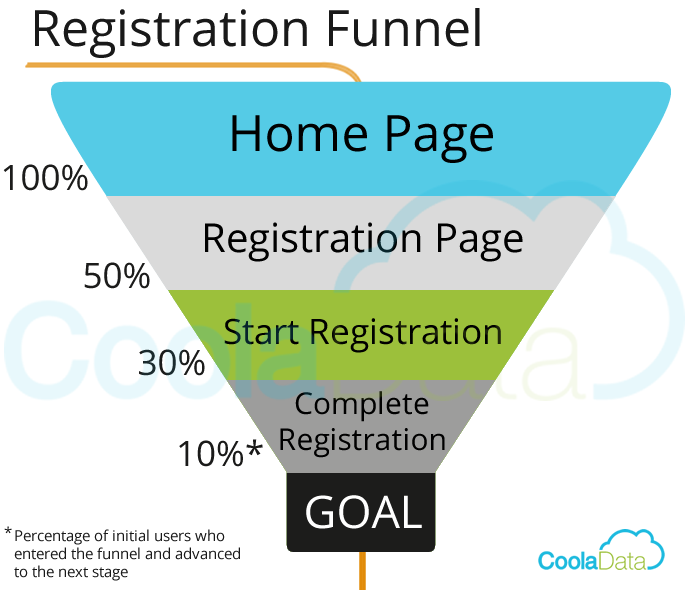
The Four Stages of a Funnel
A standard sales funnel is broken down into four key stages. Each stage represents a different mindset for the customer and requires a different approach from the business. The model is often called AIDA, which stands for Awareness, Interest, Decision, and Action.
Let's walk through what each of these stages means for the customer and the business.
Awareness
This is the very top of the funnel, where potential customers first become aware of your product or service. They might not even know they have a problem yet, let alone that you offer a solution. They could find you through a blog post, a social media ad, or by hearing a friend talk about your company.
The goal at this stage is simply to get on their radar. You're casting a wide net to attract as many people as possible. The content is usually educational or entertaining, not a hard sell. You're introducing yourself and what you're about.
Example: A person scrolling through Instagram sees a sponsored post for a meal delivery service. They've never heard of it before, but the food looks good. They are now in the Awareness stage.
Interest
Once someone knows you exist, they move into the interest stage. Here, they are actively looking for solutions to their problem and trying to learn more. They are doing research, comparing options, and figuring out what they need.
Your job is to help them. This is where you can provide more in-depth content like case studies, webinars, or detailed product guides. You're no longer just getting their attention; you're building trust and positioning yourself as an expert who can help.
Example: The person from the Instagram ad clicks through to the meal service's website. They browse the menus, read about how the service works, and check the pricing. They are now in the Interest stage.
Decision
At this point, the potential customer is ready to make a choice. They've done their research and have narrowed their options down to a few contenders, and you're one of them. They're looking for that final nudge to help them decide.
This is where you make your best offer. It could be a free trial, a discount code, or a live demo. Customer reviews and testimonials are also powerful at this stage, as they provide social proof that you deliver on your promises. The goal is to make your solution the clear and obvious choice.
Example: The meal delivery service offers a 25% discount on the first order. The potential customer compares this offer with another service they were considering. They are now in the Decision stage.
Action
This is the bottom of the funnel, where the magic happens. The customer takes action and makes a purchase. They sign up for your service, click the "buy" button, or sign the contract. They have officially converted from a potential lead into a paying customer.
But the journey doesn't end here. The action stage also includes customer onboarding and retention. The goal is to deliver a great experience so they stick around, make repeat purchases, and maybe even tell their friends about you, starting the funnel all over again for someone new.
Example: Convinced by the discount and positive reviews, the person enters their payment information and places their first order. They have completed the Action stage and are now a customer.
Understanding these four stages is the first step in building a process that can consistently turn strangers into happy customers.
Ready to test your knowledge? Let's see what you've learned about sales funnels.
What is the primary purpose of a sales funnel?
What does the acronym AIDA stand for in the context of a sales funnel?
By visualizing the customer journey as a funnel, businesses can better understand their audience's needs at each step and guide them toward a solution.