Automated Sales Funnel Mastery
Understanding Sales Funnels
What is a Sales Funnel?
A sales funnel is a model that illustrates the journey a potential customer takes, from first learning about your brand to making a purchase. Think of it as a roadmap. Not everyone who starts the journey will finish it, which is why it's shaped like a funnel—wide at the top and narrow at the bottom.
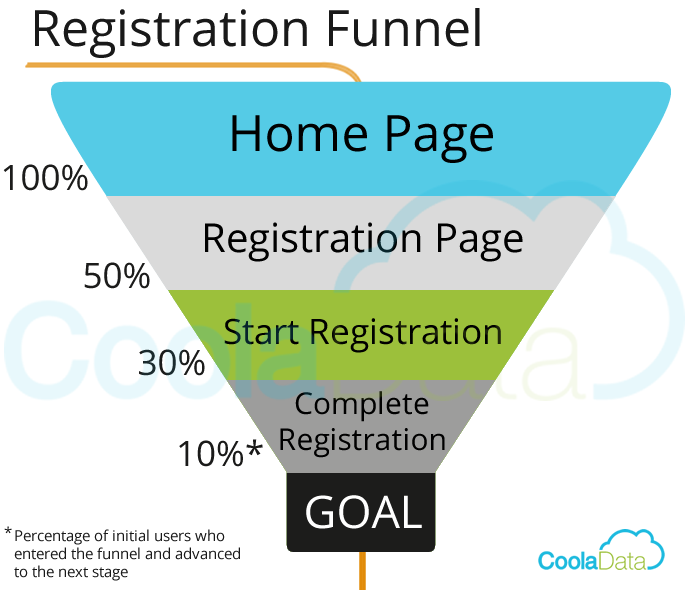
The main purpose of a sales funnel is to guide people through the buying process in a structured way. By understanding this journey, businesses can identify where they're losing potential customers and figure out how to improve their marketing and sales efforts at each step. A well-designed funnel helps turn casual browsers into committed buyers.
A sales funnel is a visual representation of the customer journey, outlining the steps prospects take from initial awareness to final conversion.
The Stages of the Funnel
A sales funnel is typically broken down into several stages. While the names can vary, the core concepts remain the same. Let's walk through a common five-stage model: awareness, interest, consideration, conversion, and retention.
| Stage | Description | Goal |
|---|---|---|
| Awareness | A person first learns about your product or service. | Grab attention and make a strong first impression. |
| Interest | The person actively seeks more information. | Nurture their curiosity and provide valuable content. |
| Consideration | They are now comparing your solution with others. | Show why your product is the best choice for them. |
| Conversion | The customer decides to buy. | Make the purchase process as simple as possible. |
| Retention | The focus shifts to keeping the customer happy. | Encourage repeat business and turn customers into advocates. |
Each stage requires a different approach. In the Awareness stage, you might catch someone's eye with a blog post or a social media ad. Once they're in the Interest stage, they might sign up for your newsletter to learn more.
During Consideration, they could be looking at reviews, case studies, or product demos to see if you're the right fit. The Conversion stage is the finish line, where they click "buy now." But the journey doesn't end there. Retention is about following up, providing great customer service, and building a long-term relationship.
Why Automate the Funnel?
Manually guiding every single person through a sales funnel would be incredibly time-consuming. This is where automation comes in. By using software to handle repetitive tasks, businesses can nurture leads more efficiently.
For example, when someone downloads a guide from your website (showing interest), an automated system can send them a series of follow-up emails with more helpful information, moving them toward the consideration stage without you lifting a finger.
Automating the sales funnel ensures that communication is consistent and timely. It frees up your team to focus on more complex tasks, like talking to highly qualified leads or improving the overall strategy. It helps create a smoother, more personalized experience for the customer, which can lead to higher conversion rates.
An automated sales funnel simplifies this process by reducing manual effort, streamlining workflows, and ensuring consistent communication at every stage of the buyer’s journey.
Now, let's test what you've learned about sales funnels.
What is the primary purpose of a sales funnel?
The sales funnel model is wide at the top and narrow at the bottom because...
Understanding the sales funnel is the first step toward building a predictable and scalable way to grow a customer base.