Automated Sales Funnel Mastery
Sales Funnel Basics
What Is a Sales Funnel?
Think of a physical funnel in a kitchen. You pour a lot of liquid in the wide top, and a smaller, more focused stream comes out the narrow bottom. A sales funnel works the same way for customers. It's a model that maps out the journey someone takes from first hearing about a product to actually buying it.
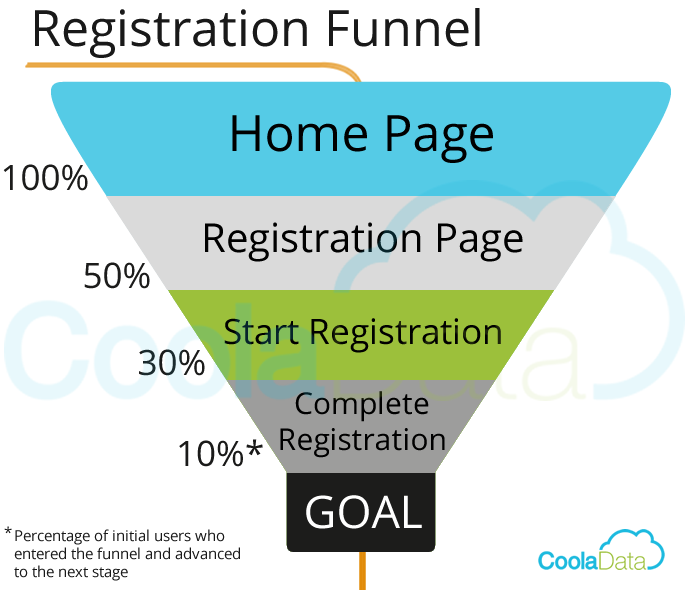
A sales funnel is a visual representation of the steps a prospect takes from discovering your brand to becoming a customer.
At the top, you have a large group of people who might be slightly interested. As they move down, some people lose interest and drop out. The ones who remain become more and more likely to make a purchase. By the time they reach the bottom, you have a small group of committed customers. This process helps businesses understand and guide potential customers, making the path to purchase clearer for everyone.
The Four Stages of a Funnel
The classic sales funnel is broken down into four stages, often called the AIDA model. It describes the mindset of a potential customer at each step of their journey.
Let's break down each stage.
1. Awareness: This is the first impression. A potential customer becomes aware that your business exists. They might see an advertisement, read a blog post you wrote, or hear about you from a friend. They aren't ready to buy; they just know you're out there.
2. Interest: The person's curiosity is sparked. They start to research your company and what you offer. They might follow you on social media, subscribe to your email list, or browse your website to learn more. They are actively engaging and considering if you can solve a problem they have.
3. Desire: At this stage, interest turns into want. The potential customer has compared you with competitors and has decided they like your product. They might be reading customer reviews, watching demo videos, or imagining how your product would improve their life. They've moved from "This is a neat solution" to "I think I need this solution."
4. Action: This is the final step. The prospect takes action and becomes a customer. They click the "buy now" button, sign a contract, or make a purchase. The goal of the funnel is to get as many qualified people as possible to this stage.
Why Bother with a Funnel?
Mapping out a sales funnel isn't just a theoretical exercise. It provides tangible benefits for a business.
One of the biggest advantages is better customer targeting. By understanding the stages, you can create specific marketing messages for people at each step. Someone in the Awareness stage needs different information than someone in the Desire stage. This targeted approach is much more effective than using a one-size-fits-all message.
For example, you wouldn't ask someone to marry you on a first date. Similarly, you wouldn't ask a brand new visitor to your website to make a 💲500 purchase. A funnel helps you build the relationship first.
This leads directly to increased conversion rates. A conversion happens when a person takes a desired action, like making a purchase or signing up for a newsletter. By guiding people smoothly from one stage to the next and removing any friction, you make it easier for them to act. A well-structured funnel identifies where people are dropping off, so you can fix the leaks and convert more prospects into customers.
Finally, a sales funnel gives you predictability. Once you know the conversion rate at each stage, you can predict future sales. For instance, if you know that for every 1,000 visitors to your website, 10 become customers, you can calculate how much traffic you need to hit your sales goals. This makes business planning much more reliable.
Now that you understand the what, why, and how of sales funnels, let's test your knowledge.
What is the primary purpose of a sales funnel in business?
The AIDA model describes the four stages of a classic sales funnel. What does AIDA stand for?
Understanding these core concepts is the first step in building a process that can consistently turn strangers into happy customers.