Automated Sales Funnel Mastery
Understanding Sales Funnels
What is a Sales Funnel?
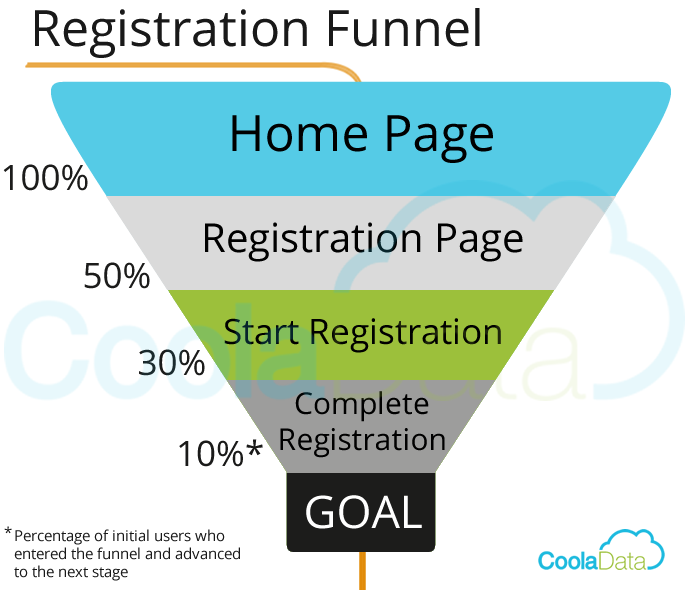
A sales funnel is a map of the path a potential customer takes on their way to a purchase. Think of it like a real-world funnel. At the top, you pour in a lot of liquid—these are all the people who might be interested in what you're selling. As they move down, the funnel gets narrower. Some people lose interest, find a different solution, or decide it's not the right time. The ones who come out the bottom are your paying customers.
A sales funnel is a visual representation of the customer journey, outlining the steps prospects take from initial awareness to final conversion.
The purpose of understanding this journey is to see where people are dropping off and why. If you can identify the leaks in your funnel, you can fix them and guide more people toward becoming happy customers.
The Stages of the Funnel
The customer journey is typically broken down into four main stages. Each stage represents a different mindset and requires a different approach from you.
1. Awareness This is the top of the funnel, where potential customers first become aware of your brand or product. They have a problem and are starting to look for solutions, but they may not know you exist yet. The goal here is to attract a wide audience through things like blog posts, social media, or advertising.
2. Consideration Once people are aware of you, they move into the consideration stage. They are now actively researching and evaluating whether your product or service is the right fit. At this point, you need to provide more detailed information to build trust and demonstrate value. Think case studies, product demos, or detailed guides.
3. Decision At the bottom of the funnel, prospects are ready to make a choice. They've done their research and are likely comparing your offer against a few competitors. This is where you make a compelling case for why they should choose you. Special offers, free trials, or positive customer reviews can push them to take action.
4. Retention After a purchase, the journey isn't over. The goal of the retention stage is to turn a one-time buyer into a loyal, repeat customer and even an advocate for your brand. This involves excellent customer service, follow-up communication, and loyalty programs. It's often easier and more cost-effective to keep an existing customer than to find a new one.
Common Challenges
Managing a sales funnel isn't always straightforward. A common challenge is a "leaky" funnel, where a large number of potential customers drop out at a specific stage. For example, you might get a lot of website traffic (Awareness), but very few people sign up for your newsletter (Consideration). This signals a problem. Perhaps your sign-up form is confusing, or the value isn't clear.
Another issue is not knowing your customer well enough. If you don't understand their problems and what they're looking for at each stage, the content and offers you present won't resonate, and they'll leave the funnel.
Finally, a lack of follow-up can lose sales. A potential customer who shows interest but doesn't buy immediately might just need a gentle nudge or a bit more information. Without a system to stay in touch, that lead goes cold.
By understanding these basic concepts, you can start to visualize your own customer's journey and find opportunities to guide them more effectively.