Automated Sales Funnel Mastery
Understanding Sales Funnels
What Is a Sales Funnel?
Think of a physical funnel in a kitchen. You use it to guide a large amount of liquid into a small opening without making a mess. A sales funnel does something similar, but for customers. It’s a model that maps out the path a potential customer takes, from the very first time they hear about your business to the moment they make a purchase.
A sales funnel is a visual representation of the customer journey, outlining the steps prospects take from initial awareness to final conversion.
The top of the funnel is wide because it includes everyone who might possibly be interested. As people move down, the funnel narrows. Some will lose interest, others will find a different solution, and a smaller group will continue until they become paying customers. The goal is to understand this journey so you can guide people through it smoothly.
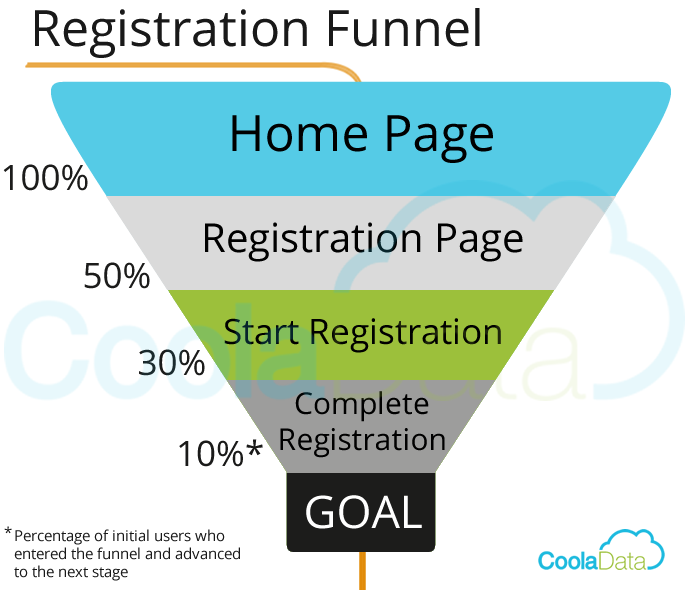
The Five Stages
The customer's journey is typically broken down into five distinct stages. At each step, your marketing approach needs to match what the customer is thinking and feeling.
1. Awareness This is the top of the funnel, where potential customers first become aware of your brand or product. They might not even know they have a problem yet. Your marketing goal here is simply to get on their radar. This is done through content like blog posts, social media updates, infographics, or advertisements that reach a broad audience.
Example: A person scrolling through social media sees a sponsored post for a meal-planning app. They weren't actively looking for one, but now they are aware it exists.
2. Interest Once aware, a person might become interested. They've identified a problem or a need and are actively looking for solutions. They are now a "lead." The goal is to provide them with helpful, engaging information that builds trust and positions you as an expert. This could be through detailed guides, webinars, or email newsletters.
3. Consideration At this stage, the lead is actively considering your product against your competitors'. They are comparing features, pricing, and reviews. Your marketing needs to be more targeted, showing exactly why your solution is the best choice for them. Case studies, product demos, and free trials are effective here because they provide proof and a hands-on experience.
Example: The person from our earlier example signs up for a free trial of the meal-planning app and also checks out two other competing apps to see which one they like best.
4. Decision Also known as the conversion stage, this is where the potential customer is ready to buy. They just need a final nudge. The marketing goal is to make the purchase as easy and compelling as possible. This is the time for a special offer, a discount code, or customer testimonials that build final confidence.
5. Action The customer makes the purchase and becomes part of your user base. The journey isn't over, though. This stage also includes customer onboarding and retention. The goal is to deliver a great experience that turns a one-time buyer into a loyal customer who might buy again or recommend you to others.
Why Bother with a Funnel?
Mapping out your sales funnel helps you understand your customers' mindset at each step. By aligning your marketing efforts with each stage, you can provide the right message at the right time. This prevents you from trying to sell to someone who is just learning about you, or from sending basic info to someone who is ready to buy.
It gives your sales and marketing process a clear structure, making it easier to see where you're losing potential customers and what parts of your strategy need improvement. A well-designed funnel guides people from stranger to happy customer in a logical, effective way.
What is the primary purpose of a sales funnel in marketing?
Which stage is at the very top of the sales funnel, where the goal is simply to get on a potential customer's radar?