Automated Sales Funnel Mastery
Sales Funnel Basics
What Is a Sales Funnel?
Think of a physical funnel in your kitchen. You pour a lot of liquid in the wide top, and a smaller, more focused stream comes out the narrow bottom. A sales funnel works the same way for customers. It’s a marketing concept that maps out the journey a potential customer goes on, from the first time they hear about your brand to the moment they make a purchase.
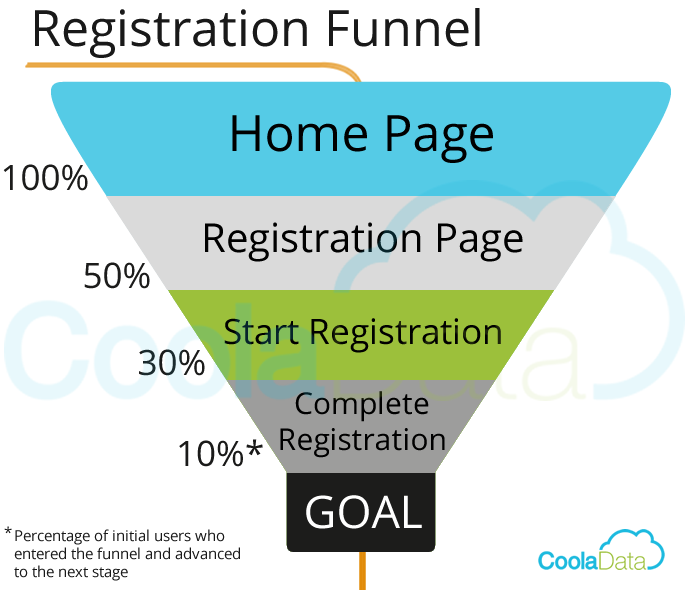
A sales funnel is a visual representation of the customer journey, outlining the steps prospects take from initial awareness to final conversion.
Lots of people might visit your website (the top of the funnel), but only a fraction will end up buying something (the bottom). The funnel helps you understand this process, see where people are dropping off, and find ways to guide them more effectively toward a decision.
Without a clear funnel, you're just guessing. With one, you have a roadmap for turning strangers into satisfied customers.
The Five Stages
The customer's journey isn't a single leap; it's a series of smaller steps. We can break the sales funnel down into five distinct stages. Each one represents a different mindset the customer is in and requires a different approach from the business.
Let's walk through what happens at each of these stages.
From Awareness to Action
Awareness
noun
The first stage where a potential customer becomes aware of a problem they have and discovers your brand as a possible solution.
This is the very top of the funnel. The person might not even know they need your product yet. They could stumble upon your brand through a blog post, a social media ad, or a recommendation from a friend. The goal here isn't to make a sale, but simply to get on their radar and make a good first impression.
Interest: In this stage, the person is actively researching solutions to their problem. They are no longer a passive observer; they are an engaged shopper.
They start looking for more information. They'll read your website, compare features, and maybe sign up for your newsletter. Your job is to provide them with helpful content that builds trust and demonstrates your expertise.
Consideration: The prospect is now comparing your product with others. They are narrowing down their options and looking for the best fit.
At this point, they’re a qualified lead. They know what they want, and they’re trying to decide who to buy it from. They might be reading reviews, watching demo videos, or looking at case studies. This is where you need to show them why your solution is the superior choice.
Next comes the Decision stage. The customer is ready to buy. They might just need a little nudge, like a free trial, a discount code, or a customer testimonial to feel confident in their choice.
Finally, we have the Action stage. This is the bottom of the funnel, where the prospect becomes a paying customer. They add the product to their cart and complete the purchase. The journey is complete.
Time to check your understanding of these core concepts.
What is the primary purpose of a sales funnel in marketing?
A potential customer signs up for your newsletter to get more information after seeing one of your social media ads. This person is most likely in the ______ stage.
Understanding these stages is the first step in building a process that reliably turns interest into revenue.