Automated Sales Funnel Mastery
Sales Funnel Basics
What is a Sales Funnel?
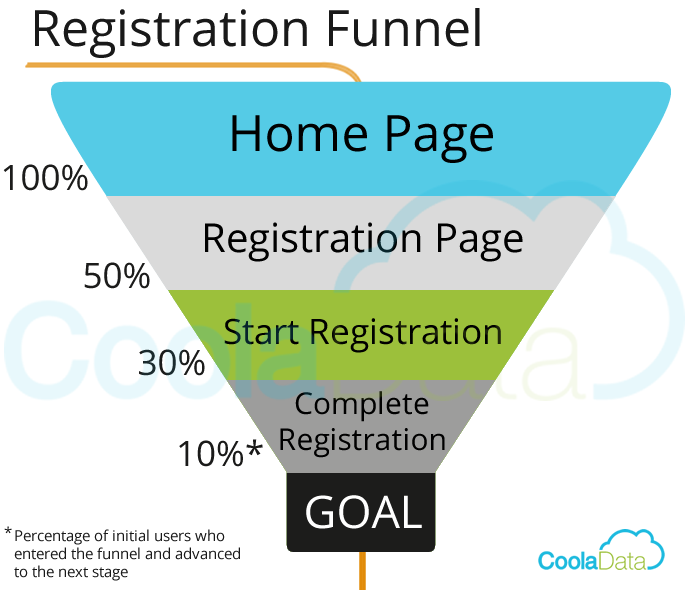
A sales funnel is the path a potential customer takes from first learning about your brand to making a purchase. It's called a funnel because at the beginning, you have a wide group of people who might be interested. As they move through the process, some drop off, and the group gets smaller, just like the shape of a real funnel. The goal is to guide as many people as possible from the wide top to the narrow bottom, where they become a customer.
A sales funnel is a visual representation of the customer journey, outlining the steps prospects take from initial awareness to final conversion.
Think of it as a journey with distinct stages. Each stage represents a different mindset the customer is in. By understanding this journey, you can create a marketing and sales strategy that meets people where they are, giving them the right information at the right time to help them move forward.
The Four Stages of a Funnel
A classic sales funnel has four main stages, often remembered by the acronym AIDA. Let's break down what happens at each step and what a potential customer is thinking.
1. Awareness This is the top of the funnel, where potential customers first become aware of a problem they have and discover your brand as a potential solution. They might find you through a blog post, a social media ad, or by searching online. At this stage, they're not ready to buy. They're just gathering information.
2. Interest Once someone is aware of you, they move into the interest stage. Here, they are actively researching and learning more about your company and what you offer. They might subscribe to your newsletter, download a guide, or follow you on social media. They are engaged but still weighing their options.
In the interest stage, the goal is to build trust and position yourself as a helpful expert, not just a seller.
3. Decision At this point, the prospect is ready to make a purchase, but they're trying to decide who to buy from. They are comparing your product's features, pricing, and reviews against your competitors. Your job is to make a compelling offer that shows why you're the best choice. Case studies, free trials, or special discounts can be very effective here.
4. Action This is the final stage, the bottom of the funnel. The customer takes the desired action: they buy your product or sign up for your service. But the journey isn't over. This stage also includes turning a one-time buyer into a repeat customer and a loyal advocate for your brand. Good customer service and follow-up are key.
Why It Matters
Understanding the sales funnel is crucial because it gives your marketing a clear structure. Instead of trying random tactics, you can create targeted content and offers for each specific stage. This makes your marketing more efficient and effective.
By mapping out this journey, you can identify where you're losing potential customers. Are a lot of people visiting your site (Awareness) but not signing up for your email list (Interest)? That tells you where to focus your efforts to improve the process.
Every funnel should be designed for how your customers buy, not how you sell.
A well-defined funnel ensures you provide value at every step, building a relationship with customers before you ever ask for a sale. This approach not only increases conversions but also creates a more positive experience for your audience. It helps you turn strangers into happy, paying customers.
Now, let's test your understanding of these core concepts.